Persistent back or neck problems can sometimes reach a point where surgical evaluation becomes worth considering. That doesn’t mean every spinal condition needs an operation. Most don’t, honestly.
Surgery comes up when conservative treatment hasn’t worked or when there’s real nerve compression or a structural problem that needs fixing. What gets recommended depends on your condition, how bad it is, and your overall health, and no two cases look quite the same.
This guide covers the full range of spine surgery procedures, when they’re needed, what recovery actually looks like once you’re through it.
Maybe you’re just starting to look into a spine surgeon in Patna. Maybe you already have a diagnosis and want to understand it better.
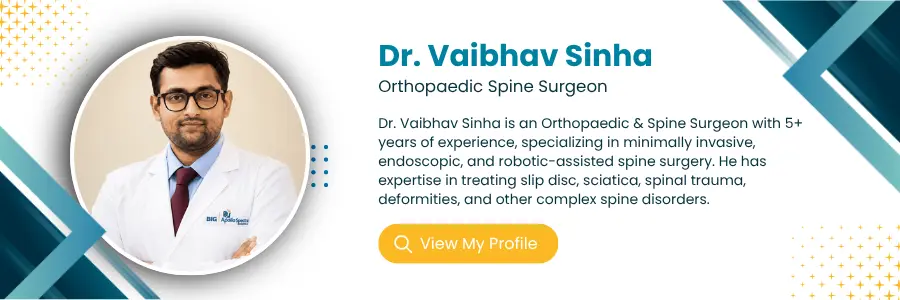
Either way, knowing the basics helps you ask questions at your first appointment. At Big Apollo Spectra Hospital, Dr. Vaibhav Sinha, Orthopaedic & Spine Surgeon, sees cases like this regularly and can help you figure out where you stand.
Big Apollo Spectra Hospital’s Spine Surgery Facilities
Led by – Dr. Vaibhav Sinha
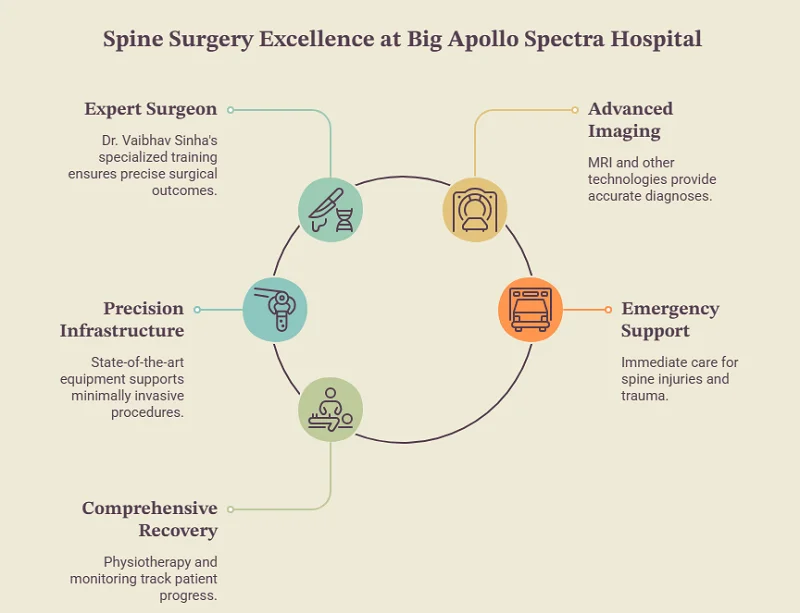
At Big Apollo Spectra Hospital, spine care runs through a dedicated program led by Dr. Vaibhav Sinha, an orthopaedic and spine surgeon trained in minimally invasive, robotic, and endoscopic techniques, with experience across degenerative spine disorders, trauma, and deformity correction.
That kind of focused training matters when you’re trusting someone with your spine specifically, not just your bones in general.
But surgery is only one piece of it. What actually makes a spine surgery hospital in Patna worth choosing comes down to everything built around the procedure itself:
- Proper diagnostic imaging, including MRI, to get the diagnosis right before anything else happens
- Surgical infrastructure suited for precision, minimally invasive work
- Emergency support for spine injuries and trauma cases
- Physiotherapy and postoperative monitoring that actually tracks your recovery, not just checks a box
The best spine Hospital in Patna is really one where every part of that chain holds up, from the first scan to the last follow-up visit, not just the day you’re on the operating table. That’s the kind of continuity Big Apollo Spectra’s (Orthopaedic Hospital in Patna) service line is built around.
Spine Surgery in Patna: When is It Needed?
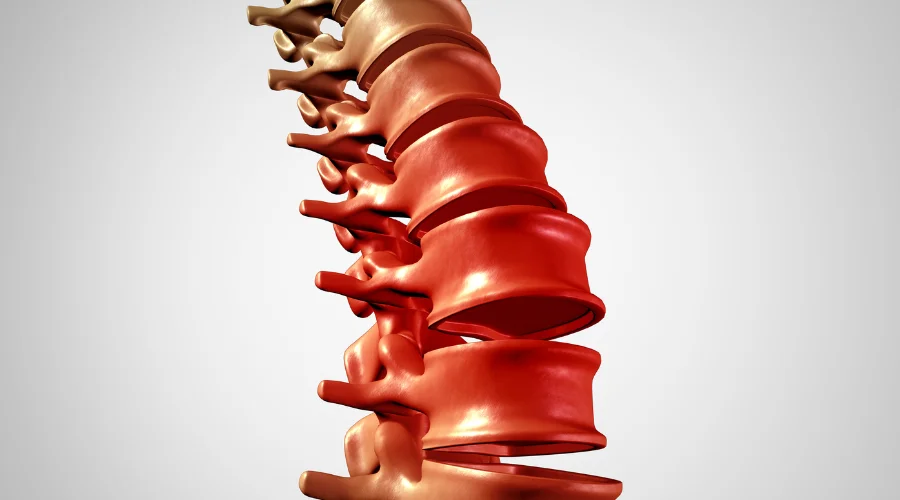
Researching spine treatment in Patna? You’ve probably run into conflicting opinions already about whether surgery is even necessary. Truth is, it depends on what’s actually happening in your spine. Not how much pain you’re in.
So, when does surgery actually come up? Here’s how to know:
- Pain that hasn’t budged after weeks of conservative treatment is one trigger.
- real compression of a spinal nerve.
- or muscle weakness that keeps worsening rather than settling down.
- Numbness.
- Trouble walking or getting through your day.
- A spine that’s become unstable.
- A spinal canal that’s narrowed significantly.
- Certain herniated discs.
- An injury or deformity that needs correcting.
Any one of these can put surgery on the table.
Here’s what trips people up, though: back pain by itself, even bad back pain, doesn’t mean surgery is next.
A spine specialist doctor in Patna looks at what’s actually causing it and how you responded to earlier treatment first. Depending on what they find, your doctor might suggest a spinal disorder treatment approach, whether that’s conservative, surgical, or a mix built around your case specifically.
Get this evaluation right the first time and you skip procedures you never needed. You also skip months on treatments that were never going to work anyway.
What are the Different Spine Surgery Procedures at Big Apollo Spectra?
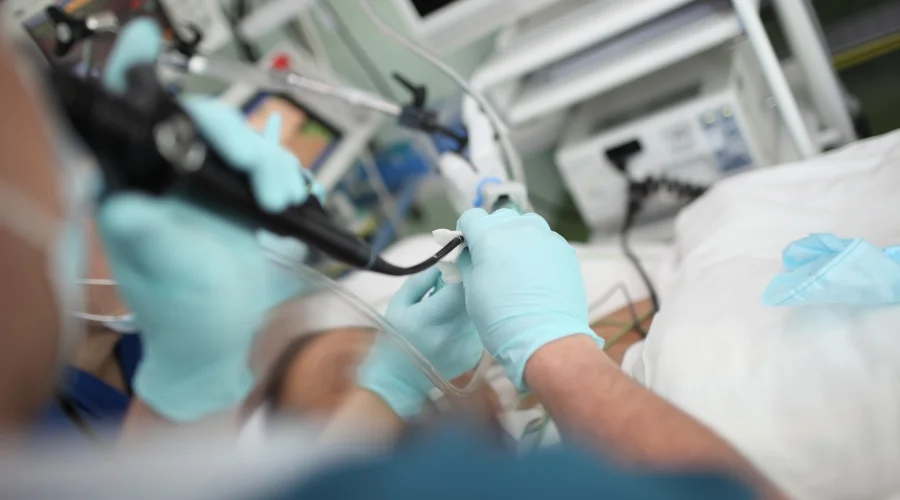
Once surgery is genuinely on the table, most patients want to know what it involves. And spine surgery today looks nothing like it did a decade ago.
1. Endoscopic Spine Surgery
The procedure uses a small camera and specialized instruments through tiny incisions. It’s become one of the more advanced options for selected spinal conditions.
Interest in endoscopic spine surgery has grown as more patients look for endoscopic spine surgery in Patna that limits tissue disruption without cutting corners on results.
2. Discectomy
Removes the specific portion of the disc pressing on a nerve. The procedure is fairly common for herniated discs.
3. Laminectomy
Takes out part of the vertebral bone, the lamina, to open space and relieve pressure on the spinal cord or nerves. Used often for spinal stenosis specifically.
4. Spinal Fusion
Joins two or more vertebrae to stabilize the spine when segments have become unstable from degeneration, injury, or deformity.
5. Minimally Invasive Spine Surgery
It is a broader category of techniques using smaller incisions and specialized tools to limit tissue disruption in suitable patients. Usually that means less blood loss and a shorter hospital stay than open surgery.
👉 Find the Best Treatment Option for You >> Consult Dr. Vaibhav Sinha
Which Spine Conditions May Require Surgery?
Not every spinal diagnosis carries the same surgical risk. Some conditions almost never end in an operating room. Others do, especially when left untreated.
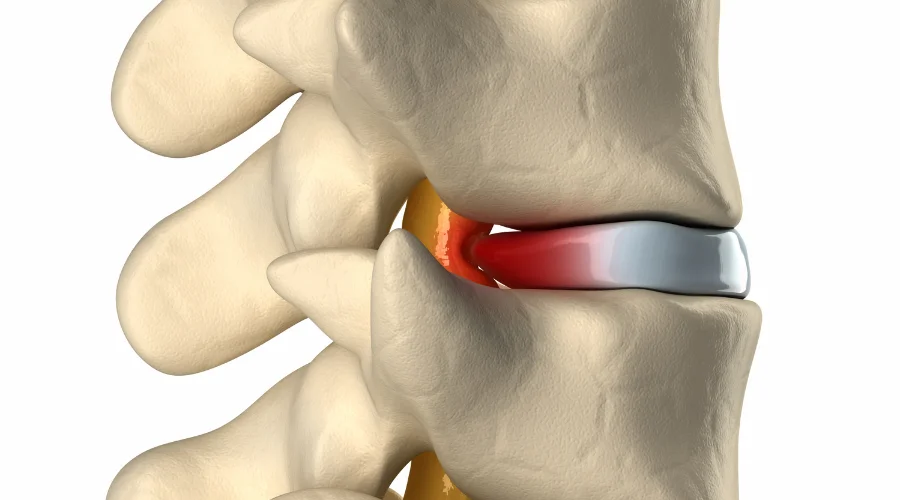
1. Slipped or Herniated Disc
In these cases, the soft material inside a disc pushes through a tear in its tougher outer layer and starts pressing on nearby nerves. Most people do fine with conservative care alone.
Research backs this up: a large share of disc herniations improve substantially within a few months through rest, physiotherapy, and medication, nothing more dramatic required.
Slip disc treatment escalates to slipped disc surgery in specific situations. These cases include symptoms that haven’t improved after several weeks of consistent care or when nerve compression is bad enough to cause weakness that’s worsening instead of settling.
Most people with a disc herniation never actually need surgery, so this decision isn’t made lightly. A spine specialist watches for specific things first.
Leg weakness that’s worsened rather than staying put, numbness that keeps spreading, pain that won’t respond to anything reasonable. Surgery doesn’t enter the conversation until those show up.
2. Sciatica Caused by Spinal Nerve Compression
Pain shoots from the lower back down through the leg, and it’s one of the most common reasons people go looking for spinal care to begin with.
A lot of adults deal with an episode of sciatica at some point in life. Only a small fraction of them ever need surgery for it, though.
Surgery comes up in selected cases where the underlying spinal problem is causing symptoms that won’t quit despite a fair trial of sciatica treatment through medication, physiotherapy, or targeted injections.
Sciatica usually traces back to a disc problem or spinal stenosis rather than an isolated nerve issue. So, treating it properly means treating whatever’s compressing the nerve, not just chasing the leg pain.
A doctor will want to know how long your pain has lasted, whether it’s improving or worsening, and whether numbness or weakness has shown up before going anywhere past conservative care.
3. Cervical Spine Disorders
Cervical spondylosis and nerve-root compression show up in the neck instead of the lower back, but the same logic applies.
Degenerative changes in the cervical spine get extremely common with age. In fact, most people past 60 will show some evidence of it on a scan, even with zero symptoms.
Persistent arm pain or weakness tied to cervical spine conditions can eventually call for surgery, but only after non-surgical options get a real shot and genuinely fail.
4. Spinal Stenosis
This is a narrowing around the spinal canal, and surgical decompression sometimes becomes necessary once it starts limiting basic things like walking a short distance.
Among older adults, it’s actually one of the more common reasons spine surgery gets recommended at all, mostly because the narrowing is structural and doesn’t reverse on its own.
Spinal stenosis surgery usually only comes up once physiotherapy, activity changes, and pain management have had real time to work.
Each condition plays out on its own timeline, with its own warning signs. Two people can walk in with the same diagnosis and leave with completely different treatment plans. That’s why an accurate diagnosis matters more than whatever label ends up on the chart.
>> Book an Appointment to Find the Best Conservative Treatments for Spine Issues

Is Spine Surgery Always Necessary?
No. It’s worth mentioning, because so many patients assume surgery is inevitable the moment they hear a spinal diagnosis, and that’s just not how it usually goes.
Medication helps. Physiotherapy helps. Targeted exercise, activity changes, other conservative treatments too. Together they handle a large share of spinal problems without anyone touching a scalpel.
Sometimes simple monitoring is enough, when symptoms are mild and not progressing, with periodic check-ins just to be sure nothing’s quietly getting worse.
Surgery becomes a real consideration once symptoms stick around despite all that, or neurological problems show up, or the structural issue is severe enough on its own. Until then, non-surgical care is the reasonable starting point.
Also, not everyone who hears “surgery” needs it right away. A non-surgical treatment for a slipped disc works for most patients which raises a fair question.
How Is the Need for Spine Surgery Determined at Big Apollo Spectra?
This isn’t one test, or one number on a scan. It’s several factors weighed together by someone who actually knows spines.
The doctor will ask about your symptoms and how long they’ve lasted. They’ll run a neurological exam, discuss your medical history, and ask what you’ve already tried. The spine specialist will also look at X-rays, MRI, or other imaging.
Nerve compression severity, how much your day-to-day function is limited, your general health, all of it gets factored in.
Here’s something worth knowing: imaging findings need to be read alongside your actual symptoms and a hands-on exam. An MRI showing disc degeneration or a mild bulge doesn’t automatically mean surgery. Plenty of people walk around with scans that look rough and feel completely fine.
Thus, conservative treatment is usually the first line of treatment whenever the patient walks in with symptoms.
Consulting a Spine Surgeon in Patna at Big Apollo Spectra
Once surgery is genuinely the right path, who performs it matters just as much as the procedure. A few things separate a good outcome from a rough one.
- Real specialist training in spine surgery, not just general orthopedics.
- Hands-on experience in the exact procedure you need.
- Expertise in minimally invasive and endoscopic techniques where those apply.
- The ability to handle a range of spinal conditions rather than one narrow area of expertise.
- Proper diagnostic and surgical facilities and a clear plan for what happens after surgery during postoperative follow-up.
Dr. Vaibhav Sinha is the best spine surgeon in Patna at Big Apollo Spectra Hospital. He’s trained in minimally invasive, robotic, and endoscopic spine surgery.
Anyone searching for a top spine surgeon in Patna will find his background spans degenerative spine disorders, trauma, and deformity correction.

What Happens After Spine Surgery? Recovery Explained
Recovery timelines vary a lot from patient to patient. Anyone promising a fixed number of days for every case isn’t giving you the real picture.
Spine surgery recovery depends on several things at once:
- the type of surgery,
- how extensive the procedure was,
- your overall health going in,
- the condition being treated,
- whether neurological symptoms were present, and
- your individual rehab needs.
Minimally invasive endoscopic procedures generally allow faster recovery and early mobility than open surgery. “Faster” still means gradual, though. Not overnight.
Early mobility under supervision, proper pain management, wound care, physiotherapy suited to the procedure you had done, a gradual return to regular activity – that’s roughly the shape of most recovery plans, with follow-up appointments tracking progress and catching problems early before they have the chance to worsen.
When Should You See a Spine Specialist?
Some symptoms are worth acting on instead of waiting out. Delaying care can narrow your options later.
See a spine specialist in Patna for persistent back or neck pain, pain radiating into an arm or leg, numbness, tingling, muscle weakness, or trouble walking.
Symptoms that won’t improve with conservative care, or that keep coming back after treatment, deserve a proper look too.
Two things need urgent attention, no waiting around: new loss of bladder or bowel control, or weakness that’s worsening fast. Get assessed right away if either shows up.
👉 Consult Dr. Vaibhav Sinha – Orthopaedic & Spine Surgeon
FAQs
Following are a few questions that are worth your attention if you’ve been suggested to have surgery for spinal issues or if you’ve been under conservative treatment.
1. When is spine surgery necessary?
When conservative treatment hasn’t worked after several weeks, or there’s significant nerve compression, progressive weakness, or spinal instability getting in the way of daily life.
2. Who is the best doctor for spine surgery in Patna?
Dr. Vaibhav Sinha at Big Apollo Spectra Hospital. He’s trained in endoscopic, minimally invasive, and robotic spine procedures across a range of spinal conditions.
3. How much does spine surgery cost in Patna?
Depends on the procedure, how complex it is, and your hospital stay. Book a consultation for a real estimate based on your diagnosis.
4. Is spinal surgery high risk?
Not particularly, especially with minimally invasive and endoscopic techniques. But risk always comes down to the specific procedure and your current overall health status.
5. Why avoid spine surgery?
Nobody’s saying avoid it outright. It’s just reserved for cases where conservative treatment genuinely hasn’t worked, since most spinal conditions respond fine to non-surgical care first.
6. Can you live a normal life after spinal surgery?
Yes, most people do, once rehabilitation is done properly. Timeline depends on the procedure and how closely you stick to recovery guidance.
7. Is spine surgery safe?
Generally, yes, when a trained surgeon at a well-equipped facility is doing it. Modern techniques have pushed complication rates down further too.
8. What is the recovery time after spine surgery?
It varies by procedure. Minimally invasive surgeries usually mean faster early mobility. Fusion and more extensive work takes longer to heal.
9. Is endoscopic spine surgery better than traditional surgery?
For the right candidates, usually yes: smaller incisions, less tissue disruption, quicker recovery. Not every condition qualifies for endoscopic spine surgery, though.
10. Can a slipped disc heal without surgery?
Most of the time, yes. Physiotherapy, medication, and activity changes handle it well. Surgery stays reserved for cases that don’t respond to the first line of treatment or involve real nerve compression.
Consult a Spine Specialist to Assess Your Surgical Needs
Not every spine condition needs surgery. That bears repeating, because a proper diagnosis, not the label attached to your symptoms or how long you’ve been putting up with the pain, is what actually determines the right treatment path.
Surgery becomes worth considering only once conservative approaches genuinely fail, or when neurological or structural problems exist that aren’t going to resolve on their own. And who’s involved in making that decision matters just as much as the decision itself.
An experienced spine surgeon in Patna, backed by a well-equipped orthopedic hospital in Patna with proper imaging, surgical infrastructure, and structured rehabilitation, can genuinely change how smoothly treatment and recovery go.
The surgery is only one part of a longer process. Accurate diagnosis, informed decision-making, and consistent follow-up count for just as much, arguably more.
So, if your back or neck symptoms have been getting in the way of daily life, don’t wait for things to get worse. Book Appointment at Big Apollo Spectra Hospital for an individualized spine assessment, and a clearer sense of what your actual options are.