Lower back pain has been reported by over 80% of people at some point in their lives, but every backache doesn’t qualify as a slip disc. Many times the term “slip disc” is misused; it is used to describe any persistent lower back pain.
The reality is that slip disc treatment will only be necessary if there is actual displacement or damage to the disc which sits between your spinal bones.
This post provides you information on what causes a slip disc, slip disc symptoms, and also a full range of options available today for treatments so you can make informed decisions about your spine health.
What is a Slip Disc?
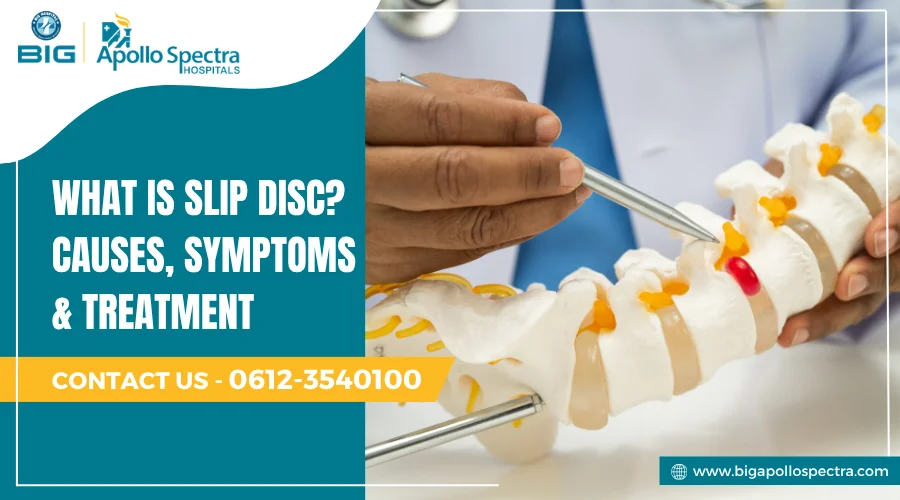
Between each pair of vertebrae in your spine sit cushions called intervertebral disc. These discs absorb shock and allow your spine to move freely.
A slip disc occurs when the soft inner gel of this disc pushes out through a crack in its tougher outer layer. This can irritate or compress the nerves which then result in pain, numbness or weakness in the legs or arms, or even back.
Commonly Confused Terms: Slip Disc and Herniated Disc – Are They Same?
Yes. ‘Slip disc’ is an everyday term that refers to the same functional problem that doctors call herniated or prolapsed disc. The disc does not literally ‘slip out of place’, rather, it ruptures or bulges.
Bulging vs herniated disc:
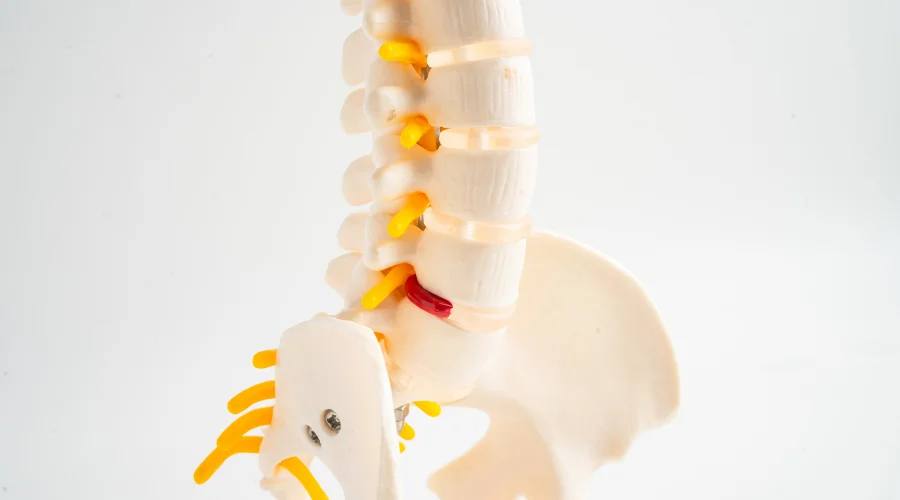
The difference between a bulging and a herniated disc is that a bulging disc extends outward but remains intact like a burger patty pressing against its bun.
However, a herniated disc indicates that the inner material has broken through the outer wall of the disc, which is generally worse than a bulged disc and more likely to compress nerves.
The difference in symptoms is subtle. That’s why it’s important to seek timely care. If you are unsure whether your back pain points to a disc problem, seek consultation with a trained orthopedic doctor in Patna, Dr. Anand Bhushan (Ortho Specialist and Surgeon). Early diagnosis before the condition worsens will help you get better care.
Understanding what a slip disc actually is helps you avoid panic and seek the right care at the right time.
Causes of Slip Disc
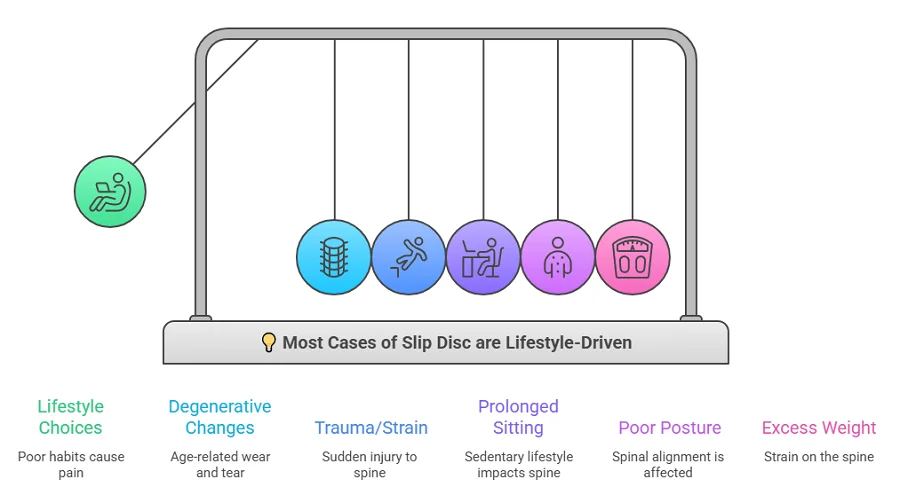
Slip disc causes may be several, and the condition is usually the cumulative effect of several contributing factors over many years. The following are some of the most common slip disc causes:
1. Degenerative Changes with Age
Spinal discs lose their natural water content as we age. In particular, spinal discs typically begin to lose their flexibility and tear more easily during our 30s and 40s.
When a spinal disc becomes weaker due to age related degeneration, even normally occurring events such as sneezing or bending can lead to a herniated spinal disc.
2. Trauma or Sudden Strain/Injury
A variety of mechanisms can cause a person to experience a traumatic event which results in an acute herniated spinal disc.
For example, when lifting incorrectly and/or beyond a person’s strength, experiencing falls, or twisting of the spine and other similar accidents can result in an immediate herniated spinal disc.
These types of incidents are very common in young individuals who engage in sports or have been involved in motor vehicle collisions.
3. Prolonged Sitting/Sedentary Lifestyle
When individuals sit for extended periods of time, often without proper back support, they place increased pressure on their lower spinal discs.
In fact, sitting for long periods has been shown to increase the amount of intradiscal pressure placed on spinal discs by up to 30% when compared to upright standing (Journal of Sports Medicine and Rehabilitation).
Prolonged sitting and sedentary lifestyles are also associated with decreased muscle mass and weakening of the muscles that provides additional support to the spine.
4. Poor Posture
Individuals working in office settings and using computer monitors at improper heights will constantly apply uneven amounts of stress to the lumbar segments of their spine.
This consistent strain on these areas can eventually contribute significantly to the eventual tearing/damage of these spinal discs over time.
5. Excess Weight
Each additional pound added to your body places an additional load on your spine. Obesity was found to be associated with an increased risk of developing intervertebral disc herniation, according to findings from the European Spine Journal.
💡 Most modern cases are lifestyle-driven – poor posture, sedentary habits, and excess weight are the leading causes of chronic back pain in young people today.
Understanding the causes is the first step toward prevention. But knowing what to watch for in terms of symptoms is equally important, especially when the pain starts interfering with daily life.
What are the Signs and Symptoms of Slip Disc?
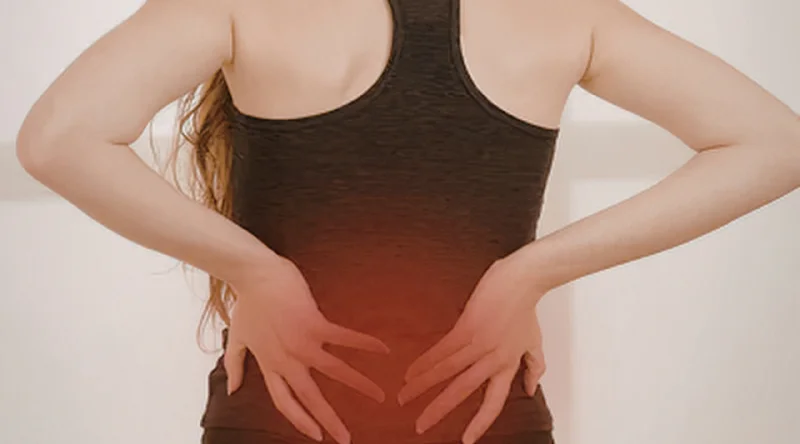
Slip disc symptoms depend upon the location and severity of the injury, as well as the degree of pressure placed on the nearby nerves. In general, they can be categorized as mild or nerve-related, or emergency signs that indicate you need immediate care.
Mild Symptoms of Slip Disc
1. Lower back pain
Local, dull lower back pain that will generally become worse with sitting, bending, or standing for longer periods than usual. Lower back pain will generally stay localized around the lower back area.
2. Stiffness
Reduced mobility of the lower back; this stiffness is common in the morning or after resting for an extended period. Bending downward or straightening-up can be uncomfortable due to reduced mobility.
Nerve-Related Symptoms
When the herniated disc presses on a spinal nerve, symptoms extend beyond the back:
1. Pain radiating to the leg (Sciatica)
A sharp, electrical or burning sensation which runs from the lower back through the buttocks and down one leg. This is known as sciatica pain and is among the most easily recognized symptoms of a disc putting pressure on the sciatic nerve.
2. Numbness/tingling
Compression of the nerve can cause numbness/tingling sensations in the leg, foot, or toes. These sensations can be intermittent or persistent.
3. Muscle Weakness
Weakness of the leg or foot that prevents normal gait patterns such as walking, ascending/descending stairs, or elevating your foot. This is because nerve impulses sent to muscles are interrupted.
Emergency Signs (Very Rare But Extremely Important Symptoms)
These symptoms require immediate medical attention:
1. The sudden inability to control urination and/or bowels
Sudden loss of ability to urinate or have bowel movements, is indicative of Cauda Equina Syndrome – an extremely dangerous condition where multiple spinal nerve roots are compressed at the same time. This is a very rare symptom, but it requires urgent action.
2. Gradual but progressive weakness
Weakness in both legs that gradually gets worse over a short period of time along with lower back pain is also a neurologic “red flag” requiring immediate evaluation.
Do not delay if you observe an emergency sign. Search for a “bone hospital near me” as soon as possible and get to the closest hospital. At BIG Apollo Spectra Hospital, Patna, there are orthopedic specialists available 24 hours/7 days a week to provide emergency care.
Identifying whether your symptoms fit into one of these categories will help you and your doctor determine when to take immediate action and what type of treatment to initiate.
Slip Disc vs. Sciatica Pain – How to Differentiate
Many people confuse slip disc and sciatica, but they are not the same thing. Understanding the difference helps you describe your condition accurately to your doctor:
Nature
Slip Disc: Structural problem (disc damage)
Sciatica: Symptom (nerve pain)
Root Cause
Slip Disc: Disc rupture or bulge
Sciatica: Irritation of the sciatic nerve
Relationship
Slip Disc: May cause sciatica as a secondary effect
Sciatica: Always nerve-related; can have other causes too
Pain Location
Slip Disc: Lower back, may extend to legs
Sciatica: Buttock, back of thigh, calf, foot
In clinical practice, a disc herniation is one of the most common sciatica pain causes, but getting a proper diagnosis tells you exactly what you are dealing with and what treatment you actually need.
How is Slip Disc Diagnosed?
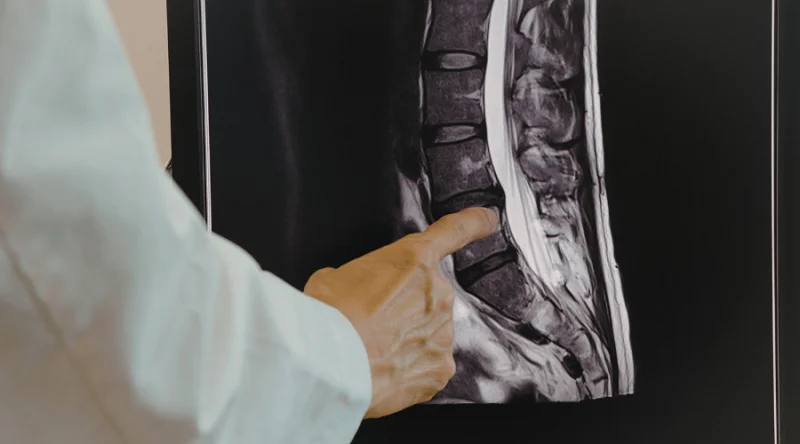
Slipped discs are difficult to diagnose in some cases as they share many of the same symptoms as other disorders.
In order for a spine specialist to properly evaluate a patient’s condition, there needs to be a step-by-step approach. Not all patients need imaging performed at the onset of their symptoms.
1. Physical Exam
A physical exam will include a determination of your reflexes, muscle strength, sensations, and a measurement of your range of motion.
One clinical method for determining if you have a lumbar disc herniation is called the “straight-leg raise” test. This is done by lying down flat and then the doctor lifts your leg. A positive result suggests nerve compression.
2. MRI (the Gold Standard)
The Magnetic Resonance Imaging (MRI) is used primarily as the best diagnostic tool available to provide clear images of the disc herniations, nerve compression, and narrowed spinal canals.
It uses no radiation and provides excellent detail through soft tissue contrast that’s not available with x-ray images.
When do tests actually become necessary?
The majority of doctors suggest that imaging should only occur after persistent symptoms exist for more than four-six weeks, or when neurological deficits develop (numbness/weakness) or prior to deciding on a surgical intervention. Early use of an MRI may cause undue stress and could possibly contribute to over treating the patient.
After a diagnosis has been made, our expert ortho specialist, Dr. Anand Bhushan, will consider what course of action is best suited to treat your specific degree of symptomatic impairment, also depending on your age and lifestyle.
What are the Best Treatment Options for Slip Disc?
Based on the level of severity, you will be treated by a variety of options. Fortunately, most individuals do not require surgical intervention. Treatment will follow a three tier system based on the severity of your condition.
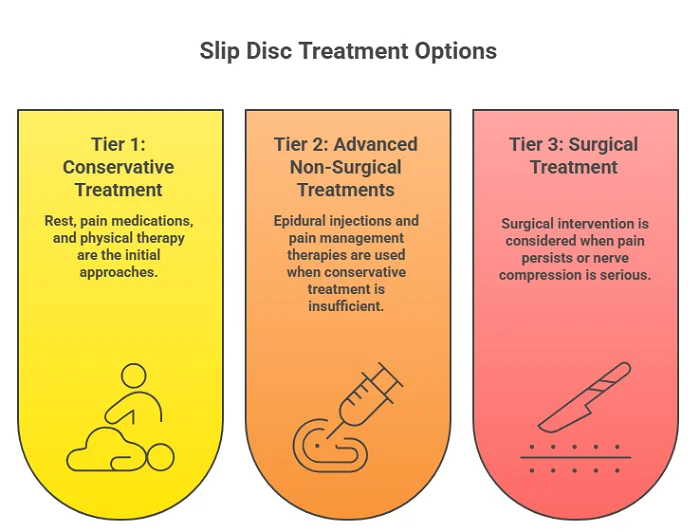
Tier 1: Conservative Treatment (Initial Treatment Approach)
The majority of patients are initially treated using conservative methods. The focus of conservative treatment is to reduce the inflammation, alleviate the pain, and stabilize the disc.
1. Rest (Acute Phase Only – Less Than 2 days)
Generally one to two days of resting can provide relief from acute pain. However, remaining at home in your bed for longer than 48 hours hinders healing.
Movement is necessary to help the spine heal and extended periods of inactivity weaken the muscles that support your spine.
2. Pain Medications
Pain management for slipped discs generally include NSAIDs such as ibuprofen, diclofenac, which help to control both inflammation and pain.
Muscle relaxers may also be used to manage spasm. In addition, nerve pain medication such as pregabalin, may be prescribed if your pain is radiating down into your legs.
3. Physical Therapy
Exercises designed specifically for treating lower back pain through physical therapy, help to strengthen the core muscles, improve posture and decrease the pressure placed on the affected disc.
Many individuals have been able to begin their supervised physical therapy program within the first couple of weeks after being diagnosed with a slip disc.
💡 Research has shown that majority of slip disc conditions resolve without surgical intervention, provided conservative treatment is consistently and carefully followed.
Tier 2: Advanced Non-Surgical Treatments
When patients do not experience sufficient results from conservative measures within 4-6 weeks of treatment, this category offers targeted intervention, which does not require an operation.
1. Epidural Injections
Corticosteroid injections may be used to target the area where the spinal nerves are located. The effects of corticosteroids administered in this manner will generally last for weeks or even months allowing the patient enough time to finish their rehabilitation through physical therapy.
2. Pain Management Therapies
Radiofrequency ablation, TENS (transcutaneous electrical nerve stimulation) and ultrasound-guided nerve blocks can all effectively treat disc problems in the back using direct access to the pain pathway.
More and more advanced orthopedic centers have begun providing many of these treatments.
Tier 3: Surgical Treatment (When Needed)
The decision to go with surgery will be based upon all previous attempts at conservative and non-surgical treatments failing to show results; or if there is a significant risk to your neurologic status.
Here, surgery isn’t something to “fear” as the last option but rather view it as a viable solution.
1. When Pain Persists Beyond 6–8 Weeks
If after trying conservative and non-surgical options for 6-8 Weeks, you do not experience a noticeable reduction in pain symptoms, then you should consider having a microdiscectomy performed which is an outpatient/minimally invasive procedure that usually has a recovery period of 4-6 Weeks. It is a practical herniated disc treatment when conservative options fail.
2. Serious Nerve Compression
Muscle weakness progressing, inability to maintain continence of bladder/bowel function or severe nerve compression visible on MRI indicate clear indication for surgery. Delaying this type of situation can result in irreversible nerve damage.
At BIG Apollo Spectra Hospital, Patna, the best hospital in Patna for musculoskeletal care, Dr. Anand Bhushan offers endoscopic spine surgery as well as other minimally invasive spinal procedures using advanced techniques to minimize blood loss, hospital stay, and recovery time compared to open surgical techniques.
BIG Apollo Spectra Hospital has state-of-the-art imaging facilities, dedicated physiotherapy unit & modern operating theatre for spine procedures.
➤ Ready for a Consultation? Book an Appointment with Dr. Anand Bhushan at BIG Apollo Spectra Hospital, Patna – Call 0612-3540100

Remember that knowing which treatment tier is right for you requires a proper diagnosis and an experienced specialist. The earlier you seek care, the more options remain available to you.
When to See a Doctor?
Many types of back pain don’t need immediate medical attention, however, there are some signs which require a specialist in spine care to be consulted immediately. If you delay too long then nerve damage may become permanent. Plus, many cases of slip discs can be prevented from requiring surgery if diagnosed early.
See a doctor if you experience any of the following:
- Pain lasting more than 1-2 weeks that does not improve with rest
- Radiating leg pain that travels below the knee
- Numbness or tingling in the leg, foot, or toes
- Muscle weakness that makes walking or standing difficult
- Pain that worsens at night or wakes you from sleep
- Back pain following a fall, accident, or heavy lifting
- Pain that does not respond to over-the-counter painkillers
- Loss of bladder or bowel control – seek emergency care immediately
💡 Early diagnosis may help prevent surgery. Many patients who see a specialist in the first few weeks have better outcomes than those who wait months.
Additionally, as the popular adage goes, prevention is always better than treatment, and there is a lot you can do in your daily routine to reduce the risk of developing or aggravating a slip disc.

Prevention Tips
The first step toward preventing your disc problems is developing good habits. Most of the steps listed below are based upon research and will greatly decrease your chance of developing a slipped disc and relieve back pain in the long term:
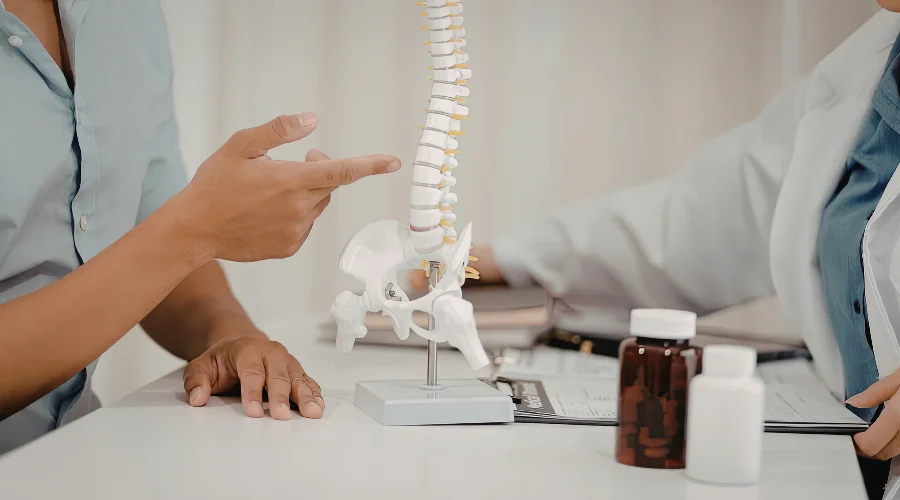
1. Improve Back Posture
Keep your lower back supported and the top of the computer monitor at eye level. Do not lean forward or slouch down. If you sit at a desk all day, using an ergonomically designed chair can reduce the pressure on your lumbar disc up to 30%.
2. Strengthen Your Core
Your abdominal muscles along with your back muscle support your spine, acting as a built-in brace. The bird-dog, bridge, and cat-cow stretch exercises help stabilise the vertebrae thereby reducing disc strain without placing additional stress on your spine.
3. Break Prolonged Sitting
When working at a desk, try to stand or stretch for at least 5 minutes during each 45-60 minute block. Research in the Physical Medicine & Rehabilitation Journal has shown that taking breaks from prolonged sitting reduces the risk of lumbar disc changes significantly.
4. Reduce Body Weight
Having a normal body weight decreases the compressive force on your spinal discs. Studies indicate that losing even 5-10% of body weight can result in lessening of back pain in people who are overweight.
5. Proper Lifting Techniques
Bend at the knee when lifting large items instead of bending at the waist. Place the item close to your body and do not twist your spine while holding it. Many acute disc injuries could be prevented with this simple practice.
6. Regular Physical Activity
Swimming, yoga, walking are examples of low impact physical activity that promote fluid movement through your spinal discs keeping them healthy. Physical activity is one of the easiest ways to relieve back pain and prevent disc deterioration.
Lifestyle management is a big part of protecting your spine. With regular medical visits, these habits can increase the amount of time spent pain free as well as extend your range of motion.
Frequently Asked Questions (FAQs)
Following are some of the most commonly asked questions from our patients about the problems of slip disc condition. Go through each for more clarity.
1. Is a slip disc a serious problem?
The answer to this question varies depending on how bad the case is. For example, most people who have a slipped disc can manage their condition with conservative treatment and do not end up disabled.
In contrast, if nerve compression becomes extreme and goes untreated for too long, then it could potentially cause permanent neurological impairment. An early consultation with a medical professional specializing in spinal care is highly suggested.
2. Can a slip disc fully recover?
Generally, yes. Many people have full relief from all of their symptoms after completing appropriate treatment, rest and physical therapy.
The herniated material is often gradually reabsorbed by the body over weeks to months as the body heals. Research has indicated that a considerable number of those suffering from a herniated disc will achieve relief from their symptoms through some form of structured treatment program.
3. Can slip disc heal without surgery?
For the most part, yes. Non-surgical and conservative treatments generally cure the vast majority of herniated discs.
Typically, surgical options are pursued only when symptoms continue to exist past eight weeks of initial treatment, or when there exists significant nerve compression leading to progressive weakness or other complications such as losing bladder or bowel control.
4. Is walking good for slip disc?
Yes, provided it’s done moderately. Gentle short walks on flat surfaces helps keep blood flowing, reduces stiffening and promotes healing.
During the acute phase, avoid brisk walking, uphill climbing or any type of uneven terrain. Once your symptoms begin to subside, your physical therapist will assist you in progressing your activities.
5. How long does recovery take?
In general, people who start with non-operative (conservative) management will experience an improvement in their condition 4-8 weeks from when they began.
However, total healing time,i.e., complete recovery, which includes returning to full activities will depend upon how severe the initial herniation was, compliance to recommended physiotherapy programs and changes in lifestyle.
Get Lasting Relief from Slip Disc
Slipped discs can be quite intimidating. But generally speaking, this is a manageable condition. The trick is to act quickly.
Whether you have slight lower back pain or shooting pain down one of your legs due to nerve compression, making sure you receive the correct diagnosis as soon as possible will provide you with a greater number of non-operative alternatives and give your spine the best opportunity to begin healing.
It is very encouraging to know that the majority of cases do well when treated appropriately by a healthcare provider using a specific, structured plan.
Treating a slipped disc is all about finding the perfect mix of rest, directed therapies, medications, and guided movement. A slip disc is only dangerous if left untreated. With appropriate care, most patients return to normal life without surgery.
✅ Book Your Appointment with Dr. Anand Bhushan – MBBS, MS Ortho | Specialist: Joint Replacement, Arthroscopy & Endoscopic Spine
BIG Apollo Spectra Hospital, Patna | Emergency Line: 0612-3540100