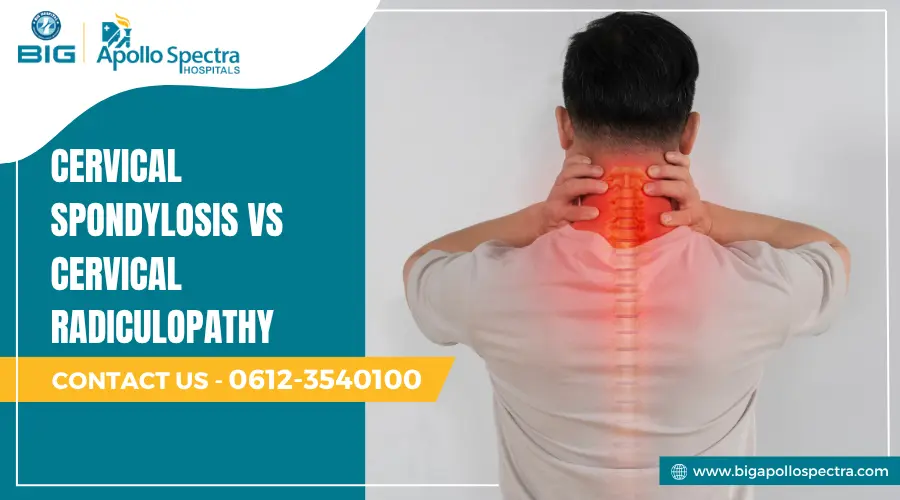
Neck pain that shoots into your shoulder or arm gets blamed on two things, usually: cervical spondylosis or cervical radiculopathy. People mix them up constantly – this makes sense, since both start in the same part of your neck.
They’re not the same cervical spine disorders, though. Spondylosis is the wear-and-tear itself, discs and joints breaking down over the years.
Radiculopathy is what happens next, when a nerve root ends up pinched because of that wear. The cause, the symptoms, how it’s treated, all of it differs.
If your neck pain hasn’t let up on its own, an orthopedic doctor in Patna can tell you which condition you’re actually dealing with.
Dr. Vaibhav Sinha, Orthopedic and Navigation-assisted Robotic Spine Surgeon at Big Apollo Spectra Hospital, sees both conditions regularly and can walk you through what your symptoms mean. If your neck or arm pain has stuck around for more than two weeks, book an appointment; no reason to keep guessing.
➤ Book an Appointment with Dr. Vaibhav Sinha (Ortho Specialist) for Correct Diagnosis
What is Cervical Spondylosis?
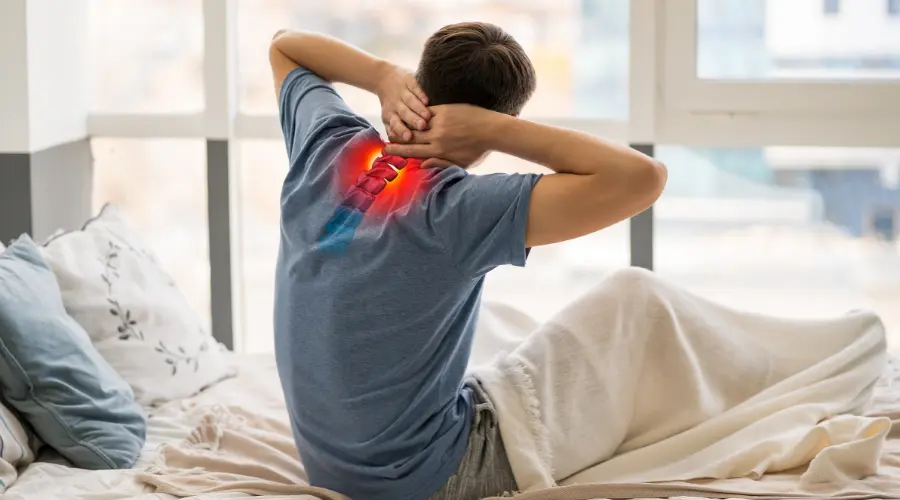
Cervical spondylosis occurs when, due to aging, the discs (the shock-absorbing cushions) and joints in your neck begin to deteriorate.
As a result of this deterioration, the disc loses its water content and therefore shrinks; the surrounding bones then grow “spur(s)” onto them.
Factors that commonly contribute to cervical spondylosis include:
- aging,
- an old neck injury,
- years spent working at a desk or spending long hours looking down at your phone,
- genetic predisposition to earlier degeneration in some individuals,
- jobs requiring frequent neck motion,
- smoking,
- carrying excess body weight, and
- having a family history of spinal problems.
Symptoms associated with most cases of cervical spondylosis are:
- morning stiffness
- a grinding sensation experienced while moving your neck
- chronic dull ache which increases in intensity with increased physical activity.
Plenty of people show clear degeneration on an X-ray or MRI and feel nothing at all – these two factors don’t always line up.
Age isn’t the whole story, though. Nowadays, chronic back pain in young people is also common. So, if you’re already dealing with chronic back pain in your twenties or thirties, similar degenerative changes can turn up in your neck sooner than you’d expect.
What Is Cervical Radiculopathy?
Cervical radiculopathy is caused by a nerve root exiting your cervical spine being compressed or inflamed. Spondylosis is generally a broader term – it refers to the degeneration of the joints and discs. Radiculopathy is more narrow; it refers to the compression of one nerve root.
Typically, cervical radiculopathy is due to an intervertebral disc herniation compressing directly against a nerve root, bone spurs narrowing the passage where the nerve roots run through or chronic spondylosis compressing a nerve root.
Cervical radiculopathy has a variety of symptoms but does not present with typical neck stiffness. Pain can be sharp, burning, radiating down one arm, numbness/tingling in the hand/fingers and weakness in specific muscle groups based upon which nerve was involved.
Many people describe this condition as having a “pinched nerve” in their neck. The key difference between general stiffness and cervical radiculopathy is that the pain will follow one distinct pathway rather than stay localized.
Cervical radiculopathy occurs because of narrowing in neural foramen (the openings where the nerve roots exit the spinal canal) as a result of disc degeneration/bone formation over time. With less room and less space available for the nerve root, the nerve begins to become impinged.
>> Book a Consultation with Big Apollo Spectra Specialists for Cervical Pain

Cervical Spondylosis vs Cervical Radiculopathy: Key Differences
Both conditions start in the same part of the body, but they don’t behave the same way, and they aren’t treated the same way either. The table below breaks down where they actually diverge.
| Aspect | Cervical Spondylosis | Cervical Radiculopathy |
| Cause | Age-related disc and joint degeneration | Nerve root compression from a herniated disc or bone spur |
| Affected structure | Discs, vertebral joints, and ligaments | A specific spinal nerve root |
| Symptoms | Neck stiffness and reduced range of motion | Arm pain, numbness, and localized weakness |
| Pain pattern | Stays around the neck and shoulders | Radiates down the arm in a specific pattern |
| Arm numbness | Uncommon unless a nerve is involved | Common and often the main complaint |
| Muscle weakness | Rare | Present in muscles supplied by the affected nerve |
| Diagnosis | Physical exam and X-ray | Physical exam, MRI, and nerve testing |
| Treatment | Physiotherapy and posture correction | Medications, physiotherapy, and sometimes surgery |
| Prognosis | Manageable long-term with lifestyle changes | Often improves fully with timely conservative care |
The major difference is the involvement of nerves. Cervical spondylosis is simply the degenerative process of the spine, whereas cervical radiculopathy is a side effect/medical complication that happens when the degeneration starts to press on a nerve root.
This means that you could have spondylosis and not even have radiculopathy for many years.
Shoulder injuries and carpal tunnel syndrome are the ones most likely to be confused with cervical radiculopathy, because the symptoms in the arms are very similar. So, a proper clinical check-up is more important than just symptoms alone.
Diagnosis and Treatment
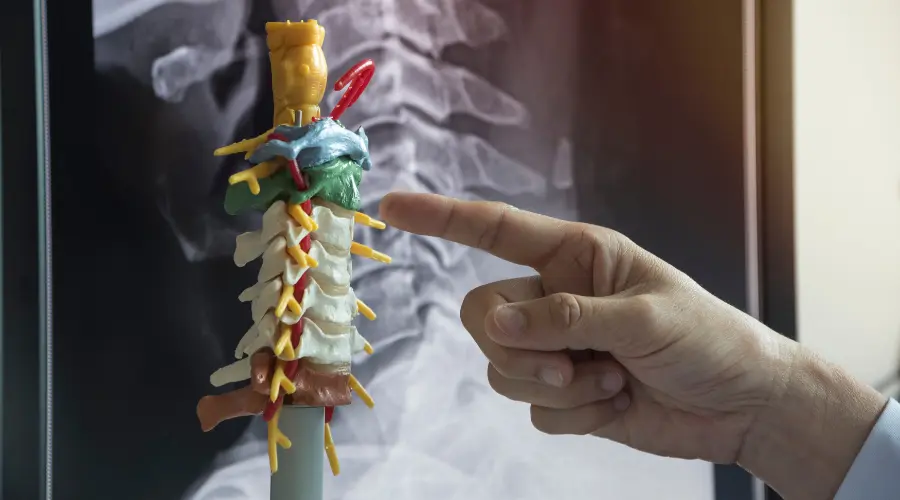
Diagnosis is very important because treatment largely depends on whether a nerve root is actually being pinched. Here is approximately how doctors figure it out, in 2 steps.
Diagnosis
Mostly, a physical exam is done first. Your doctor will see how far your neck can go, do some tests for reflexes and muscle strength, and may even press some spots to check if that brings the arm symptoms.
While X-rays can reveal bone spurs and narrow disc space, they don’t do a very good job of showing nerves. The MRI is more effective for confirming nerve compression or a herniated disc.
A neurological exam from our neurologist in Patna usually looks at reflexes and sensation and helps pinpoint the exact nerve root involved.
Treatment
Treatment for cervical radiculopathy and neck pain treatment due to spondylosis often begins similarly: conservatively. Besides, anti-inflammatory and muscle-relaxant medications also relieve pain and swelling in the early stages.
Physiotherapy does most of the real work. Supervised cervical radiculopathy exercises build up the strength in the neck muscles and take load off the affected nerve.
A supportive pillow (part of learning how to sleep with cervical radiculopathy) helps more than people expect, and knowing what not to do with cervical radiculopathy like sudden neck twisting, mainly goes a long way toward avoiding flare-ups.
Surgery only comes up if conservative treatment hasn’t worked after several weeks. If you’re searching a bone hospital near me in Patna, Big Apollo Spectra Hospital offers endoscopic spine surgery, which is a minimally invasive surgery, with a quicker recovery than open surgery.
Dr. Vaibhav Sinha, a trained spine surgeon, evaluates patients at the hospital for both surgical and non-surgical routes. Consult Dr. Vaibhav Sinha to find out which one fits your case.
>> Book Your Appointment Online
BIG Apollo Spectra Hospital | Emergency: 0612-3540100 | 0612-7131415
Can Cervical Spondylosis Lead to Cervical Radiculopathy?
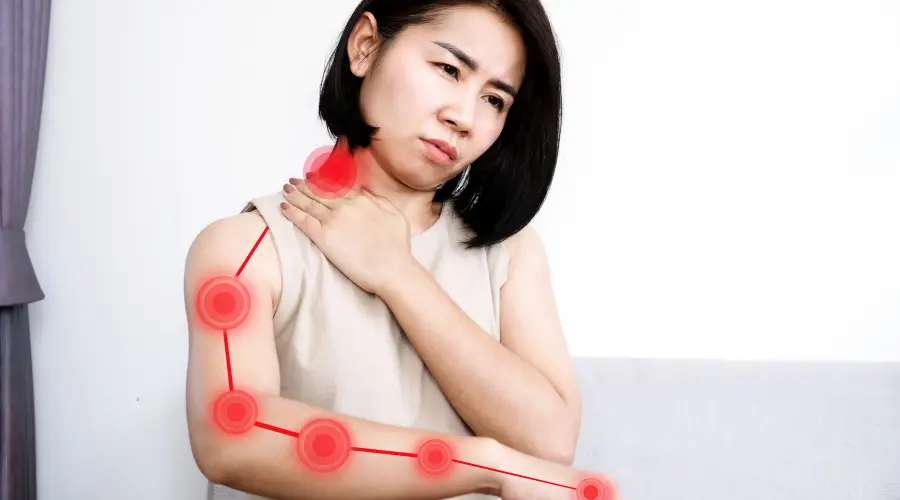
Yes, cervical spondylosis can lead to cervical radiculopathy, though not for everyone who has it. As the degenerative changes progress, the spaces where nerve roots leave your spine slowly close in.
Bone spurs from spondylosis, or a disc that keeps bulging further, can eventually press straight on a nerve root. Stiffness turns into something sharper: radiating pain down the arm.
Plenty of people never get there, though.
Mild degenerative changes show up on imaging all the time in people who’ve never felt a single nerve symptom in their life.
Age plays a role, and so does how much room is left around the nerve root. Knowing what makes cervical radiculopathy worse such as hours of looking down at a screen, heavy lifting can help you slow the whole thing down.
When Should You See a Spine Specialist?
Get checked if your neck pain hasn’t eased up in a few weeks, or if it comes with arm pain, numbness, or tingling that won’t quit.
Persistent neck pain along with muscle weakness, or trouble with everyday things like buttoning a shirt or gripping objects, usually means the nerve involvement is getting worse.
Loss of bladder or bowel control alongside neck symptoms is an emergency. Don’t wait it out and instead get care immediately.
For anything less urgent but still lingering, an orthopedic spine surgeon in Patna can tell you whether you’re dealing with spondylosis, radiculopathy, or both, and point you toward the right treatment before it gets worse.

FAQs
Following are some of the most commonly asked questions people have about these two spinal issues and what they can do to manage them.
1. Is cervical radiculopathy more serious than cervical spondylosis?
While spondylosis refers to degenerative changes in the spine that can often be managed with lifestyle changes and monitoring, radiculopathy usually points to nerve compression and may require urgent intervention.
2. Can cervical spondylosis cause tingling in the arms?
Yes, absolutely, the moment degenerative changes in the cervical spine cause pressure on a nerve root, tingling sensation might be one of the first symptoms that appear, sometimes even before the full development of radiculopathy.
3. Does cervical radiculopathy always require surgery?
Not at all, a majority of patients get better with the help of drugs and physical therapy. The surgical option is considered only if the conservative treatment fails after a reasonable duration of time.
4. Can physiotherapy help both conditions?
Indeed, exercises with a specific focus and postural modifications have proved their effectiveness for both conditions in reducing the pressure on the spinal column and alleviating nerve irritation.
5. Is cervical radiculopathy the same as cervical spondylosis?
No, spondylosis is basically a slowly progressing degenerative changes of the spine, radiculopathy on the other hand describes a situation where a nerve root is physically compressed.
6. What are the first signs of cervical radiculopathy?
Generally, neck pain spreading down the arm and tingling or slight weakness in the hand and fingers constitute the initial symptoms.
Get Rid of Pain and Numbness Today with Specialized Spinal Care in Patna
Although both cervical spondylosis and cervical radiculopathy originate in the neck, they are two different conditions.
With spondylosis the changes in the neck are usually the wear-and-tear type ones; radiculopathy is essentially a complication when the changes cause compression to a nerve root.
Making the diagnosis correctly is important; a treatment that works for one might not work for the other.
If neck pain, arm pain spreading down from the neck, or numbness have been bothering you for a while, you shouldn’t just tolerate these symptoms.
Dr. Vaibhav Sinha, an orthopedic and spine surgeon at Big Apollo Spectra Hospital, which is acclaimed as the best orthopedic hospital in Patna, is able to identify the exact cause of your problems. Book an appointment with Dr. Vaibhav Sinha by scheduling a visit today.