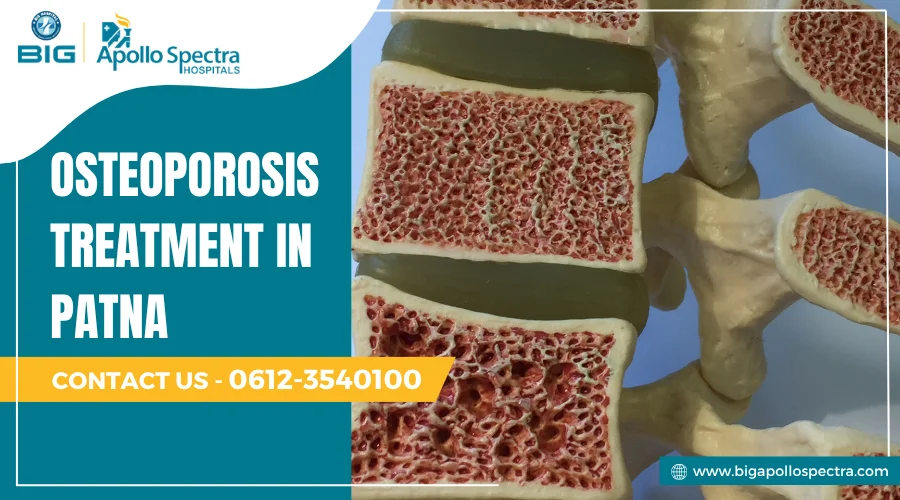
Osteoporosis causes porous bones. Your bones weaken from inside and the tiny spaces inside the bone become larger due to declining bone density.
Bones become like a sponge, extremely brittle and prone to fracture. The major concern is that many times there are no obvious osteoporosis symptoms until some bone gets fractured, perhaps from minor incidents such as a fall.
Nevertheless, a single fracture can be the most severe consequence of osteoporosis and often marks the onset of a series of further fractures. But there’s an upside to all these negative changes, though.
Osteoporosis, when properly diagnosed, can actually help slow down bone loss and can be managed to a certain extent through proper osteoporosis treatment. Bone loss slowing, strength restoration, and decreased risk of future fractures are all possible therapeutic achievements.
At Big Apollo Spectra Hospital, Dr. Amit Kumar Sinha, an experienced orthopedic doctor in Patna, works alongside rheumatology and endocrinology specialists for complete bone care. Here’s what your treatment journey could involve.
Osteoporosis Treatment in Patna: What Does Treatment Involve?
Osteoporosis is not treated by just one medicine or one procedure. The treatment of osteoporosis is a blend of your habits on a daily basis, nutrition through food intake, and medicines that may be needed based on the diagnosis.
The doctor will tailor this combination treatment to your bone mass, age, and also your past history of fractures.
Once you understand these building blocks, it becomes easier to see how they fit together into one coordinated osteoporosis treatment plan.
Daily Lifestyle Changes
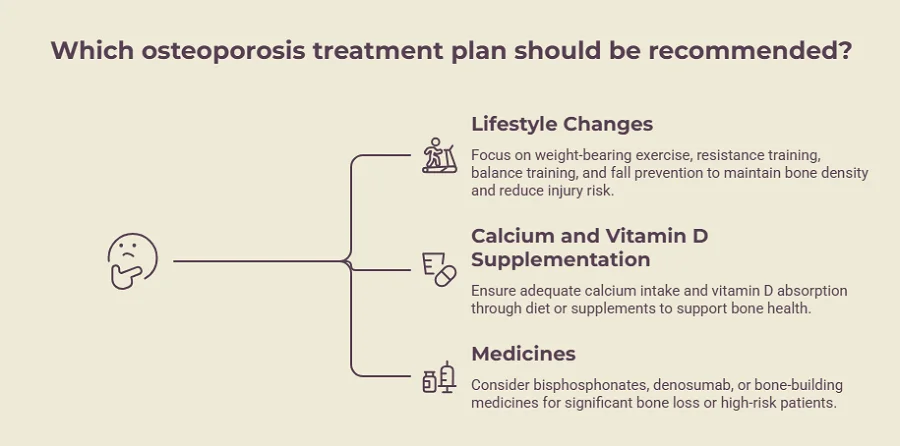
Daily lifestyle changes play a great role in bone protection. The doctors usually suggest a combination of:
1. Weight-bearing Exercise
Activities like walking, stairs climbing, or dancing are effective since you have to put weight on the feet and your bones are working against gravity that helps you maintain maximum bone density.
2. Resistance Training
Basically any type of physical exercise where your body has to endure a resistance is called resistance training. For example, you may lift a weight or use resistance bands.
Through such movements, the exercises aim at keeping your muscles strong, preventing loss of muscle mass, keeping your bones dense, and reducing the possibility of you getting injured when you are moving.
3. Balance Training
Balance workouts and Tai Chi are excellent for lowering the risk of a fall and consequent injury.
4. Fall Prevention
By removing rugs and enhancing home lighting, you can eliminate daily fall and subsequent bone break risks.
These lifestyle habits also matter when it comes to managing osteoporosis in young adults too. Besides being a major investment towards bone health, these osteoporosis prevention habits come in really handy after your bone density improves.
Calcium and Vitamin D Supplementation:
In the human body, calcium helps build and maintain bone tissues and, at the same time, vitamin D is required for calcium absorption.
A vitamin D deficiency means that you can eat calcium-containing foods but still lack in calcium as calcium is not properly absorbed.
A medical professional will run a blood test to check for any vitamin D deficiency and then suggest dietary sources or supplementation depending on your individualized case.
In addition to that, dairy products like milk, cheese and leafy vegetables, and fortified breakfast cereals are usually advised. You can also encourage vitamin D synthesis through safe sunlight exposure.
Consult Dr. Amit Kumar Sinha for a personalized bone health assessment >> Book Appointment!
Medicines:

Lifestyle changes and nutrition only go so far. Once bone loss passes a certain point, osteoporosis medicine has to be part of the plan, and there are three main routes doctors reach for.
- Bisphosphonates slow down the cells that eat away at bone tissue, so whatever density you still have gets a chance to hold.
- Denosumab works on the same target but comes as an injection, given twice a year, and it’s often what your doctor switches to if bisphosphonates don’t suit you.
- For the highest-risk patients, there are bone-building medicines too, ones that push new bone to form rather than just slowing down the bone loss.
Which one you end up on depends entirely on your bone density scores and your medical history. Your specialist walks you through different osteoporosis treatment options before deciding on a plan.
Treatment After a Fracture
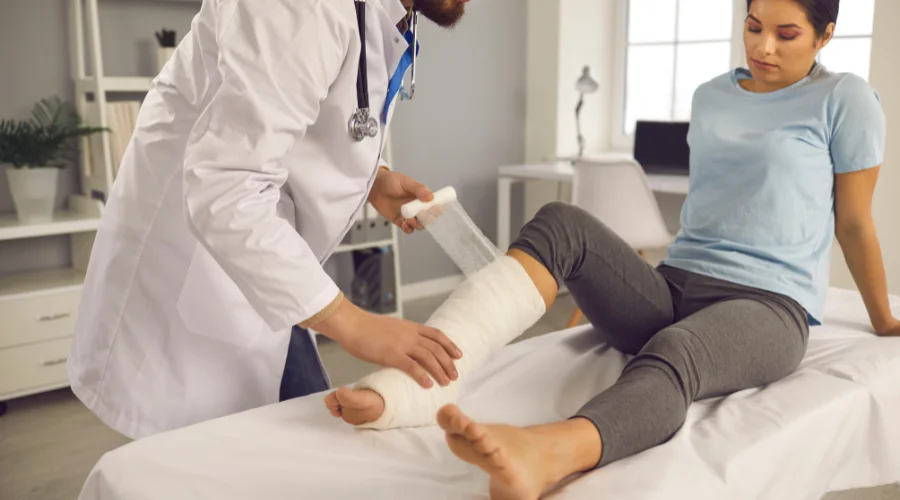
A fragility fracture changes everything about the plan. It’s no longer simply about preventing future breaks, but healing this fracture in parallel with fixing up whatever the underlying cause was that led the bone to be fragile enough to snap.
Thus, the management of a broken bone (fracture) is not only about casting, fixation, or even surgery but at the same time bone-strengthening therapy is given.
Fracture management as the first step is casting, fixation, or surgery (whichever suits more depending on how severe it is). Meanwhile your doctor will suggest bone-strengthening care to address the cause of the fracture.
Usually bone-strengthening treatment starts when you are hospitalized but continues even months after you discharge from the hospital.
Rehabilitation through physio and balance training will help regain your mobility. And future fracture prevention doesn’t stop being part of the plan, because one fragility fracture roughly doubles your odds of a second within a year.
>> Curious what a typical healing timeline looks like? Our guide on fracture recovery and care breaks it down.
Who May Need Osteoporosis Treatment?
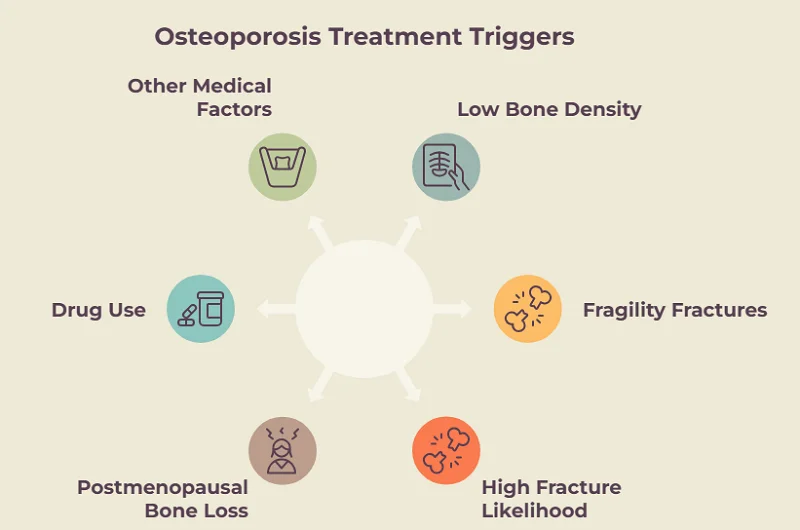
Low bone density alone doesn’t put everyone on the same treatment path. But a few situations make starting early the clear right call.
1. Low Bone Density
It is common for a DEXA scan with a T-score result in the osteoporosis range to be sufficient evidence, even without any other medical complaints.
2. History of Fragility Fractures
When you have previously had a fragility fracture, for example one caused by an accident as minor as a fall or a bump, your risk of a second fragility fracture is increased.
3. High Bone Fracture Likelihood
The factors that increase your bone fracture likelihood include family background of fractures, small stature, and chronic use of steroids. Sometimes, even when your bone density looks quite normal, these factors alone might increase your risk sufficiently.
4. Postmenopausal Bone Loss
Women frequently start therapy around menopause as the estrogen levels, which normally protect bones, are greatly reduced, leading to very rapid bone loss during those years.
5. Regular Use of Certain Drugs
Prolonged use of medicines such as steroids, certain cancer treatments, or anticonvulsants also have an effect of gradually lowering your bone strength and the bone’s resilience to breakage.
6. Other Contributory Factors
The list is quite comprehensive and also includes issues such as thyroid problems, being underweight, and a largely sedentary life that can all lead a person towards developing osteoporosis.
If a doctor takes into his or her account all of your osteoporosis risk factors and he or she determines your likelihood of getting the disease is quite high, then the doctor will decide whether or not to put you on medication immediately or whether lifestyle modifications alone will be sufficient.
>> Consult for a Personalized Treatment Plan

After this evaluation, your doctor can get a clearer understanding of your situation in order to proceed with your definitive diagnosis through appropriate testing.
How Is Osteoporosis Diagnosed Before Treatment?
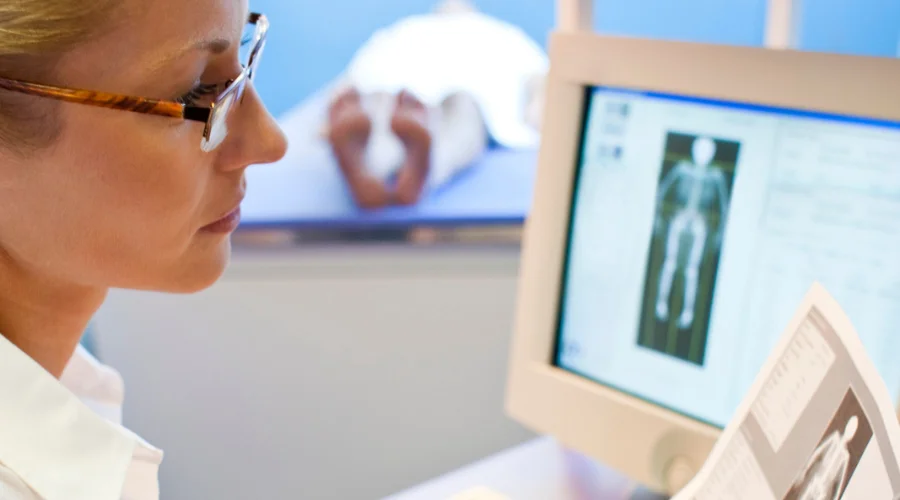
It starts with a conversation, not a scan. Your doctor asks about your history, past fractures, and whether bone problems run in your family before any physical testing begins.
- During a physical examination, your doctor can assess if you’ve lost height or have poor or changed posture, or have signs that indicate your spine has compressed.
- Dual-energy x-ray absorptiometry (DEXA) scan is considered as the standard diagnostic method as it is quick and a low-radiation X-ray. Through it your bone mineral density, usually at your hip and spine, is measured.
- Along with the DEXA scan, the blood tests for levels of calcium, vitamin D, and thyroid function are done to exclude other conditions.
Quite a few of the specialists use fracture risk assessment tools in conjunction with the scan.
This is very handy as it calculates your possibility of getting a fracture within the next 10-12 year period and based on the result, one can be put on medicines immediately or the need to start medications may be deferred.
All of it adds up to your osteoporosis diagnosis. When a case involves autoimmune or metabolic bone conditions, the osteoporosis management team at Big Apollo Spectra will also involve a rheumatology doctor in Patna, Dr. Rajiv Ranjan for a joint evaluation.
The right diagnosis requires you to get in touch with a specialist on time. Often, the first person of contact for many patients is an orthopedic doctor when there are symptoms such as back pain and sudden fractures.
When Should You Consult an Orthopedic Specialist?

Some signs are worth acting on right away instead of waiting for your next check-up:
- A fracture after a minor fall or bump
- A previous fragility fracture of any kind
- Known low bone density from an earlier scan
- Noticeable height loss over recent years
- Persistent back pain following a minor injury
- Multiple risk factors, like family history or long-term steroid use
Catch these early and you can start treatment before things get serious. If you’re searching for the best orthopedic hospital in Patna, come to Big Apollo Spectra Hospital in Agamkuan Patna.
Getting evaluated on time is often what keeps a manageable bone issue from turning into a real mobility problem.
>> Consult Dr. Amit Kumar Sinha, Orthopedic Specialist, for a bone health check.
What Happens If Osteoporosis Is Left Untreated?
Untreated osteoporosis doesn’t stay quiet forever. It moves along in the background until a fracture brings it to the surface. At that point, it is usually much further along than it would have been if caught earlier.
Left alone, your fracture risk keeps rising. Vertebral fractures can leave you with chronic back pain and a stooped posture, and hip fractures are strongly tied to older adults losing their independence.
Recovery drags on longer too, with more complications, when nobody addressed the underlying weakness beforehand. And reduced mobility can spiral, since moving less often means even more bone loss.
👉 Schedule a Clarity Consultation Now!

Frequently Asked Questions
1. Can osteoporosis be treated without surgery?
Yes, osteoporosis treatment without surgery is the standard route: lifestyle changes, calcium and vitamin D, and medicines like bisphosphonates, unless a fracture needs surgical repair.
2. What is the best treatment for osteoporosis?
There isn’t one single best option. It comes down to your bone density, fracture history, age, and overall health, so your doctor builds a plan that’s specific to you.
3. Is osteoporosis completely curable?
Not fully, but it’s manageable. Treatment can slow bone loss, rebuild some density, and bring your fracture risk down over time.
4. Does osteoporosis always cause fractures?
No. Plenty of people manage the condition for years through treatment and never break a bone.
5. Which doctor treats osteoporosis?
Orthopedic specialists usually lead the care, often alongside rheumatologists or endocrinologists for hormone-related or complex cases.
Take the Next Step for Your Bone Health
Good osteoporosis care follows a sequence: get diagnosed properly, follow a plan built for you, stay ahead of future fractures, and keep monitoring how your bones respond. Skip any one of those and the rest lose their effect.
If you’re noticing signs of bone weakness, or just want a proper bone density check, osteoporosis care is available right here at Big Apollo Spectra Hospital.
Book Appointment for an early diagnosis and catching issues before a fracture happens.