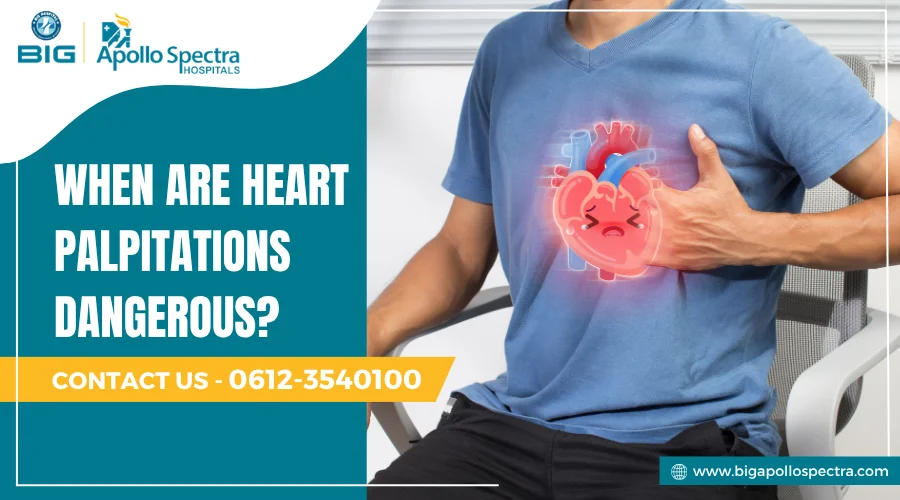
It stops and starts without a warning. You could be sitting down or on the move climbing the stairs when suddenly your heart starts racing, pounding, fluttering or missing a beat or two for a few seconds.
Typically most palpitations are not dangerous and non-emergent in nature and they may be due to stress, caffeine, and/or poor quality of sleep. However, it is very important to get evaluated for palpitations that occur with other symptoms and in people with underlying heart conditions.
Knowing when to worry about heart palpitations starts with understanding which patterns are harmless and which ones aren’t.
When Are Heart Palpitations Dangerous?
The important thing to remember is that a dangerous palpitation is one that either comes alongside other symptoms (such as shortness of breath or chest pain) or is atypical of a person’s normal heartbeat rhythm.
Thus, while a single episode of palpitations after coffee may be of little concern, palpitations that occur with other symptoms or in someone with a heart condition should be evaluated by a doctor.
>> When in doubt, consult the best cardiologist in Patna for comprehensive guidance >>
| Usually less concerning | Needs medical evaluation |
| Brief, lasting a few seconds | Recurrent or getting worse over time |
| Infrequent, happens rarely | Lasts for several minutes to hours |
| Triggered by stress or caffeine | Occurs with dizziness or breathlessness |
| No other symptoms present | Associated with chest pain or pressure, Causes fainting or near-fainting |
The sections below walk through each of these red-flag combinations in more detail, so you know exactly what to watch for.
Palpitations With Chest Pain or Pressure
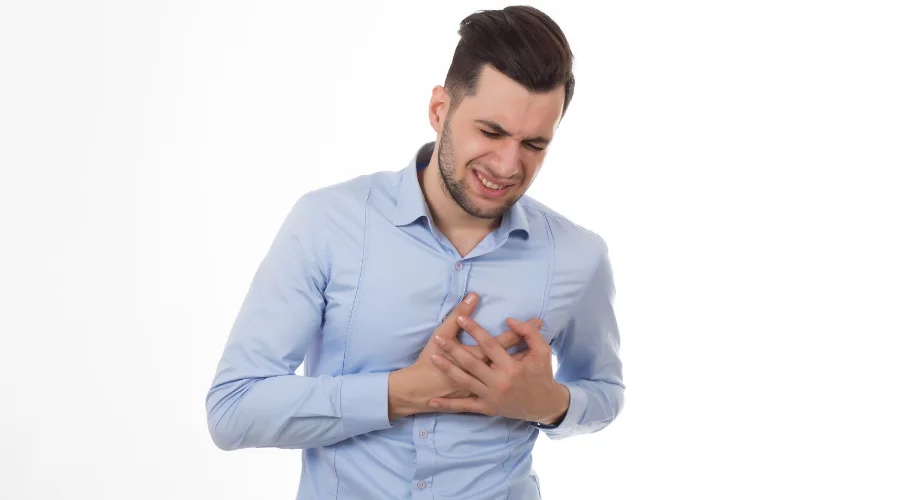
A heart rhythm problem can definitely cause quite a scare. Nevertheless, if it is accompanied by chest pain or pressure, which may be indicative of a heart attack or cardiac ischemia, that is definitely a situation that requires emergency care.
The combination of heart palpitations and chest pain can point to an underlying cardiac issue.
When you feel that strange, uncomfortable heart flutter (which can feel like beating too fast, too loud, or irregular) with either chest discomfort or pain, you need to call your healthcare provider straightaway to check if you are experiencing an underlying cardiac problem, or heart muscle blood flow has become insufficient.
For those who need to know the difference between a heart attack and cardiac symptoms with palpitations only, this page on heart disease symptoms and heart attack signs explains the key features.
Palpitations With Shortness of Breath
Having a heart rhythm issue that causes you to get out of breath so much that you cannot breathe well or that leaves you gasping is a clear sign that your heart may not be pumping effectively.
Clinicians take the combination of heart palpitations and shortness of breath very seriously; they know that one of the most alarming signs in an emergency room or hospital is when breathlessness suddenly appears or quickly worsens even with minimal activity.
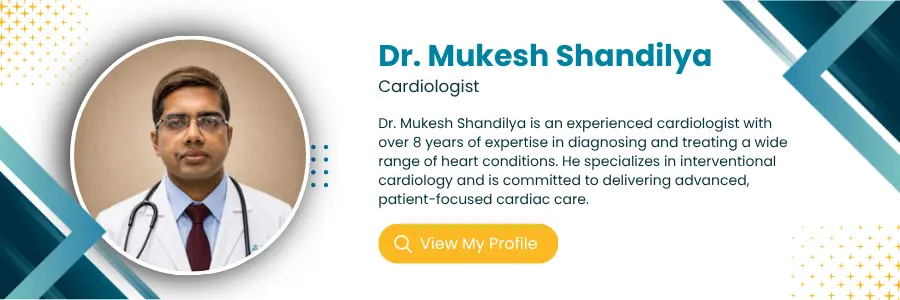
>> Consult Dr. Mukesh Shandilya (Consultant Cardiologist) at Big Apollo Spectra
Palpitations With Dizziness or Fainting
Heart palpitations combined with episodes of dizziness or fainting is a major red flag.
The reason is that some types of arrhythmias lead to reduced stroke volumes meaning your heart pushes less blood per beat resulting in brain hypoperfusion.
Heart palpitations and dizziness together are strong indicators of cardiac issues which demand immediate medical attention rather than home remedies.
Palpitations That Last for Minutes or Hours
Palpitations becoming more intense or prolonged should definitely get assessed from a cardiologist.
An episode of heart palpitations, whether lasting merely a couple of minutes or whether you’ve had heart palpitations for 3 days on and off, by itself is not an indication that it’s an emergency. Duration is not the factor here.
Rather, frequency plus other accompanying signs decide if the heart palpitations in question are a reason to be concerned. The American Heart Association points out that palpitations lasting minutes up to hours definitely are a call for action, particularly when new symptoms appear alongside them.
Palpitations That Keep Becoming More Frequent
A change in the pattern of palpitation occurrences may be a useful indicator of a problem rather than being a one-off incident.
If for instance, your old occasional palpitations are turning weekly now or you mostly get heart palpitations when lying down at night, or they are getting more intense every time, this departure from your normal baseline should not be ignored but rather be brought to the attention of a cardiologist.
There are different kinds of situations when your heartbeat seems abnormal. Recognizing these variations is just an initial step but is not the end.
It’s just as important to understand what a normal test result does and doesn’t rule out.
Heart Palpitations but Normal ECG
A regular ECG obtained during your check-up may not necessarily indicate that nothing is wrong with the patient’s heart.
Because of the intermittent nature of arrhythmias, a standard ECG lasting only for a few seconds of time could miss an episode.
If your palpitations are so regular that you are being referred for investigation and your resting ECG is still normal, your cardiologist may suggest doing heart-rhythm monitoring for a longer time period as a way of capturing your abnormal rhythms.
While a single normal ECG gives one relief, one should not be misled if this is the only conclusion and your symptoms don’t disappear.
What Do Heart Palpitations Feel Like?

Heart palpitation is very well captured by one’s perception, which, from one person to another, is very much the same.
The feeling one is aware of is a racing heart, a heavy pound, light fluttery sensations, or just a skipped beat or an extra beat. Some people describe it as their heart “flip-flopping” in the chest.
The sensation of your heart beating can be felt in your chest, throat, or neck in contrast to the fact that most people think they will feel it only in their chest.
Also, it’s good to note a fear factor here: If you “feel a heartbeat is skipped”, this is not a reflection that indeed your heartbeat had stopped. Normally, this is a slightly early or delayed beat followed by a stronger heartbeat, which makes the noticeable “thump”.
What Causes Heart Palpitations?
Understanding the heart palpitations causes generally means looking at two groups: everyday triggers that are usually harmless, and underlying medical conditions that need proper diagnosis and management.
Common Triggers That Are Usually Not Dangerous
Most palpitations trace back to lifestyle and situational factors rather than heart disease. Common triggers include:
- Stress and anxiety
- Caffeine
- Nicotine
- Alcohol
- Lack of sleep
- Strenuous exercise
- Dehydration
- Certain medications
PEOPLE ALSO READ: Can dieting cause heart palpitations?
Medical Conditions That Can Cause Palpitations
Some palpitations stem from an underlying health condition rather than lifestyle factors. These include:
- Arrhythmias, including atrial fibrillation
- Thyroid disorders
- Anemia
- Electrolyte imbalance
- Structural heart disease
Having one of these conditions doesn’t automatically mean every palpitation you feel is dangerous; the overall clinical picture, including your symptoms and medical history, is what determines the level of concern.
When Should You Seek Emergency Care for Heart Palpitations?

There are many questions that pop in the mind regarding “can heart palpitations be dangerous to the extent of one’s demise, meaning can heart palpitations kill you?” Most probably, on their own, heart palpitations alone won’t kill, but it is very straightforward.
You should head towards the nearest emergency room if palpitations are accompanied by:
- chest pain or pressure,
- severe shortness of breath,
- fainting or near-fainting,
- severe dizziness,
- confusion,
- significant weakness,
- or symptoms suggestive of a heart attack, because these sets of signs could point at critical rhythm disorders.
Heart rate in itself does not determine danger. You should also take into account heart rate, rhythm, accompanying symptoms, and personal medical history when assessing potential danger.
This is exactly the reason why emergency evaluation by heart doctors is more critical than making attempts to self-diagnose by relying on a heartbeat number displayed on fitness tracking devices.

When Should You See a Cardiologist for Palpitations?
Of course, an emergency room visit is not the typical response if the problem is just a brief heart flutter, but it is appropriate to see a cardiologist if heart palpitations are an unexpected or worrying change.
If you find yourself not clear on what your heart palpitations mean or when to see a doctor, you should make an appointment if heart palpitations:
- keep coming back,
- increase in frequency,
- prolong,
- or even if there’s no explanation for them, especially if heart palpitations have been on your mind as a symptom for months.
Similarly, if palpitations are getting so bad that they interfere with your normal work or play life, you do have existing heart disease, you experience unexplained fainting, or you’ve a family history of heart rhythm disorders, seek expert cardiology care.
According to the AHA, it’s the best idea to have an evaluation with a specialist whenever palpitations affect quality of life or they are not in line with your usual pattern.
Dr. Mukesh Shandilya, a Cardiologist at Big Apollo Spectra Hospital, assesses and evaluates patients with recurring or unexplained palpitations with the use of ECG, echocardiography and rhythm monitoring.
👉 Book an appointment with Dr. Mukesh Shandilya if your heartbeat is a cause of concern.
How Are Dangerous Heart Palpitations Diagnosed?
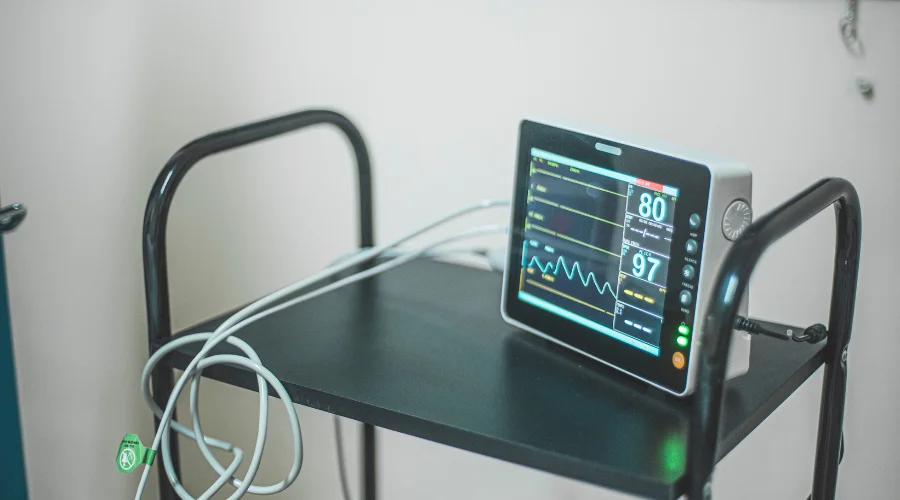
Diagnosis usually starts with a conversation and builds toward more targeted testing if needed. Here’s what that process typically looks like.
Medical History and Physical Examination
Your cardiologist will usually ask you about the duration of the palpitation episodes and how often they occur along with any triggers you might have noticed. Other associated symptoms like chest pain or dizziness will also be reviewed.
A review of current and past medical problems, current medications and supplements will be performed, as some medications and dietary supplements can cause palpitations.
A physical examination will complete the initial evaluation, and will include heart examination with listening with a stethoscope to heart sounds and palpation of radial pulse.
ECG
An electrocardiogram (ECG) measures the heart’s electrical activity via small electrodes.
The test is a snapshot of the heart’s activity and could miss some arrhythmias if they occur between recordings or if they are not occurring at the exact moment of the test.
Besides being simple and non-invasive, it is typically the first cardiac test your cardiologist prescribes after you complain of symptoms.
Holter or Other Heart Rhythm Monitoring
As palpitations often come and go so unexpectedly, even a quick ECG would miss an episode of abnormal rhythm totally.
Heart rhythm monitoring for a longer period, like a 24 to 48-hour wear of the Holter monitor or the use of an extended patch monitor can record intermittent heart beats which a short test would miss.
✅ Book a Complete Cardiac Care Checkup Package for Reassurance
Blood Tests and Other Tests
Blood workups for problems that might contribute to palpations such as issues of the thyroid, anemia, or imbalance in electrolyte levels may be done by a doctor, based on your case history and symptoms.
In case your doctor suspects that your heart problems have a structural cause like a heart valve disease, a heart ultrasound may be the next step.
Not each and every test will be relevant to your condition; your cardiologist is the person who decides whether you do or do not undergo different testing, depending on your symptoms and risk factors rather than just doing a whole panel of tests that are not required specifically for you.
Can Heart Palpitations Be a Sign of Arrhythmia?
An arrhythmia literally means abnormal heart rhythm. This is usually caused by malfunction of the heart electrical system which is responsible for each heartbeat. So, in layman terms, arrhythmia is just irregular heartbeats.
However, if these signals are delayed, premature, or out of sequence, your heart may feel as though fluttering, pounding, or skipping a beat.
Atrial fibrillation is an example of a common type of arrhythmia that may cause palpitations, but the reality is palpitations can be caused by a myriad of other things besides that.
Moreover, just having an episode of palpitations should not be considered strong enough evidence for someone to be diagnosed with AFib or another type of arrhythmia.
If you are curious about how anxiety is able to produce symptoms similar to this condition, our blog on anxiety and atrial fibrillation symptoms talks in further detail about these similarities.
What Can You Do When Heart Palpitations Occur?
If you start having a palpitation, a few simple steps may be taken so you can handle it safely.
Cease intense exercise when symptoms appear during workout – sit down and try to remain calm.
Then, if possible:
- Record when the palpitation started and its duration
- Note your activity just before the event
- Keep track of caffeine intake, medication use, level of stress, amount of sleep, and dehydration
- Go to emergency department for care right away if signs are of the life-threatening nature
Keeping a symptoms journal to track patterns over time can allow you to prepare better information for the cardiology consult.
However, if you are searching for a way to stop heart palpitations due to anxiety immediately, taking deep breaths at a slower pace tends to ease the sensation but should not be taken as a means of diagnosis or treatment in case recurring episodes continue to happen.
Frequently Asked Questions
Following are some of the common queries answered regarding heart palpitations, their complications, and the available diagnostic methods.
1. When should I get worried about heart palpitations?
Worry when they come with chest pain, breathlessness, dizziness, or fainting, or when they’re new and worsening.
2. What are 5 signs your heart is in danger?
Chest pain, severe breathlessness, fainting, cold sweats, and prolonged palpitations together suggest urgent evaluation is needed.
3. How long is it bad for heart palpitations?
There’s no fixed cutoff, but episodes lasting minutes to hours, especially with other symptoms, should be evaluated promptly.
4. Are heart palpitations dangerous?
Most are harmless and trigger-related, but palpitations with chest pain, dizziness, or fainting can signal a serious condition.
5. What do dangerous heart palpitations feel like?
They often feel intense or prolonged, occurring alongside chest pressure, breathlessness, dizziness, or faintness.
6. Can anxiety cause heart palpitations?
Yes, anxiety is one of the most common triggers, usually through increased adrenaline and a faster heart rate.
7. Can heart palpitations be a sign of a heart attack?
Yes, especially with chest pain, pressure, sweating, or shortness of breath, which needs emergency evaluation.
8. Can heart palpitations be a sign of atrial fibrillation?
Yes, AFib can cause palpitations, though symptoms alone can’t confirm it. An ECG or rhythm monitor is needed.
9. What tests are done for frequent heart palpitations?
Common tests include an ECG, Holter monitoring, echocardiography, and blood tests for thyroid (heart disease and thyroid connection), or electrolyte issues.
Take Your Heart Palpitations Seriously, Without Panicking
It is common for occasional palpitations to affect individuals but are generally nothing to worry about. However, if palpitations occur frequently or in conjunction with other symptoms, it is best to get a check-up with a cardiologist as soon as possible to determine the cause of the symptoms.
Our Cardiology Department at Big Apollo Spectra Hospital is equipped with the latest technology for ECG, Holter monitoring, and echocardiography services along with a complete arrhythmia evaluation, all under one roof to correctly diagnose and treat heart palpitations.
Dr. Mukesh Shandilya and the team of expert cardiology specialists will provide an accurate assessment and treatment for palpitations that are frequent, worsening or that have occurred with other warning signs. Book an appointment today!