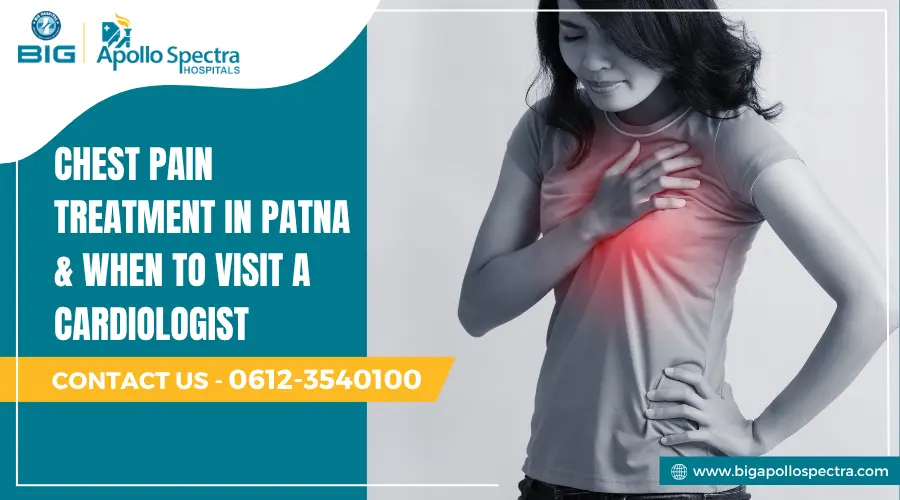
Chest pain can present in many forms such as sharp stabbing pain in the chest, dull ache in the chest or even as sensation of squeezing in the chest. While most of the causes of chest pain are relatively harmless, there are some serious heart diseases that can be life threatening if not treated in time.
Hence, it is very important to recognize the heart disease symptoms and heart attack signs in order to save a life in a crisis and recognize when it’s not advisable to wait it out.
A transient pain is not something to lose sleep over; but a warning sign is something critical and needs to be recognized much before the serious symptom of chest pain can manifest.
Chest Pain Treatment in Patna
Chest pain treatment in Patna has to be given keeping in mind the main cause behind the pain. In fact, two people with the same kind of pain can need totally different treatments even when their symptoms are similar.
Hence, a structured approach for evaluation of a patient with chest pain is often the first step a cardiologist in Patna takes before initiating any treatment procedure.
Dr. Mukesh Shandilya is a leading cardiologist with an experience of 8 years in the field. He specializes in treating chest pain and heart disease.
>> Consult Dr. Mukesh Shandilya today for a thorough evaluation of your symptoms.
Initial Evaluation

The first step of the treatment process for chest pain would be to obtain a detailed history of the patient and the description of the pain that he or she is experiencing.
The physical examination would then include the evaluation of the vital parameters such as the pulse and blood pressure.
An ECG would be then obtained to rule out any abnormality in the electrical activity of the heart. The blood tests would be conducted to check for the presence of certain enzymes in the blood that indicate damaged heart muscle.
Sometimes, when the cause of chest pain is suspected to be non-cardiac, doctors will ask for specific symptom indicators as well. For example, pain that comes specifically after meals may indicate gastric related chest pain rather than heart pain.
Treatment Options
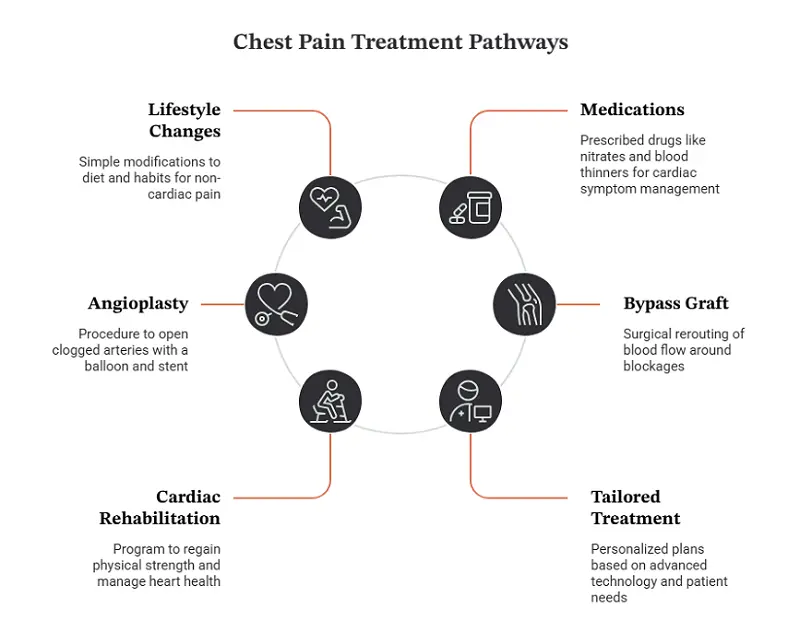
While most gastric or muscle related chest pain is treated usually with very simple lifestyle changes and medications/conservative treatments, heart related pain can be multifaceted.
Treatment options are available to treat most instances of angina (chest pain) without having to have surgical intervention. Many people find relief through lifestyle modifications after their doctor has diagnosed them as needing such interventions.
- Most patients will be put on a course of nitrates and blood thinners to manage their symptoms, and that proves to be enough for many cases. These patients usually come in at the hospital for regular appointments to monitor their symptoms and look for possible complications.
- In some cases, a procedure called an angioplasty may be performed by using a balloon to open the clogged area of the artery and then inserting a stent to keep the artery from becoming clogged again.
- Other times, a bypass graft may need to be placed to reroute blood flow past severe areas of blockage.
- Your cardiologist will also recommend you participate in a cardiac rehabilitation program so that you can regain your physical strength while still being safe.
>> Book an Appointment for Early Evaluation
The use of advanced technology allows cardiologists to develop a treatment plan tailored to each patient’s needs.
The treatment plan could include coronary artery disease treatment or ongoing monitoring at a trusted heart hospital in Patna to prevent progression of the disease. In all cases, getting an accurate diagnosis early reduces emergency situations.
Understanding the Common Causes of Chest Pain
There are two categories of chest pains – those related to your heart (cardiac) and those caused by something else (non-cardiac). How quickly you need to react depends upon whether it’s a cardiac or non-cardiac issue.
Cardiac Issues:
When coronary artery disease narrows the arteries supplying your heart muscle, angina occurs and creates pain due to insufficient blood supply.
But when the blood supply is completely and suddenly cut off, this can result in damage to part of the heart muscle; meaning a heart attack.
Some people also experience irregular heart rhythms that they describe as “flutter” or “tightening”, indicating arrhythmia. In addition, if your heart becomes less efficient at pumping blood throughout your body, this can mean heart failure and pressure in your chest may develop as a result.
Non-cardiac Issues:
Gastroesophageal Reflux Disease (GERD), where acid is released into your esophagus irritating it, can mimic chest pain and has very similar symptoms as heart related pain.
Sometimes, soreness also develops in localized areas of your muscles from over-exertion or poor posture. Sharp pain will typically be felt while suffering from lung infections such as pneumonia. With deep breaths, this pain usually gets worse.
Not to mention, panic attacks can create a rapid heartbeat and tightness in the chest area. Fractures to your ribs resulting from accidents (falls) or injuries from coughing fits can lead to discomfort and increased pain with each move.
People managing diabetes face a higher cardiac risk, and understanding the effects of diabetes on heart health helps you catch warning signs sooner rather than later.
Clearly, not all chest pain deserves the same response. The next section breaks down exactly when you should stop waiting and get checked.
When Should You Visit a Cardiologist for Chest Pain?

This is the most important section in this guide, so pay close attention. Visit a chest pain specialist doctor in Patna immediately if your chest pain:
- Lasts more than 10-15 minutes without easing
- Occurs during physical activity or exertion
- Spreads to your arm, jaw, shoulder, or back
- Is accompanied by breathlessness
- Comes with sweating or nausea
- Recurs frequently over days or weeks
- Occurs in someone with diabetes or hypertension
Don’t Ignore These Warning Signs: Sudden chest pressure with sweating, dizziness, or arm pain needs emergency care right away. Don’t wait to see if it passes on its own.

At Big Apollo Spectra Hospital, a chest pain doctor in Patna can quickly determine whether you have a condition that could be serious by running tests such as an electrocardiogram (ECG) or drawing blood for routine tests.
The longer it takes for a patient to be treated with a potentially fatal blockage of one of their coronary arteries (which would reduce the amount of oxygen-rich blood being delivered to the heart), the poorer the patient will likely fare.
Timing is far more important than most patients are aware when treating heart attacks. Consistently, research has shown that once a patient begins experiencing symptoms, quicker treatment will result in less heart muscle damage and improved chances of survival.
Thus, the reason doctors are so quick to respond to possible heart attack symptoms; they recognize these as emergencies rather than events to simply monitor.
Note that recognizing these signs is only half the battle. You also need to know what tests confirm the actual diagnosis.
How Is the Cause of Chest Pain Diagnosed?
Gastric related chest pain is often diagnosed with the help of symptoms, medical history, and a physical examination, and sometimes upper GI endoscopy (only if symptoms are persistent and other complications are suspected).
On the other hand, muscle related chest pain can be diagnosed with a thorough physical examination for tenderness and movement-related pain. Sometimes, an X-ray is also used to rule out other causes of chest pain.
For suspected cardiac cases:
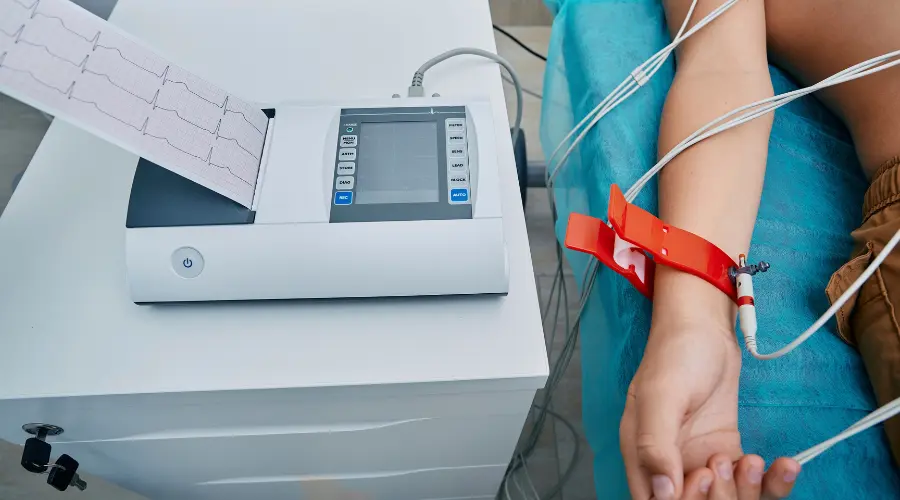
The diagnosis begins with taking a detailed history about your health, including when the first episode of pain occurred, and your family history related to cardiovascular diseases.
- An electrocardiogram (ECG) is performed to assess abnormal electrical activity in the heart. The abnormal patterns identified by an ECG could indicate a heart attack or arrhythmia.
- Echocardiography is used to provide images of your heart’s chambers and valves in real-time. Using echocardiography, doctors are able to evaluate the movement of your heart as well as assess blood flow through your heart.
- Blood tests check levels of troponin and other biomarkers that increase once damage occurs in cardiac tissues.
- Stress testing evaluates how your heart functions during physical stress such as while walking on a treadmill.
Based on the results from these tests, if they indicate a blocked artery, the doctor will likely refer you for an angiography test. In an angiography test, a catheter is inserted into your body through an artery located in your leg or groin.
A small amount of contrast dye is injected into the artery. Images taken via this test provide visualization of your coronary arteries. The location and severity of a potential blockage is confirmed based upon images obtained.
Based upon test results confirming a blockage, the decision will be made regarding treatment options. Your doctor will choose among prescription medications, angioplasty, and/or open-heart surgery based upon the size and number of blockages identified.
Diagnosis at Big Apollo Spectra Hospital
At Big Apollo Spectra, a chest specialist relies heavily on test results prior to making decisions regarding treatment, but makes those decisions based upon a total evaluation of your individual case; rather than relying solely on any one piece of information or a single test.
If you’ve been searching for a heart clinic near me offering complete diagnostic support under one roof, Dr. Mukesh Shandilya and the cardiology team at Big Apollo Spectra offer a wide variety of comprehensive diagnostic services.
Therefore, please book an appointment today so we can help you determine what is causing your chest pain symptoms.
After your cause has been diagnosed, we will work together to ensure you take steps to prevent any future episodes of chest pain.
→ Schedule a Cardiology Consultation at Big Apollo Spectra Hospital
Can Chest Pain Be Prevented?
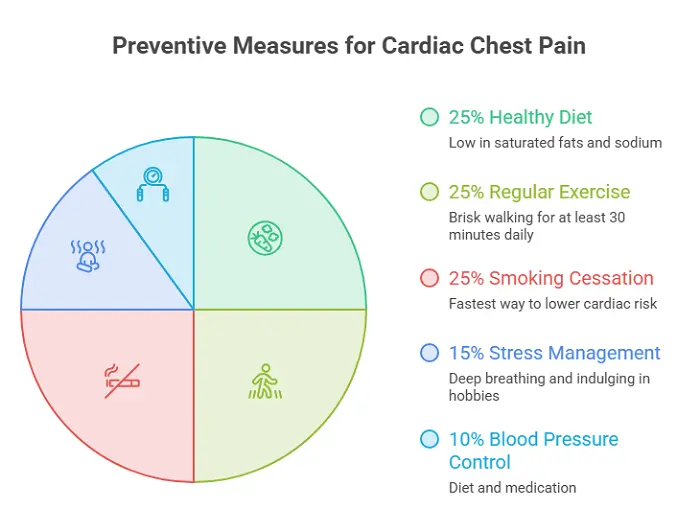
The ideal preventive measures should address the fundamental cause(s) of cardiac chest pain as opposed to reacting once symptoms occur.
Cardiac-healthy diets (low in saturated fats and sodium) will reduce plaque accumulation over time. Exercise (even just briskly walking for 30 minutes per day) will strengthen your heart muscle. Stopping smoking will be the fastest way to lower your cardiac risk.
Some people also query if yoga can help improve heart health. It’s important to know that mindful movement coupled with medical treatment can provide circulation advantages.
Controlling high blood pressure through diet and/or medication will prevent damage to your arteries. Managing diabetes will keep your blood sugar stable, preventing damage to your blood vessels over an extended period.
It’s also advisable to lower the stress load on your heart by using techniques such as deep breathing, and indulging in hobbies will also help manage your stress levels.
Heart exams done regularly will detect problems before you ever feel symptoms. Your local cardiologist/chest specialist in Patna Bihar can develop a tailored prevention plan to assist you in managing your individual risk factors.
If you are looking at how to maintain a healthy heart at age 50 or older then, generally speaking, making small changes to your everyday routine can be better than making large-scale changes to your overall lifestyle.
Frequently Asked Questions
There are many common questions regarding chest pain that we routinely get from patients. The following are quick answers to those which we see most frequently.
1. Is every episode of chest pain related to the heart?
No. Many episodes come from acid reflux, muscle strain, or anxiety.
2. What’s the best treatment for chest pain?
Treatment depends on the cause, ranging from medication to angioplasty or bypass surgery.
3. How do I know if my chest pain is serious?
Pain lasting over 10 minutes, spreading to your arm or jaw, or paired with sweating needs urgent care.
4. What is the difference between angina and normal chest pain?
Angina typically follows exertion and eases with rest. Learn more about the difference between angina and normal chest pain.
5. What type of doctor treats chest pain?
A cardiologist evaluates and treats chest pain linked to heart conditions.
6. What are 3 to 5 common causes of chest pain?
Angina, acid reflux, muscle strain, anxiety, and rib injuries are common causes.
7. Which chest pain is not serious?
Pain that worsens with touch or movement is usually muscular, not cardiac.
8. How to sleep with chest pain?
Sleeping propped up on pillows can ease pressure linked to reflux or mild strain.
9. What tests may be recommended for chest pain?
Doctors typically order an ECG, blood tests, echocardiography, and sometimes stress testing.
10. Can chest pain occur after angioplasty or stent placement?
Yes, mild discomfort can occur during recovery. Read more about chest pain after stent placement.
11. When should I visit the emergency department instead of waiting for an appointment?
Go immediately if pain is severe, sudden, or paired with breathlessness or sweating rather than waiting for a scheduled slot.
Book Appointment to Get Rid of Chest Pain in Time
It is very important that you do not dismiss chest pain whether it feels mild or strong. Early identification of your symptoms will enable us to find out what caused your symptoms, so we can treat you in time, before complications occur.
Do not let your symptoms get worse by waiting and thinking they will go away on their own. Contact Dr. Mukesh Shandilya today for a professional assessment and medical care.
A cardiac test package is also available at the hospital for patients who suspect cardiac chest pain, along with other medical interventions for all kinds of chest pain complications.
Schedule your appointment today, while your symptoms are still manageable.