

Urinary tract infection (UTI) is among the most prevalent bacterial infections, inflicting millions of people around the world every year. These infections can also be very painful and may involve anything from burning sensation while urinating to frequent urges to urinate. A question that comes up on a regular basis to address UTI concerns is “Why does UTI cause proteinuria?
Protein in the urine, called proteinuria in medical terms, can be a distressing symptom to address. If we dig into this, we’ll find out the deeper connection between UTIs and protein in urine along with the key insights on how you can effectively treat both.
Can UTI Cause Protein in Urine?
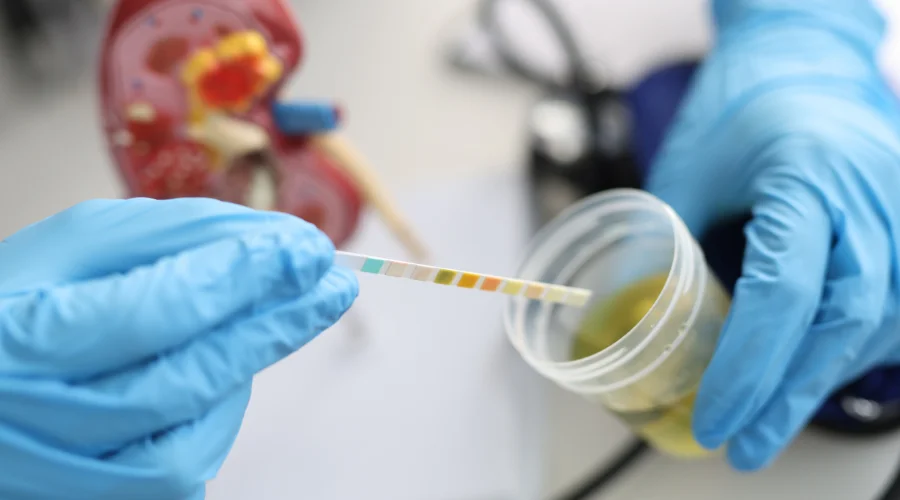
Yes, a urinary tract infection can cause protein in urine. The infection inflames your bladder and lining of the urinary tract. This inflammation allows minimal quantities of protein to leak into the urine.
Most people will eventually get rid of this short-term proteinuria as the infection gets tackled by antibiotics.
Here is the explanation behind why this happens. Your kidneys perform the role of filtering your blood, keeping large protein molecules in your blood and letting only the waste pass through.
The infection causes inflammation and the filtering membrane, which normally blocks the passage of larger molecules, becomes slightly more permeable which leads to the trace amount of protein getting passed in the urine.
It is usually a transitory state that the kidneys are responding to, and this does not imply any kind of lasting kidney damage. When your infection has gone, filtration will get back to normal and the protein levels back to the baseline.
Still, if you have protein that continues after the treatment, you should take it seriously.
UTIs and its complications must be diagnosed and treated by consulting a qualified urologist in Patna.
Persistent protein in urine after UTI and particularly together with swelling or fatigue, may indicate another kidney problem at play that you need to have addressed through further testing.
Dr. Kumar Rohit, Consultant Urologist at Big Apollo Spectra Hospital, regularly evaluates UTI-related patients showing urinary protein. He also guides them on when it becomes necessary to go back and do the tests again.
Consult Dr. Kumar Rohit → Book Appointment

Now that you know why this happens, let’s look at how much protein is actually normal during an active infection.
How Much Protein Is Normal During a UTI?
A trace protein reading is common during a UTI and usually needs no separate treatment beyond clearing the infection itself.
Your urine protein test may also show it as +1 or +2. A +1 reading is mild and often resolves with antibiotics, while +2 reflects a larger leak and calls for closer monitoring.
High levels that maintain +2 and beyond, after treatment or repeat tests are definitely an alert signal that the infection has a higher involvement beyond a simple urinary tract infection which shows an increased content of protein in the urine.
Knowing this scale will help you realize whether the time is right to get to a doctor. The next part is to see whether this protein level indicates any risk to the person.
Is Protein in Urine During a UTI Dangerous?
Urinary tract infections with protein in the urine are usually harmless and go away after a short period of treatment. The protein that is there during the time of the infection is just the sign of inflammation but not of lasting damage.
However, the concern arises when protein is still present after a person has undergone treatment, as that may be a sign of a more serious issue involving the kidneys. Some of the signs of such developments are foaming in the urine, swelling in the legs or face, fatigue, and elevated blood pressure.
These signs, when accompanied by continued protein in urine, can point to beginning stage chronic kidney disease; thus, it is a good Idea to get the opinion of a doctor as soon as possible.
Knowing when protein is a false alarm versus a real warning brings us to what happens after treatment.
Does Protein Disappear After UTI Treatment?
A typical case is that after taking antibiotics, the presence of protein in the urine subsides in about 1 or 2 weeks. As the infection clears, the inflammation goes down and the kidney’s filtration get back to normal.
After the end of the treatment, health professionals usually ask the patient to perform a urine test 2-weeks later to confirm that the protein has disappeared. The check-up urine test is basically a confirmation that you are well again, and it’s a simple and trusted recovery assessment.
The amount of time required to complete the healing from a UTI varies with the severity of the infection and the health of the kidneys, but in most cases, the level of protein gets back to its normal state within a month.
If the level remains abnormal even after the treatment is over, then, such a finding should be looked into in detail. It probably implies that something else than the original infection is at work.
Speaking of other causes, it’s worth knowing when protein in urine has nothing to do with a UTI at all.
When is Protein in Urine NOT Caused by a UTI?
Protein in urine isn’t always linked to infection. Several chronic conditions cause protein in urine infection-free, and these need distinct evaluation.
- Diabetes is a common culprit, since high blood sugar gradually damages kidney filtering units, a condition known as diabetic kidney disease.
- Chronic kidney disease and glomerular disease also cause ongoing leakage as kidney tissue is damaged.
- Uncontrolled hypertension pressures your kidney’s blood vessels, pushing protein into urine without any infection present.
- Kidney stones can occasionally cause protein too, usually alongside pain.
Because causes overlap, persistent proteinuria after infection should not be ignored, and it deserves a proper workup rather than assumption.
This overlap raises a natural question: which specialist should you see?
Should You See a Urologist or a Nephrologist?
See a urologist first if protein appears alongside classic UTI symptoms like burning urination, urgency, or pelvic discomfort, since these point to a urinary tract issue.
Consult a nephrologist if protein persists after infection clears, or if you have diabetes, high blood pressure, or swelling, since these suggest the kidneys need evaluation.
In recurrent UTIs with lingering proteinuria, multidisciplinary care between both specialists gives the most complete treatment plan.
An experienced urologist doctor in Patna can determine which path fits your situation and refer you onward if needed.
Understanding who to consult naturally leads to a bigger question many patients ask themselves once test results come back abnormal more than once. That question is whether ongoing protein points to something more serious than a passing infection.
Could It Be Kidney Disease Instead?
Temporary infection-related protein clears within weeks, but certain signs suggest something more. Persistent, unresolved protein deserves closer attention.
Watch for these kidney disease symptoms: swelling in your ankles or face, urine that stays foamy across visits, elevated creatinine, and hard-to-control blood pressure.
Existing diabetes and repeated abnormal urine reports over months add weight toward a kidney-focused evaluation rather than a simple infection explanation.
None of these signs confirm kidney disease alone, but together they signal it’s time for bloodwork and a kidney-focused consultation.
With these warning signs in mind, here’s when symptoms cross into a medical emergency.
Red Flags: When Should You Seek Immediate Medical Care?
Seek immediate care for fever with flank pain, since this combination often signals infection has reached your kidneys rather than staying in your bladder.
Other urgent signs include visible blood in urine, severe back pain, or inability to pass urine, all needing same-day evaluation.
Protein persisting after finished treatment, along with recurrent UTIs within a short span, also warrants prompt follow-up rather than waiting.
Don’t delay care if any symptom appears alongside protein and bacteria in urine or albumin in urine on your report, since early treatment prevents complications.
Consult Dr. Kumar Rohit at Big Apollo Spectra Hospital, Patna, for a prompt evaluation. Book Appointment!
Solutions and Recommendations
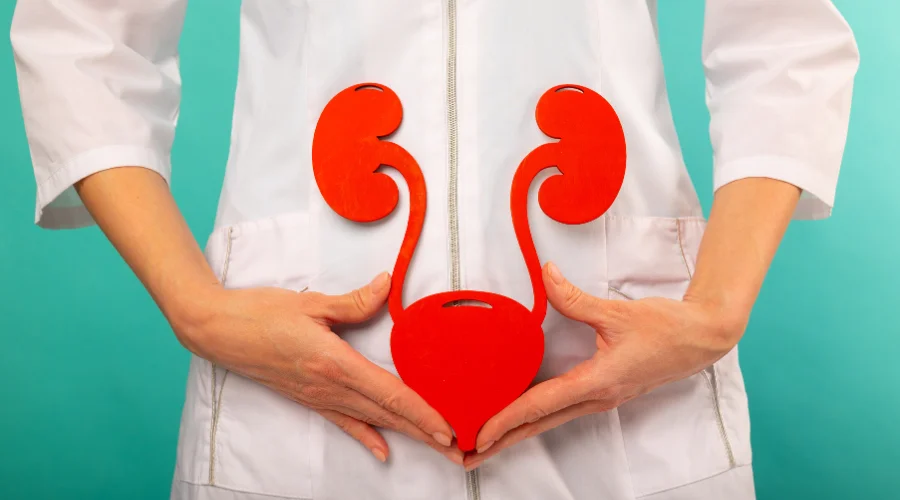
The treatment of UTIs and related proteinuria is often complex and requires a comprehensive approach.
Treatment for protein in urine typically starts by addressing the root cause of UTI, which can be treated with proper antibiotics given by physicians. The need to promptly treat it in order to avoid complications and kidney damage is paramount in most cases.
Ways to manage and reduce the risk of proteinuria (protein in urine) during a UTI:
- Adhere to the antibiotic treatment, even if symptoms subside before you finish the course.
- Keep an eye on your urination patterns and its appearance, and report changes to your doctor.
- Get regular urine tests to monitor the protein levels during treatment.
- Make sure you stay hydrated by drinking 8-10 glasses of water each day. Drinking enough water helps flush out the bacteria and lowers protein levels in the urine. Staying properly hydrated dilutes the urine and reduces protein concentration.
- If your discomfort and inflammation are getting worse, take over-the-counter pain medication only as prescribed by your doctor.
Best urologist in Patna can prescribe individualized treatment plans based on your specific case and complaints. In fact, the best way to get timely and the right treatment is seeking the help of a qualified urologist at reputable hospitals known for successful cases.
Preventive measures to maintain urinary tract health:
- Follow good hygiene practices, including wiping from front to back and urinating after having sex.
- Include foods in your diet that are rich in vitamin C and antioxidants to support immune function.
- Be sure to restrict the intake of foods that irritate the bladder, including caffeine, alcohol, and spicy foods.
- Wear cotton underwear, and don’t wear tight clothes as they trap moisture.
- Empty the bladder completely when urinating and don’t hold urination for too long.
- Stay at an ideal weight with daily activity and adequate nutrition.
- Work on stress management, because stress can elevate protein in urine. There is some evidence that chronic stress can affect the kidneys and lead to proteinuria.
Dietary adjustments to support urinary tract health:
- Limit sodium intake to control your blood pressure and manage kidney function.
- Include cranberry products in your diet, and you can prevent bacterial adhesion.
- Eat a lot of fruits and vegetables that contain antioxidants.
- Avoid processed foods and refined sugars that lower immune health.
- Pick lean proteins and stick to a moderate protein intake.
- Include probiotic-enriched foods for optimal bacterial balance.
Moreover, having a complete understanding of the “foods that cause protein in urine” is important for the management of this condition.
Figuring out how to reduce protein in urine involves following healthy lifestyle changes, including maintaining a healthy weight, exercising regularly, and regulating blood pressure with frequent medical exams.
You should also eat according to the dietary guidelines. An easy way to reduce protein excretion is eating a balanced diet devoid of sodium and processed foods.
Regular monitoring and prevention are key to urinary tract health. Be sure to take timely appointments with your doctor and take suggested screening tests to catch any issues early and find out if the cause behind protein in urine is UTI. Remember that symptoms of protein in urine might not be immediately apparent, thus making professional medical advice especially necessary.
Get Help at the Big Apollo Spectra Hospital in Patna
Professional medical attention is required when dealing with UTIs and proteinuria. The Big Apollo Spectra Hospital in Patna houses well-experienced urologists and specialists who understand the complexities of urinary tract health. The best urologist doctor in Patna provides a comprehensive care plan with latest diagnostic tools and treatment procedures.
The hospital’s dedicated urology department provides individualized treatment protocols that ensure patients are treated as most effectively fits their needs.
Our professionals can diagnose, treat and prevent future problems if you’re suffering from frequent UTIs or have protein in your urine. Checkups and early intervention are the keys to optimum urinary tract health.
So, don’t hesitate to seek medical attention if you feel any unusual symptoms. Get an appointment at the Big Apollo Spectra Hospital, Patna today for a detailed consultation with our urologists and make a move towards better urinary tract health.