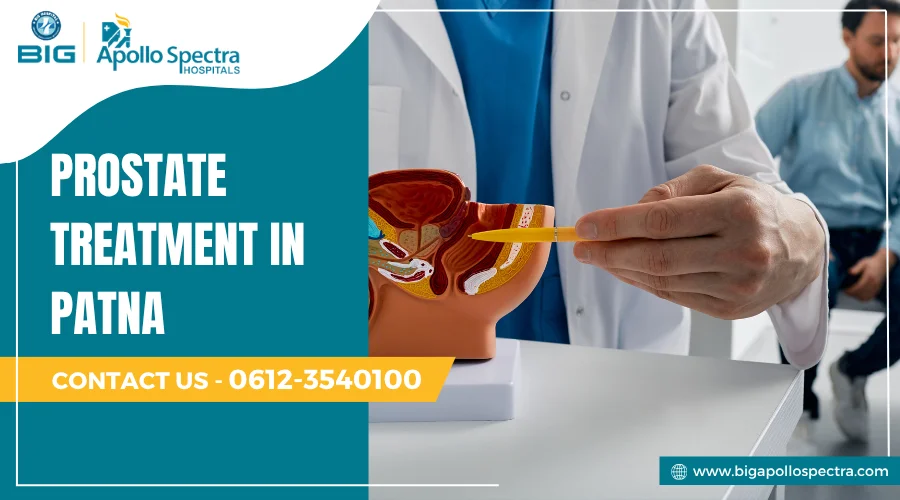
There’s no single prostate treatment that suits everyone. Yours depends on what’s behind your symptoms, and how much they’re affecting your days in terms of severity.
Most often, the cause is Benign Prostatic Hyperplasia (BPH), the medical name for an enlarged prostate. As per the research published in the Journal of Urology, BPH is prevalent in roughly half of men aged over 50 years, rising to as many as over 80% once by the time men are 80 years of age.
Enlarged prostate treatment can be as simple as a few habit changes, or it can mean medicines, a minimally invasive procedure or surgery. Some men also need care for complications, bladder stones being one.
Note that frequent urination can have several causes, so identifying the underlying problem is important before choosing the treatment. Symptoms that keep coming back deserve a urologist, not another home remedy.
Prostate Treatment in Patna: What Should You Expect?
Curious what prostate treatment in Patna looks like in practice? It moves in six steps.
- Symptoms: Your urine flow or frequency changes.
- Urology consultation: You talk through your history with the doctor.
- Evaluation: Exam and tests are done.
- Diagnosis: Results show whether BPH, infection or something else is behind it.
- Treatment plan: You and your doctor choose an approach.
- Follow-up: Reviews check whether the treatment plan is working as expected.
Your treatment plan hangs on several things: symptoms, prostate findings, test results, age, general health, and how you responded to earlier treatment. Same diagnosis, different plans? It happens all the time, and it’s why an effective prostate problem treatment can’t come off a template.
Start with a visit to a urologist in Patna, Dr. Kumar Rohit, at Big Apollo Spectra, to get a treatment plan that’s customized to what you’re experiencing.
What Problems Can Affect the Prostate?
The prostate is a walnut-sized gland located right below your bladder. While it produces the fluid that feeds and transports sperm, it also wraps around the urethra’s first part.
That’s where urine flows out of your body. An enlarged or inflamed prostate gland weakens your stream. That’s why prostate issues often present as urinary issues first.
Most prostate problems in men come down to three things:
- Benign Prostatic Hyperplasia (BPH): non-cancerous growth of prostate tissue.
- Prostatitis: inflammation or infection of the gland.
- Prostate cancer: abnormal cells in the gland growing uncontrollably.
Surgery isn’t the first pick for every prostate issue. Lots of men get by on monitoring or medicines. Read up on the early signs of prostate problems so you can act before your sleep and daily routine pays for it.
Symptoms That May Mean You Need Prostate Treatment
Doctors often group these complaints as lower urinary tract symptoms. Does any of the following sound familiar?
- A weak urine stream
- Difficulty starting to urinate
- Frequent urination
- A sudden, strong urge to go
- Waking at night to urinate
- Dribbling after you finish
- A feeling that your bladder has not emptied
- A stream that stops and starts
- Urinary retention: you can’t pass urine at all
Here’s the odd part: how bad you feel doesn’t always match prostate size. A slightly enlarged gland can wreck your week, while a larger one may cause almost very little trouble.
So, forget guessing from scan size. What matters more is how much the symptoms interfere with your day and sleep, and whether they’re getting worse day by day.
Keep a rough log of night-time trips for a week; it tells your urologist more than “it’s a bit annoying” ever will. And if you can’t pass urine at all, get to a hospital right away.
One caution. Not everything urinary is the prostate. A burning sensation after urinating usually points to an infection or another urinary condition, so it needs its own evaluation before you blame enlargement.

What Causes an Enlarged Prostate?
Some of the leading enlarged prostate causes include:
- Mostly it’s age. The gland just keeps growing, slowly, year after year, and getting older is the biggest risk factor.
- Hormones are involved. Testosterone and its more active form, dihydrotestosterone (DHT), are thought to fuel the growth, and their balance shifts as men age.
- Family plays a role as well: if close relatives needed BPH care, you’re more likely to.
- Weight and metabolism come into play as well. Obesity, type 2 diabetes and low physical activity have all been linked to higher risk.
More tissue presses on the urethra and squeezes it, much like a pinched garden hose. In this case, your bladder has to push harder to pass urine, and that muscle can thicken and, in time, weaken. This is when symptoms begin to show up. Because it all happens gradually, plenty of men adjust without noticing.
Having a big prostate isn’t a reason to rush into treatment. Prostate enlargement treatment is mostly for men whose symptoms bother them or lead to complications.
Younger men aren’t off the hook either; read about enlarged prostate at a young age if that sounds like a concern you might be having.
Once a cause is suspected, tests confirm it. Here is how doctors reach a diagnosis.
How Is a Prostate Problem Diagnosed?
Every treatment decision rests on this step, so expect some thoroughness here. Nothing here is unusual, and urologists field common questions all day.
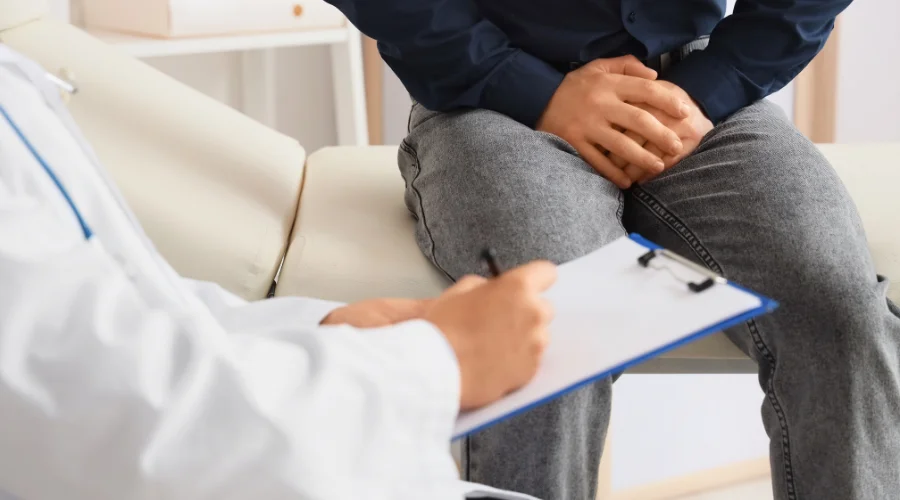
First they’ll ask about your symptoms: which ones, for how long, how bad. Medicines come up too, since some cold remedies and diuretics affect urination, and so do past urinary problems, so the specialist will ask about past issues too.
Bring old prescriptions and reports, and be candid; the small details save time. Many doctors add a scored questionnaire, the International Prostate Symptom Score, to put a number on things.
Then the physical exam. Where clinically appropriate, a digital rectal exam lets the doctor feel the gland’s size and texture.
Tests may include:
- Urine test: looks for infection and blood.
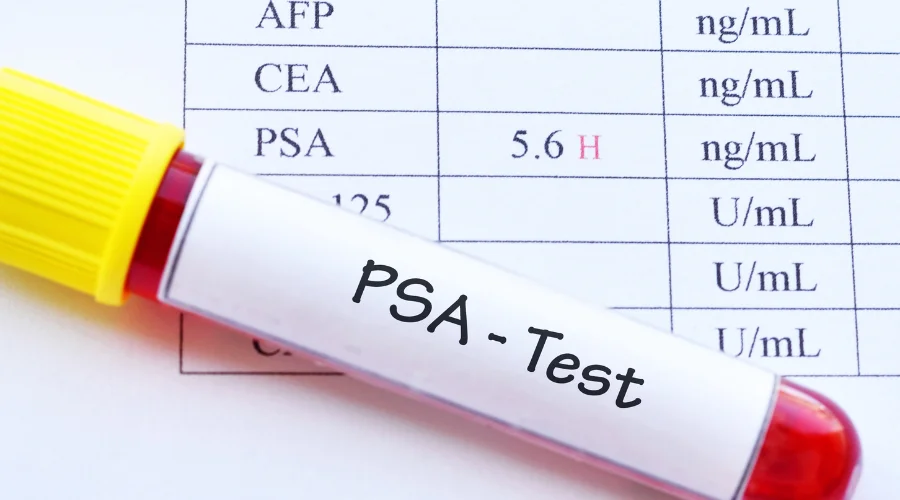
- PSA blood test: measures prostate-specific antigen. It can rise with BPH, prostatitis or cancer, so the number needs careful reading.
- Ultrasound: shows how big the prostate is and how your bladder and kidneys look.
- Post-void residual measurement: checks how much urine is left after you go.
- Uroflowmetry: you urinate into a specialized funnel that records how fast the urine flows.
Cystoscopy or kidney function tests are added only when needed, and your doctor will explain why. Taken together, the results tell BPH apart from infection, stones, bladder conditions and other causes. Seeing a prostate specialist doctor in Patna early keeps all this short, and our urology specialists can walk you through each step.
Diagnosis done, you can finally talk about options. There are more than most men expect.
Prostate Treatment Options in Patna

Prostate treatment in India commonly follows guidelines from the American Urological Association and the European Association of Urology, tailored to each patient. The treatment ranges from simply watching to operating.
1. Lifestyle Changes and Watchful Waiting
Mild symptoms sometimes ease with small tweaks in your lifestyle. Cut back on evening drinks. Ease off caffeine and alcohol, and steer clear of other bladder irritants.
Try double voiding: urinate, wait a moment, then go again. Sort out constipation (a full bowel presses on the bladder) and stay active. None of it costs much or carries real risk, which is why many doctors start here. Some men simply get monitored to catch any worsening.
2. Medicines for Enlarged Prostate
Two drug groups do most of the work, and doctors sometimes pair them.
Alpha blockers relax muscle in the prostate and bladder neck, so flow can improve within days to weeks. 5-alpha reductase inhibitors work differently: they block the hormone conversion that fuels growth and slowly shrink the gland, which can take around six months to show its full effect.
Combination therapy uses both, often for larger prostates or symptoms that are harder to control.
The right treatment for enlarged prostate with medicines depends on gland size and symptoms. Take them exactly as prescribed, because side effects need review. Some men respond faster than others.
3. Minimally Invasive Prostate Procedures
Some men can avoid major surgery altogether. Certain procedures ease the obstruction through an endoscope passed up the urethra, so there’s no large cut.
Recovery is often quicker than after open surgery, though a short-term use of catheter is sometimes needed.
Whether you qualify depends on prostate size, symptoms, overall health, the degree of urinary obstruction, earlier treatment and, finally, your urologist’s assessment.
Your urologist can walk you through what each option involves and what recovery looks like. Ask which one fits you, and why.
4. Prostate Surgery
When symptoms become too bothersome to manage or complications occur, surgery may be considered. Examples include recurrent episodes of urinary retention or infections, bladder stones, marked obstruction, kidney or bladder strain, or symptoms refractory to medications.
Transurethral resection of the prostate (TURP) has traditionally been the “gold standard” surgery for BPH: an instrument is inserted up the urethra and the obstructing tissue is removed.
No external incisions are required. Laser-based surgeries also access the prostate up the urethra, but remove/vaporize tissue using laser energy.
Prostate laser treatment is one of the questions we hear most frequently from patients. It’s not necessarily the best choice for everyone and it’s not an automatic “upgrade” from regular surgery.
There are advantages and disadvantages to each approach and the recovery can be quite different. If you are thinking about prostate surgery in Patna, make sure to ask your surgeon which approach he/she feels will work best for your individual anatomy.
When Is Prostate Surgery Recommended?
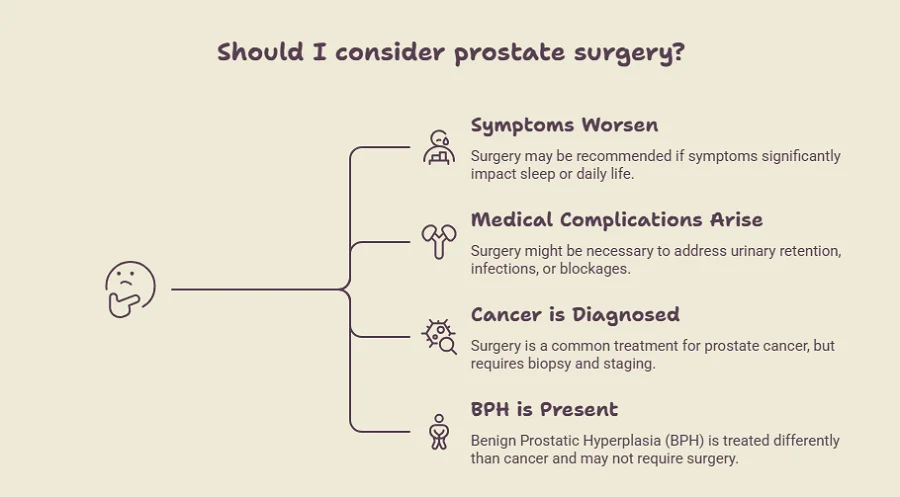
Most men never get there. Surgery comes up when medicines stop doing enough, when symptoms wreck your sleep or daily routine, or when things turn riskier: urinary retention and infections that keep coming back, bladder stones, a significant blockage, or strain on the kidneys and upper urinary tract.
Your urologist will review all that against your age, health and preferences, and may repeat some tests first. Ask about recovery time, catheter use and side effects such as temporary burning, blood in urine or, less often, changes in ejaculation.
Ask for a cost estimate as well, since the prostate operation cost in Patna depends on the procedure, hospital stay and insurance cover. No need to rush. A second opinion is reasonable, and a good urologist won’t mind questions. Bring a family member if you can; an extra set of ears helps.
One distinction matters. An enlarged prostate does not automatically mean prostate cancer. BPH is benign, and its care differs from prostate cancer treatment in Patna, which is planned after biopsy and staging.
Not sure where you stand? Dr. Kumar Rohit, Urologist at Big Apollo Spectra Patna, treats benign prostatic hypertrophy and other urinary conditions. >> Consult Dr. Kumar Rohit Today
Prostate Treatment: Medicines vs Surgery
Nobody can call one of these “the best.” Each suits a different stage, which is why BPH treatment in Patna gets planned around you.
| Treatment | Generally considered for | Main goal |
| Lifestyle changes | Mild symptoms | Reduce urinary triggers |
| Medicines | Mild to moderate symptoms | Improve urine flow and control symptoms |
| Minimally invasive procedures | Selected patients | Reduce obstruction |
| Surgery | Significant obstruction or complications | Improve urine flow and bladder emptying |
Read the table top to bottom and the usual order shows up. Men move down the table to procedures and surgery only when the step above stops working or complications appear.
Some stay on lifestyle changes for years, others need a procedure sooner, and neither is wrong. Your symptoms set the pace.
Then there’s cost. The cost of prostate treatment climbs with procedure complexity and hospital stay, and the prostate surgery cost in Patna is best confirmed with the hospital once you’ve been evaluated.
Bladder trouble does not always stay in the bladder. Your kidneys can be affected too.
Can Prostate Problems Affect the Kidneys?

Sometimes, yes. When a blockage is severe or has gone on for years, the bladder can’t empty fully. Urine can back up toward the kidneys, raising pressure in the upper urinary tract and, if ignored, contributing to kidney damage.
It’s uncommon in men who get timely care, but it does happen. The bladder itself suffers too: a muscle that strains against a blockage for years may lose strength, and leftover urine raises the chance of infections and stones.
Warning signs:
- Difficulty passing urine
- Very weak urine flow
- Urinary retention
- Recurrent urinary infections
- Blood in urine
- Changes in kidney function on blood tests
Simple blood tests and an ultrasound show how your kidneys are coping. Don’t assume blood in urine comes from the prostate alone, because stones, infection and other causes are possible and the source must be found. Noticing any of these signs? A prostate specialist in Patna can arrange the right tests promptly.
When should you book a consultation? Well, earlier than most men do.
How to Know When You Need a Urologist?
Book an evaluation if you notice:
- Persistent weak urine flow
- Increasing urinary frequency
- Difficulty starting urination
- Repeated night-time urination
- A feeling of incomplete emptying
- Recurrent urinary infections
- Urinary retention
- Blood in urine
- Symptoms that persist or worsen
Don’t wait for a crisis. Early evaluation often means simpler treatment. Many men put it off for years, assuming night-time trips are just ageing. Is it common, yes.
But is it something you have to accept, no. Bring a list of your medicines when you go to the doctor. And if you’re searching for a top urologist in Patna, look for specialist training such as M.Ch in Urology and access to in-house diagnostics. A urologist doctor in Patna will go through your symptoms and map out what comes next.
Frequently Asked Questions
Still wondering about something? These quick answers below might cover it.
1. What is the most common treatment for an enlarged prostate?
Medicines, in most cases, and most men start there. Once tests confirm BPH, doctors usually suggest taking alpha blockers, 5-alpha reductase inhibitors or both together. Lifestyle changes back them up. Surgery is kept for severe symptoms or complications.
2. Can an enlarged prostate be treated without surgery?
Usually, yes. Most men with BPH get by without an operation, relying on lifestyle changes, monitoring and medicines.
Surgery only comes up if symptoms stay severe, medicines fail, or complications like retention, stones or repeated infections develop.
3. When does an enlarged prostate require surgery?
When medicines aren’t enough or complications show up: urinary retention, recurrent infections, bladder stones, significant obstruction, kidney or bladder problems, or symptoms that won’t settle. Your urologist decides after examination and tests, never on prostate size alone.
4. Can prostate problems cause frequent urination?
Yes. A larger or inflamed prostate can irritate the bladder and stop it emptying fully, so the urge to go turns frequent, even at night.
Infections, diabetes and bladder conditions can do the same, hence the testing is required before assigning any name to your symptoms.
5. Can an enlarged prostate affect kidney function?
Occasionally, if the blockage is severe or long-standing, though timely care prevents it in most men. Backed-up urine strains the kidneys. Blood tests and an ultrasound show how kidneys are coping, so checking early is sensible.
6. How is prostate enlargement diagnosed?
Doctors combine a symptom review, a physical exam and a handful of tests: usually a urine test, PSA blood test, ultrasound, post-void residual measurement and uroflowmetry. Together these confirm BPH and rule out infection, stones and other causes.
7. When should I see a urologist for prostate problems?
Once urinary symptoms linger or simply get worse, disturb your sleep, keep bringing back infections, or come with blood in urine. Can’t pass urine at all? Go to a hospital at once. That counts as an emergency.
Reading only gets you so far. An examination gives real answers. Here is how to take the next step.
Get Treated for Prostate Issues in a Safe Environment
Prostate problems are common and treatable, and most men never need surgery. What counts is an accurate diagnosis and a plan built around you.
Big Apollo Spectra Hospital in Patna offers urology care for prostate issues, from evaluation and tests to medicines and procedures.
Looking for prostate treatment near me in Patna? Start with a consultation. Consult Dr. Kumar Rohit and move one step closer to easier urination and better sleep. Disrupted sleep and constant bathroom trips aren’t something you have to live with, so don’t wait for symptoms to worsen. Get diagnosed today!