

The uncomfortable sensation of burning during or after urinating stands as a condition that’s prevalent worldwide and affects millions of people.
While the level of discomfort during urination varies between mild irritation to severe pain, one thing is certain; this condition will interfere with the daily routine of most sufferers.
In fact, the burning sensation may also have some accompanying symptoms that are equally disconcerting. You may have frequent urination needs, urgency to urinate, or you might also be noticing changes in urine colour.
In any case, the prevalence of urinary burning sensation should not be taken for granted. These issues usually signal an underlying health problem that needs proper medical examination.
Urinary burning may have causes such as infections, inflammation, irritation caused by specific foods or medications as well as severe conditions that affect the urinary tract. Understanding the root causes is highly important to get long-term relief from this kind of urinary discomfort.
This how-to guide today provides strategies for instant relief and long-term treatments along with preventive measures to help you get rid of uncomfortable urinary sensations.
Why Does It Burn After Urinating? Common Causes of Burning Sensation
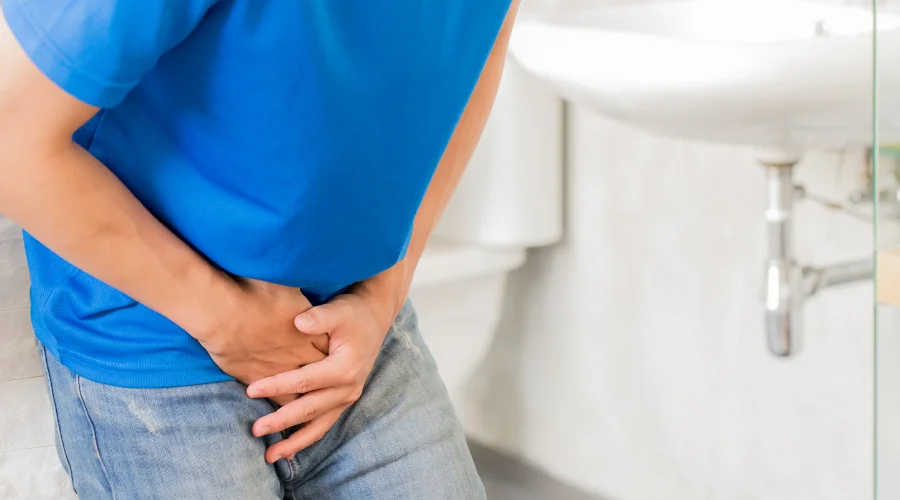
Dysuria is defined as painful urination and can be caused by many different things. Therefore, each type of cause will need to be treated differently.
To begin with, finding out what is causing your discomfort will allow you to start on the path to some relief from burning while peeing. Here are the five most common causes of burning or pain when urinating.
1. Urinary Tract Infections (UTIs)
A urinary tract infection occurs when bacteria enters your urethra and reproduces. This is the number one reason for dysuria.
Because of anatomical differences, women have a greater likelihood of developing UTIs than men; however, men can get them too. Bacteria that cause inflammation of the lining of your bladder create an extremely painful burning sensation immediately upon urinating and/or lead to frequent urination.
2. Kidney Stones
Kidney stones are hard mineral formations that grow within your kidney(s) and then pass down through your urinary system.
As these stones make their way down through your urinary tract, they rub against your sensitive ureteral lining causing extreme burning sensations during urination. Blood may also be present in your urine along with sharp flank pain that radiate to your lower abdominal area.
➤ Book an Appointment with Dr. Kumar Rohit (Urology Specialist) for Diagnosis
3. Prostatitis
Prostatitis refers to the inflammation of the prostate gland and occurs solely in men. Although it can result from either a bacterial infection or irritation, prostatitis results in symptoms including dysuria and difficulty urinating.
Men experiencing prostatitis commonly report increased urinary frequency and a weakened urine flow, along with discomfort during bowel movements.
4. Enlarged Prostate
When males get older, their prostate gland is going to grow and will push on the urethra. This enlarged gland restricts urine flow and makes it difficult for an individual to pee without some sort of irritation and burning sensation when peeing.
A few symptoms may occur if you have this problem including the inability to fully empty your bladder, along with waking up several times during the night to pee.
5. Sexually Transmitted Infections (STIs)
Sexually transmitted infections like Gonorrhea and chlamydia will irritate the urethra. STIs will usually create a burning sensation when urinating, which will normally accompany an excessive amount of discharge and pelvic pain.
If left untreated, STIs can cause permanent harm to your reproductive system so you need to seek medical help right away.
6. Vaginal infections
A yeast infection and/or bacterial vaginosis creates irritation in both the urethra and vagina. When these organisms produce toxins they will cause irritation and burning sensation after urine. Most females who have experienced a burning sensation when urinating will tell you they have had itching too.
7. Bladder Irritation
Bladder irritation is usually caused by foods, beverages and substances irritating the bladder walls. These irritants may include caffeine, alcohol, hot and spicy foods, artificial sugar substitutes. Once the source of irritation is removed from your diet, your burning sensation will cease.
8. Interstitial Cystitis (IC)
Interstitial Cystitis (also known as Bladder Pain Syndrome) produces chronic bladder and pelvic pain combined with dysuria. There is no bacterial infection detected in these cases.
Primarily occurring in women over age 30, interstitial cystitis results in severe burning sensation while urinating and increased frequency of urination both at night and throughout the day.
How to Stop Burning Sensation After Urinating?
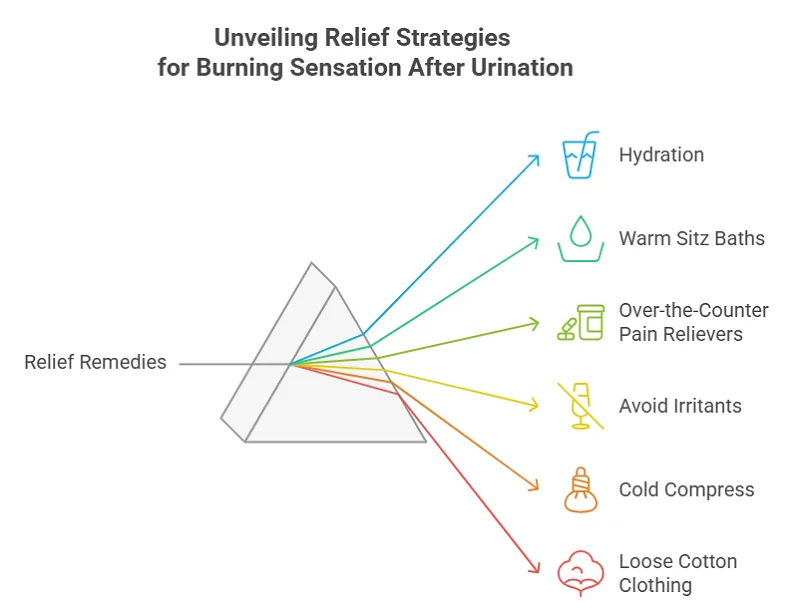
A urologist will first diagnose you to identify the root cause behind the burning sensation in urination. At the same time, you’ll most likely get medications for immediate symptom relief.
The majority of these cases happen due to urinary tract infections (UTIs) that need proper medical diagnosis followed by antibiotic treatment.
In cases where you have persistent symptoms, it’s best to not wait around. You can choose to seek expert evaluation and treatment for persistent or severe symptoms from a super speciality hospital in Patna.
To start the treatment, doctors usually use essential diagnostic procedures, such as urinalysis, cultures, and imaging studies. These help pinpoint the specific reason behind your symptoms.
There are also several home-based interventions that can help mitigate symptoms and support healing until your appointment.
However, note that these remedies are only for relief and cannot replace medical options. Professional medical advice is more often than not required because of the dire nature of this condition.
Stop Burning Sensation After Urinating Immediately: Relief Remedies
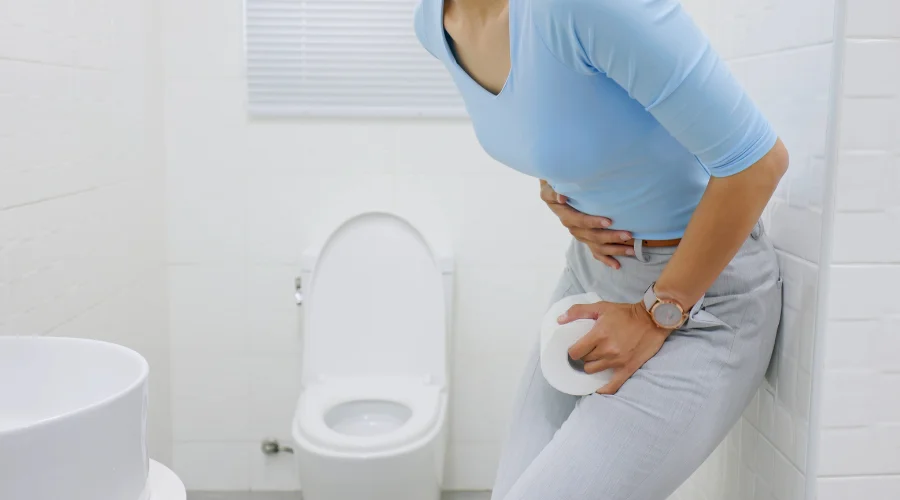
Home remedies can offer quick relief from burning sensation after urination as you wait for your doctor’s appointment.
During episodes of urinary discomfort, people can use these relief strategies immediately and alongside schedule a meeting with their healthcare provider.
It’s important to remember that the treatment strategy will vary based on what’s causing your symptoms.
Although simple interventions can be effective in some cases, some other symptoms often indicate serious conditions that require immediate professional medical intervention.
For example, you need to see your doctor right away if there are symptoms such as fever, blood in urine or pain in your lower back or side. For milder and more subtle symptoms, the following remedies can provide some relief.
1. Hydration
Maintaining hydration with 8-10 glasses of water each day helps to dilute your urine which also reduces irritation when urinating.
Not to mention, drinking sufficient water will help eliminate bacteria and toxins from your urinary tract.
2. Warm Sitz Baths
You can also try soaking the genital area in warm water for 10-15 minutes. This might help reduce inflammation and, in turn, reduce the burning sensation.
3. Over-the-Counter Pain Relievers
Over-the-counter medications including ibuprofen and acetaminophen provide temporary relief from pain and inflammation. But it’s often best to ask your doctor before taking these more than a few times.
4. Avoid Irritants
It’s best to remove potential dietary irritants, such as caffeine, alcohol, spicy foods, acidic fruits, and artificial sweeteners from your diet. Don’t consume these while you are experiencing the burning sensation.
5. Cold Compress
Using a cloth-wrapped cold pack on the genital area helps to decrease inflammation and provides pain numbness as well.
6. Loose Cotton Clothing
Breathable underwear promotes healing and reduces irritation because it helps maintain dryness and restricts bacterial growth.
In most severe cases, though, these remedies won’t be enough to get long-term relief. Medical treatment plans become essential when short-term relief options prove to be inadequate.
Medical professionals provide specific treatment methods for ongoing symptoms.
Burning Sensation After Urinating But No Infection – The Causes
While most people associate a burning sensation after using the restroom with an infection, this isn’t always the case. Many individuals experience a burning sensation after peeing without having a detectable infection. As such, each of these scenarios has unique diagnostic processes and treatments.
There are several non-infectious conditions that have similar symptoms to UTIs; therefore, self-diagnosing may be dangerous and delay treatment.
1. Irritating Hygiene Products and Vaginal Irritation
Chemical irritants from douches, scented cleansers and some female hygiene products also alter your body’s natural pH levels which in turn create a burning sensation when urinating that is indistinguishable from an infection. Changing to fragrance-free products and water based cleaning solutions typically resolve symptoms in just a few days without antibiotics.
2. Dehydration
Inadequate hydration contributes to concentrated urine which irritates your bladder and urethra much worse than diluted urine. Concentrated urine is also typically acidic and dark colored; thus it causes greater irritation to your bladder lining and urethral mucosa, increasing burning sensation in urine.
Hence, drinking eight to ten glasses of water daily dilutes your urine which decreases irritation to your bladder lining naturally.
3. Certain Medications’ Side Effects
The chemical irritation of certain types of medications (antibiotics, antihistamines & anti-inflammatories) occurs because their metabolites pass through the body’s urinary system, where it irritates the lining and creates a burning sensation while passing urine.
A conversation with the urologist about alternative treatments may help resolve the issue of dysuria.
Consult Now for Proper Diagnosis →
4. Kidney Stones
As mineral deposits slide down your urethra, they scrape against the walls of your urethra. Because even very small stones will cause a great deal of pain, this is one of the most painful conditions that exists.
Pain due to a kidney stone usually feels like it is coming from your lower back and side. As kidney stones continue to move downward and into the ureters, people typically report that their symptoms vary in severity.
5. Prostatitis Without Infection
Autoimmune prostatitis represents an example of prostatitis caused by inflammation but without the presence of bacteria. The classic symptoms include a burning sensation when urinating and pelvic discomfort.
The chronic form of autoimmune prostatitis requires anti-inflammatory treatment as opposed to antibiotic therapy. Therefore, identifying whether or not you have chronic autoimmune prostatitis requires proper evaluation and testing on your part.
Other than this, cases with Interstitial Cystitis can also cause burning sensation while urinating plus constant pelvic pressure with increased urination frequency.
Burning Urination in Men vs Women
Women experience dysuria more frequently due to anatomical differences. Your shorter urethra allows bacteria easier access to the bladder.
Additionally, your urethral opening sits close to the anus, increasing contamination risk. About 50% of women develop at least one UTI in their lifetime, with many experiencing recurrent infections.
Men face lower infection rates but suffer more severe complications when dysuria occurs. Prostate involvement complicates male urinary infections, potentially spreading to the bloodstream.
However, men aged 50+ increasingly report dysuria from enlarged prostate rather than infection. For both sexes, painful urination lasting over two days warrants medical evaluation. Don’t delay consulting a urologist if burning sensation when peeing persists or worsens. Early diagnosis prevents serious urological complications.
Quick Relief: What to Do Immediately (60-Second Guide)
If you feel burning while urinating right now, these steps can bring fast relief while you wait to see a doctor. These measures do not replace medical treatment — they reduce discomfort and prevent the condition from worsening.
✔ Drink 2–3 glasses of water immediately to dilute your urine and reduce its acidity.
✔ Avoid spicy, caffeinated, or acidic foods and drinks as these irritate the bladder further.
✔ Apply a warm compress to your lower abdomen for 10–15 minutes to ease discomfort and muscle tension.
✔ Do not hold your urine — urinate as soon as you feel the urge to help flush bacteria from the tract.
✔ See a doctor if symptoms persist beyond 24–48 hours — self-care alone is rarely sufficient for infections.
Not getting relief from conventional options? Dr. Kumar Rohit can help you find the right diagnosis.
📌 Consult Dr. Kumar Rohit / Book an Appointment at Big Apollo Spectra Hospital
Diagnostic Tests Your Doctor May Recommend
Accurate diagnosis requires systematic testing. Your urologist will recommend specific tests based on your symptoms and medical history. These investigations identify the exact cause of your dysuria, guiding precise treatment. Here’s what your doctor may order:
Urinalysis
This fundamental test examines your urine under a microscope and uses chemical strips. White blood cells indicate infection; red blood cells suggest stones or bleeding; crystals point toward mineral deposits.
The test takes five minutes and provides immediate results, making it the first-line diagnostic tool for burning sensation after peeing.
Urine Culture
When urinalysis suggests infection, your doctor orders a culture to identify the specific bacteria. The sample incubates for 24-48 hours, growing bacterial colonies that reveal which antibiotic kills the infection effectively.
This prevents unnecessary broad-spectrum antibiotics and reduces antibiotic resistance development significantly.
Ultrasound Imaging
Sound waves create detailed pictures of your kidneys, bladder, and ureters. This painless scan detects kidney stones, structural abnormalities, and bladder wall thickening.
For burning sensation after urine with suspected stones or structural problems, ultrasound provides immediate visualization without radiation exposure.
Sexually Transmitted Infection Testing
If STI is suspected, your doctor performs specific bacterial cultures or nucleic acid amplification tests (NAATs). These highly sensitive tests identify gonorrhea, chlamydia, and other pathogens. Results guide targeted antibiotic therapy, preventing long-term reproductive damage from untreated infections.
Blood Tests
Blood work checks kidney function and systemic infection markers. Elevated white blood cells indicate infection; abnormal creatinine suggests kidney involvement.
When dysuria accompanies fever or flank pain, blood tests help assess infection severity and organ involvement.
Cystoscopy
Your doctor inserts a thin camera through your urethra to directly visualize your bladder interior. This procedure identifies polyps, strictures, bladder wall abnormalities, or interstitial cystitis patterns. Cystoscopy helps diagnose chronic dysuria when standard tests prove inconclusive.
Long-term Treatment Options

Proper diagnosis and targeted treatment approaches are essential to manage and stop persistent burning sensations after urinating.
1. Antibiotic Therapy
The main treatment for bacterial infections involves taking a prescribed course of antibiotics. Continue taking all prescribed medications until the full course ends even if you start to feel better.
Your healthcare provider may choose specific antibiotics based on urine culture results to effectively target the bacteria causing your infection.
There are also cases of recurrent infection. These may require an extended antibiotic treatment or prophylactic low-dose antibiotics.
Because certain infections are resistant to standard antibiotics, follow-up tests are required after treatment to confirm that the infection has been treated successfully.
2. Antifungal Medications
In cases where symptoms indicate a yeast infection, doctors will prescribe antifungal creams, suppositories, or even oral medications. In fact, your urologist may also advise using both topical and oral medications together for comprehensive treatment.
These medications function to eradicate the excess growth of Candida fungi that causes irritation in urinary and genital areas.
The length of treatment depends on how severe the infection is and can extend from one dose to multiple doses taken weekly for several months. Doctors will often use a comprehensive treatment approach for those who are getting repeated infections and burning sensations.
3. Specialized Treatments
The burning sensation can also be the result of some medical conditions. In these cases, people with interstitial cystitis may need bladder instillations, physical therapy, or medications to control nerve sensitivity.
Bladder instillations deliver therapeutic agents through a catheter directly to the bladder which offers immediate relief to inflamed bladder tissues.
Healthcare providers sometimes prescribe low doses of tricyclic antidepressants or antihistamines to decrease pain sensitivity by controlling nerve signal modulation in chronic conditions.

4. Surgical Interventions
Surgical intervention becomes essential when patients present with structural abnormalities, stones, or severe prostate problems. Through online searches and medical referrals, you can locate the best urologist doctor in Patna who will provide expert care for complex urological conditions that require specialized intervention.
Laser lithotripsy for stones and transurethral resection for prostate enlargement deliver extended relief along with reduced recovery duration. These surgical options prove to be much better than conventional surgical methods.
5. Hormonal Treatments
Estrogen treatment has the potential to rejuvenate both the urinary and vaginal tissues in women who are postmenopausal.
Topical estrogen comes in cream, tablet, and ring forms to regenerate vaginal tissues while restoring urethral tissue blood flow and natural acidity.
The condition results in a substantial decrease in painful burning sensations that are due to thinning tissues in women.
Women with multiple menopausal symptoms can consider systemic hormone replacement therapy, but you must also evaluate potential risks alongside benefits through detailed discussions with your gynaecologist.
Remember that a slight burning after urination despite initial treatment often points to a chronic condition which needs customized long-term management strategies including dietary adjustments, pelvic floor therapy, or medications.
Medications that relax bladder muscles are effective against overactive bladder while neurogenic bladder disorders often need intermittent catheterization or neuromodulation therapies.
When you are trying to take care of your urinary health, remember that prevention remains more beneficial than treatment. Implementing even the most minor lifestyle adjustments can greatly reduce the chances of experiencing future episodes.
NOTE: Treatment Depends on the Cause!
| Cause | Possible Treatment |
|---|---|
| UTI | Antibiotics |
| Kidney Stones | Pain management / removal |
| STI | Targeted medication |
| Vaginal Infection | Antifungal treatment |
| Prostatitis | Antibiotics or anti-inflammatory treatment |
| Dehydration | Fluid intake |
Preventive Measures to Avoid Future Occurrences
Regular urinary discomfort commonly requires modifications to various elements of your daily lifestyle and routine.
Women are particularly susceptible to urinary issues due to their anatomy and hormones. The shorter urethra in women provides bacteria with easier access to their bladder making women more susceptible to urinary tract infections.
Also, urinary tract health and sensation are influenced by hormonal changes that occur during menstruation, pregnancy and menopause. Thus, there’s a need for even more careful prevention steps to stop burning sensation after urinating in a female.
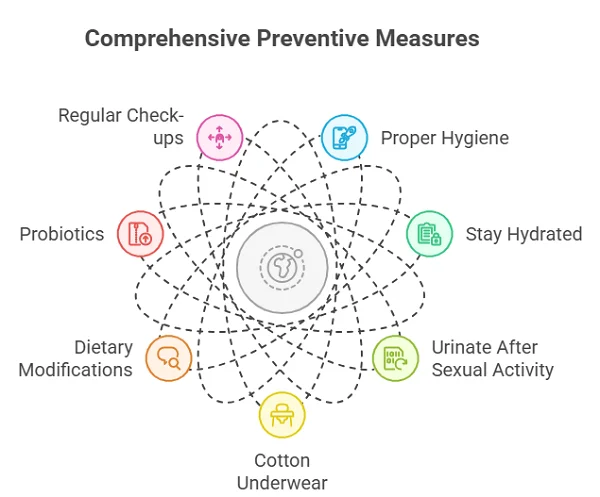
The steps you take to prevent urinary discomfort and burning should be informed by your unique risk factors. Consider incorporating these evidence-based approaches:
- Proper Hygiene: Always clean yourself from front to back after using the toilet to stop bacteria from moving from the anal area to the urethra.
- Stay Hydrated: Adequate fluid consumption facilitates regular urination, which helps to cleanse the urinary tract.
- Urinate After Sexual Activity: Drain the bladder within half an hour after having sex to wash away bacteria that could have entered the urethra.
- Cotton Underwear: Select natural fabrics that allow air circulation and avoid tight clothing which can hold moisture and bacteria in your genital area.
- Dietary Modifications: Avoid bladder irritants such as caffeine, alcohol, artificial sweeteners, and spicy foods to protect your bladder health.
- Probiotics: Probiotic supplements or dietary choices can help maintain vaginal health and gut bacteria which prevents infections.
- Regular Check-ups: If you experience urinary issues or a burning sensation after urinating but no infection from initial tests, you should schedule regular urological evaluations. Regular monitoring will usually help catch something that is causing the burning sensation.
Professional medical intervention is essential in most cases of urinary tract trouble. Your quality of life depends on urinary health, and any discomfort will also have a lasting impact on your confidence.
When to See a Doctor Immediately?
Some symptoms of burning urination signal a serious or progressing condition that requires prompt medical evaluation. Clinical guidelines from the National Institute of Diabetes and Digestive and Kidney Diseases (NIDDK) recommend seeing a doctor immediately if you experience any of the following alongside burning urination.
- Fever above 38°C (100.4°F): This can indicate a kidney infection (pyelonephritis), which requires antibiotic treatment urgently.
- Blood in urine (haematuria): Pink, red, or brown-coloured urine suggests bleeding in the urinary tract and must be evaluated without delay.
- Lower back or flank pain: Pain in the sides or lower back alongside burning urination may point to kidney stones or a kidney infection.
- Symptoms lasting more than 2 days: Burning that does not improve with home care within 48 hours is a clear signal to seek professional diagnosis and treatment.
- Recurrent episodes: If you experience repeated episodes of burning urination, it may indicate an unresolved infection, structural issue, or chronic condition that needs thorough investigation.
Dr. Kumar Rohit at Big Apollo Spectra Hospital specializes in diagnosing and treating urinary conditions and dysuria. Early consultation can prevent complications.
📌 Book an Appointment with Dr. Kumar Rohit Today!
Frequently Asked Questions (FAQ)
Here are answers to the most common questions people ask about burning urination. For personalised advice, consult Dr. Kumar Rohit at Big Apollo Spectra Hospital.
1. Can burning urine go away on its own?
Mild cases caused by dehydration or minor irritation may resolve on their own with increased water intake, but burning urination caused by a UTI, STI, or kidney stone requires medical treatment and will not go away without it.
2. Which drink is good for urine burning?
Plain water is the best option — drinking 8–10 glasses daily dilutes urine and flushes bacteria; unsweetened coconut water and barley water are also traditionally used to soothe the urinary tract, though plain water remains the most effective and evidence-based choice.
3. How long does burning urination last?
With proper treatment, most UTI-related burning resolves within 2–3 days of starting antibiotics; dehydration-related burning typically improves within hours of adequate hydration, while burning caused by kidney stones or STIs may persist until the underlying condition is fully treated.
4. Can dehydration cause burning urination?
Yes — when you are dehydrated, urine becomes concentrated and more acidic, which can irritate the inner lining of the urethra and produce a burning or stinging sensation even in the absence of any infection.
5. Is burning urine always a UTI?
No. While UTIs are the most common cause, burning urination can also result from kidney stones, prostatitis, STIs, chemical irritants, dehydration, or conditions like interstitial cystitis, which is why a proper diagnosis is important before starting any treatment.
PEOPLE ALSO READ: Bladder Pain Syndrome vs UTI
6. What foods worsen burning urination?
Spicy foods, caffeine (tea, coffee, energy drinks), alcohol, carbonated beverages, and highly acidic foods like tomatoes and citrus fruits can all irritate the bladder and worsen burning urination — avoiding these during an active episode is strongly advised.
Address Urination Burning with a Trusted Urologist
The correct diagnosis of the burning sensation after urinating will help your doctor decide your proper course of treatment and prevent any future repetition of the same symptoms.
Some home remedies and increased fluid intake can treat occasional urinary discomfort where the cause is something mild like dehydration.
However, you cannot get relief in all cases without consulting a doctor. Medical assessment is needed for persistent or recurring symptoms.
The urology department of Big Apollo Spectra Hospital delivers advanced diagnostic services along with individualized treatment plans to address every type of urinary condition.
Our medical team of expert urologists provides patients with non-invasive management options as well as surgical treatments depending on the severity.
You can easily avoid future complications and chronic conditions by taking an early appointment and running diagnostic tests before symptoms get more severe. So, take your first step today towards long-term urinary health.