
Chronic kidney disease does not always show signs at first. A lot of people find out they have it with a normal blood or urine test. So, knowing the different stages of chronic kidney disease is very important. The stage tells you how good your kidneys are working and what treatment, follow-ups, and lifestyle choices you need to halt the progression.
Also, knowing your stage will give you information on making better decisions for yourself before complications arise.
What Is Chronic Kidney Disease?
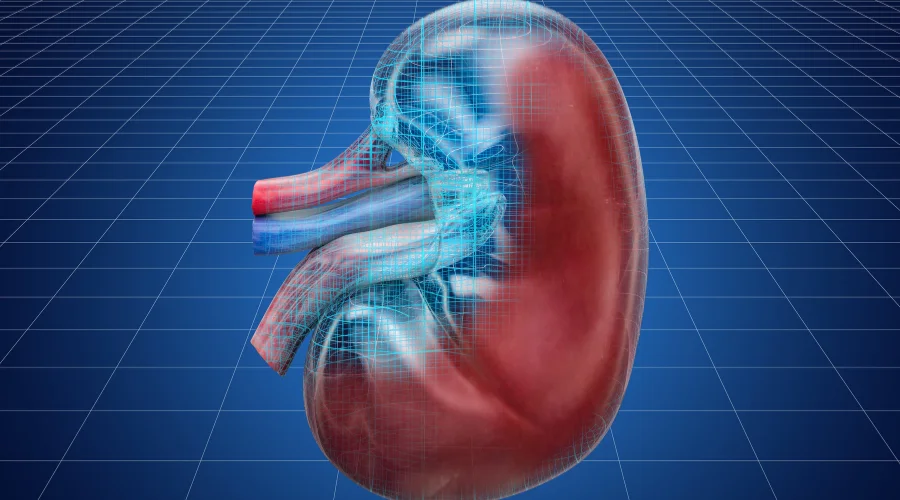
When you have Chronic Kidney Disease (CKD), your kidneys damage or do not filter your blood correctly for longer than three months. The kidneys remove waste and excess water from the blood to make urine.
The kidneys also manage blood pressure by helping to regulate the amount of fluids in the blood, make hormones that support bone health, and producing a substance that assists your body to make red blood cells.
As you get older, your kidneys will slowly lose their ability to clean the blood of wastes and excess liquid as well. This could lead to increased amounts of waste and fluid in the blood over time.
Diabetes and high blood pressure are responsible for most cases of kidney disease worldwide and are among the most common causes of kidney disease. If you don’t take care of those issues with your doctor, these risks could continue for years.
In fact, most cases of CKD can be slowed or stopped with early detection and appropriate medical treatment. There are several other things that can cause kidney disease such as glomerulonephritis which inflames the filtering units of the kidneys, chronic infections, and inherited kidney diseases.
➤ Consult Dr. Khushboo Rani | Experienced Nephrologist at Big Apollo Spectra Hospital
How Are the Stages of Chronic Kidney Disease Measured?
CKD staging is primarily based on two major components: estimated GFR (eGFR) and the levels of proteins in your urine.
- eGFR (estimated glomerular filtration rate) – Estimated GFR represents how effectively your kidneys filter out waste from your blood; it is determined by your serum creatinine, age, gender, and ethnicity. The higher your eGFR, the better your kidney function.
- Urine albumin or protein – The presence of protein in your urine indicates that your kidneys have been damaged to an extent where they leak protein into the urine. Even though your eGFR might appear normal, if you see protein in your urine, this can be a signal that there is some impairment of your kidney’s ability to filter waste.
When assessing your kidney disease, factors such as symptoms, the degree to which you maintain healthy blood pressure, your diabetic condition, and your general kidney health may be taken into consideration.
A single abnormal test result will not necessarily confirm a diagnosis of CKD. Typically, the best nephrologist in Patna at Big Apollo Spectra will look for evidence of kidney damage and/or a low eGFR that persists for at least three months prior to rendering a final diagnosis.
| CKD Stage | eGFR Range | What It Means |
| Stage 1 | 90+ with kidney damage | Kidney function is still good, but there is evidence of kidney damage |
| Stage 2 | 60–89 with kidney damage | Mild loss of function |
| Stage 3a | 45–59 | Mild to moderate loss of function |
| Stage 3b | 30–44 | Moderate to severe loss of function |
| Stage 4 | 15–29 | Severe loss of kidney function |
| Stage 5 | Below 15 | Kidney failure |
Stage 1 Chronic Kidney Disease
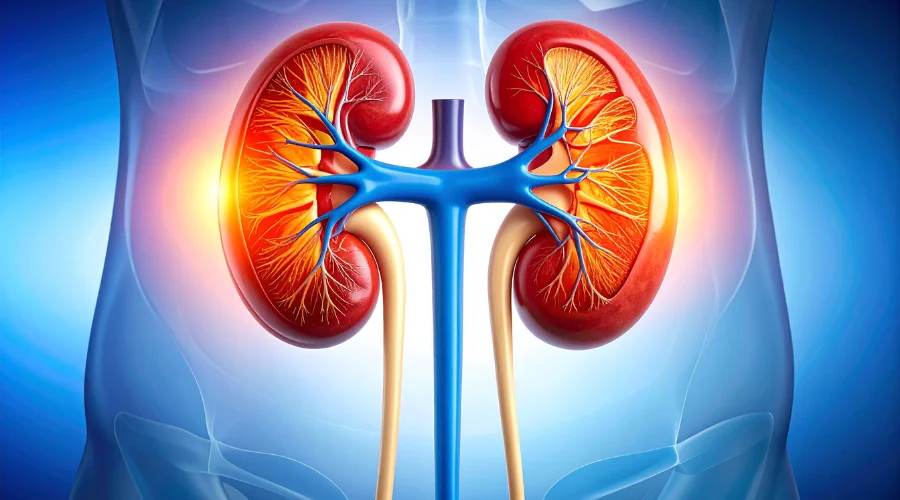
Stage one has an eGFR level of 90 or greater. This represents healthy kidney function. But there will be evidence of kidney disease in early stages in the results of the test.
Evidence includes protein or albumin in the urine, structural issues within the kidney visible on imaging, or unusual readings in urine tests.
Most people experience no symptoms at stage one. Many people don’t know they have damaged kidneys. Most often stage one is found in people with diabetes, high blood pressure, or a family history of kidney disease. Because their eGFR numbers are “normal,” many people find out about the damage to their kidneys from the presence of protein in their urine.
Early detection provides a better opportunity to reduce progression of CKD.
What you can do:
- Carefully monitor blood sugar and blood pressure
- Carefully monitor salt intake if recommended by doctor
- Do not self medicate for pain and avoid using unnecessary pain killers, which could cause damage to kidneys
- Repeat all the kidney tests as ordered by the doctor
You should also ask your doctor if kidney disease can be reversed at this early stage. Measures via medications and lifestyle changes may protect your kidney function and prevent further damage.
Managing high blood pressure-related kidney damage is hard work. You need to continue working closely with the healthcare team while maintaining the blood pressure at target levels and adhering to any nutritional recommendations.

Stage 2 Chronic Kidney Disease
Stage 2 is a classification in which your eGFR is between 60 – 89 (indicating some reduction in kidney function), while you experience kidney damage.
At this time you will be experiencing mild reduction in kidney function; however, it is very likely that you will be feeling perfectly fine and will not notice any symptoms whatsoever.
Most individuals who develop stage 2 chronic kidney disease discover about the condition through the use of routine screening procedures for diseases such as diabetes and/or hypertension.
Your doctor may perform kidney tests if you have had multiple episodes of Urinary Tract Infections (UTIs), kidney stones, or uncontrolled high blood pressure. It is these kidney tests that most commonly identify stage 2 chronic kidney disease.
Stage 2 is characterized by the absence of obvious symptoms. Therefore, many times patients do not realize there is an issue until after being tested.
At this time, the focus shifts to slowing down the loss of kidney function. Controlling risk factors continues to become a priority. Your physician may prescribe medications designed to help prevent further loss of renal function; provide guidance regarding dietary modifications; and schedule follow-up appointments more frequently than previously.
Most patients are initially shocked to find out that they have developed stage 2 chronic kidney disease since they were feeling good.
Understanding the potential silent symptoms of kidney disease even though they can be non-existent is essential in taking proactive steps prior to developing additional damage. Monitoring on a regular basis is the patient’s best defense at this point.
Stage 3 Chronic Kidney Disease
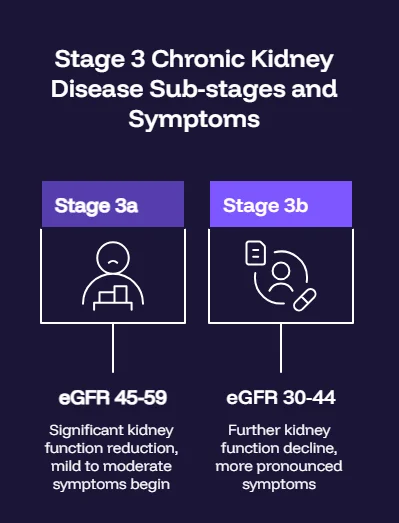
This is one of the most critical stages because this is where most patients are first diagnosed. There are really two sub-stages here.
The sub-stage 3a has an eGFR of 45-59, while the sub-stage 3b has an eGFR of 30-44. Your kidney function is significantly reduced in each sub-stage, and many patients can expect to experience mild to moderate symptoms. It is during this time that you can clearly see differences in how you feel.
Symptoms you may experience:
- Tiredness or fatigue that makes everyday tasks harder
- Swelling in your feet or ankles (or sometimes puffiness in your face)
- Changes in how often you urinate or the color of your urine
- Poor appetite or a metallic taste in your mouth
- Weakness or muscle cramps, especially at night
- A mild rise in blood pressure that is harder to control with medicines alone
Your lab values can be abnormal, including low red blood cell counts, high potassium levels, or problems with your calcium and phosphorus levels. All of these things occur due to your kidneys inability to monitor these substances as well as they did prior to the onset of chronic kidney disease.
You must work very closely with your healthcare provider at this point as your symptoms of poor kidney function will continue to progress. The sooner you work with them; the better your kidney health will be in the future as well.
Important note: Stage 3 does NOT mean automatic dialysis. However, you have been identified as being at risk of progression and require close monitoring and adherence to your risk factor reduction program. Many individuals successfully live well for many years after stage 3 CKD diagnosis if they adhere to their treatment plan.
What you should do at this stage:
- Regularly schedule follow-up appointments with a nephrologist (kidney specialist)
- Schedule regular checks of your blood pressure, blood glucose, creatinine, and urine protein.
- Discuss your medications with your doctor to determine whether there are medications that may harm your kidneys.
- If recommended by your nephrologist, follow a kidney friendly diet.
➤ Book an Appointment with Dr. Khushboo Rani (Nephrology Specialist)
Stage 4 Chronic Kidney Disease
Your kidneys will continue to deteriorate in chronic kidney disease stage 4. The estimated glomerular filtration rate (eGFR) ranges from 15 to 29. At this point, your kidney has suffered significant damage.
It is possible for symptoms of chronic kidney disease to become apparent as well as possible complications. A Nephrologist should monitor your progress closely.
Some chronic kidney disease symptoms and complications include:
- Edema (swelling) of your legs, ankles or around the eyes
- Fatigue and weakness that limits your ability to perform normal activities
- Loss of appetite or nausea/vomiting
- Anemia (low red blood cell count) resulting in fatigue
- Abnormal electrolytes (sodium, potassium or phosphorus levels in your blood)
- Poorly controlled hypertension despite being on several medications
- Shortness of breath due to fluid retention
At stage four, your body is unable to effectively remove fluids, waste products and minerals.
Your doctor may order several medications to help manage blood pressure, anemia and phosphorus as well as attempt to stabilize the decline of your renal function. You’ll likely also get ACE inhibitors or ARBs which have been demonstrated to slow CKD progression when appropriately utilized.
What you will need at this stage:
- More frequent blood and urine tests (often every 2–3 months)
- A thorough review of all your medicines to make sure they are working and not causing harm
- Careful diet changes based on your potassium, sodium, phosphorus, and protein needs
- Planning ahead for advanced kidney care options if your kidney function keeps falling
Your doctor will also begin discussing what managing hypertensive kidney disease looks like long-term, and whether you might eventually need dialysis or a transplant. This conversation happens early so you and your family have time to understand your options and prepare emotionally and practically.
Stage 5 Chronic Kidney Disease

Your kidneys are failing at this stage. At stage 5, your eGFR level is usually under 15; therefore, your kidneys can perform no better than 15% of what they were capable of performing normally.
As a result, you may be experiencing much more severe symptoms than those experienced by individuals at lower stages of kidney disease. It also can be difficult for your body to filter waste products and remove excess fluids.
Symptoms associated with stage 5 kidney disease include:
- severe tiredness and muscle weakness
- swollen legs, swollen feet, swollen hands; occasionally swelling of the face
- nausea and vomiting; poor appetite
- shortness of breath after exertion;
- poor appetite; unintentionally losing weight
- Difficulty sleeping through the night
- some people experience a reduction in urine output (and others may find themselves having to get up during the night to use the bathroom)
Important Note: Not all individuals who reach stage 5 kidney disease require dialysis or a kidney transplant. The decision regarding whether to initiate dialysis or if some form of supportive care is appropriate for you will depend upon the nature and severity of your symptoms, laboratory test results, degree of fluid overload, overall condition of your body and your quality of life.
There are individuals whose CKD is advanced enough to warrant stage 5 classification who continue to thrive for an extended period of time without initiating dialysis. Their quality of life is supported through careful monitoring and ongoing medication management.
Early treatment of chronic kidney disease throughout stages 1-4 may have delayed or prevented you from reaching stage 5. But if you are now at this stage, remember that your medical team has many options to help you live a good quality of life.
What Factors Cause CKD to Progress from One Stage to the Next?
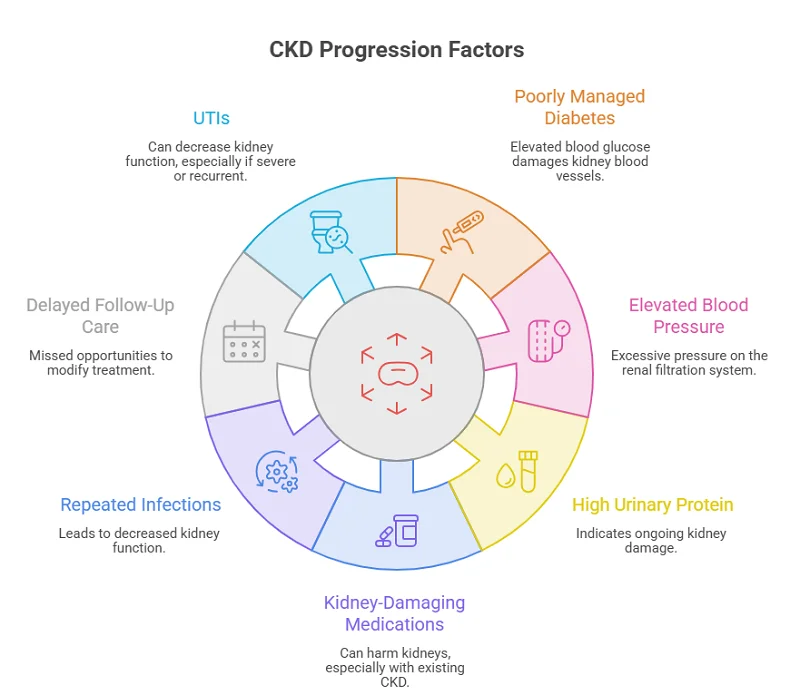
CKD doesn’t always progress at the same rate. While some individuals remain in the same stage for many years, others experience much faster progression to the next stage. Identifying those factors which cause rapid progression gives you the ability to better manage your health.
Factors which may increase the rate of CKD progression include:
- Poorly managed diabetes. Elevated blood glucose levels damage small blood vessel walls within the kidneys. Thus, managing your blood glucose level is among the most effective ways you can prevent CKD progression.
- Elevated blood pressure. Excessive blood pressure creates additional pressure on the renal filtration system. Maintaining target blood pressure is essential to controlling CKD.
- High levels of protein in urine. High urinary protein is indicative of continued kidney damage. Dietary changes, as well as medications, can reduce this.
- Repeated infections of the kidneys or frequent occurrence of kidney stones. The repeated exposure of the kidneys to infection and/or the repeated formation of kidney stones will lead to decreased kidney function.
- Medications that damage the kidneys. Certain antibiotics, pain relievers and contrast dye used in medical imaging studies can damage kidneys; particularly, in individuals who already have damaged kidneys due to CKD.
- Delayed follow-up care. Failure to maintain scheduled appointments and check your kidney function can mean missing an opportunity to modify your treatment plan to prevent entering into the next stage.
UTIs (urinary tract infections) can affect kidney function; particularly, when UTIs occur repeatedly or become severe. Proper hygiene practices, adequate hydration and timely treatment of UTI-related symptoms can help protect against kidney damage.
Can CKD Progression Be Slowed Down?
Generally, yes; however, the earlier you take action on this issue and follow your plan for managing your condition, there may also be a possibility that your CKD progression could stop altogether.
There’s a common question regarding whether you can slow down the progression of kidney disease via dietary means. Diet is an extremely important aspect of managing CKD.
While controlling sodium, potassium & phosphorus will be critical based upon your declining kidney function, medication and managing high blood pressure and/or diabetes holds equal, if not more, importance.
➤ Book an Appointment at Big Apollo Spectra Hospital for a Personalized Stage-Based Treatment Plan
Steps to Slow/Prevent Progression:
- Manage your blood sugars and blood pressure. This is the #1 thing you can do. Follow through with your doctors’ recommendations so that you can get your levels under control & follow your prescription regimen.
- Take your medications as directed by your nephrologist. Research has shown that certain medications such as ACE inhibitors, ARBs & SGLT2 inhibitors (specifically used in patients who have diabetes) may have positive effects in slowing the progression of CKD.
- Limit sodium in your diet. If you consume excessive amounts of sodium in your daily meals, it can increase your blood pressure and proteins in your urine. Your nephrologist and/or a registered dietitian can give you guidance regarding sodium limitations.
- Drink enough water to keep yourself hydrated but don’t drink excessive amounts. Discuss hydration with your physician to determine how much is appropriate.
- Quit smoking. Smoking damages arteries and accelerates the progression of kidney disease. Quitting is possibly one of the healthiest choices you can make.
- Use caution when using OTC pain killers. Using excessive amounts of non-prescription pain relievers, i.e., ibuprofen & naproxen can cause damage to your kidneys, particularly if you currently have kidney disease. Consult w/your doctor prior to taking these types of medications.
- Have all lab work completed as scheduled. Repeating blood & urinalyses provide your physician w/a tool to evaluate the treatment’s effectiveness and identify potential areas where adjustments may need to be made.
- Consult a nephrologist when indicated. A nephrologist can review and modify your treatment plan and potentially detect early signs of complications.
Your individualized kidney diet can also play a role in supporting your overall management of CKD. Consult with a certified and registered renal dietitian to establish a diet that meets the needs of your specific stage of CKD.
When Should You See a Nephrologist?
Not everyone with CKD needs a nephrologist. However, there are clear signs that you should have specialist evaluation:
- Your kidney tests stay abnormal for three months or more (indicating confirmed CKD)
- Your eGFR is falling and you have concerns about progression
- Protein appears in your urine
- You have swelling, weakness, shortness of breath, or other symptoms of kidney disease
- Your diabetes or high blood pressure is hard to control with your current medicines
- Recurrent urinary tract infections, kidney infections, or kidney stones are affecting your kidney health
- You are approaching stage 4 (eGFR below 30) or stage 5 (eGFR below 15)
The primary function of a nephrologist is to treat and assess individuals who are suffering from kidney diseases. This includes reviewing your lab test results and developing appropriate medicine dosages as well as creating a diet that is suitable for a person with kidney disease.
In addition, a nephrologist will be able to provide information on how to prepare for additional treatments which may include dialysis or transplantation.

It is recommended to see a nephrologist as soon as possible if you are experiencing diabetes, high blood pressure, kidney stones, and repeatedly abnormal test results. Early assessment by a nephrologist will aid in preserving your kidneys function and prevent potential long-term damage.
Dr. Khushboo Rani is an experienced Nephrologist at Big Apollo Spectra Hospital and has experience in managing Chronic Kidney Disease (CKD), Dialysis Care, and Post-transplant care.
If you would like to develop a customized care plan related to your kidney health, consult a nephrologist at Big Apollo Spectra Hospital to discuss your kidney health and create a personalized care plan tailored to your needs.
FAQs
Following are some of the CKD related questions people have about the stages and the possible treatment options.
1. What are the 5 stages of chronic kidney disease?
The five stages of chronic kidney disease measure kidney function from normal (stage 1) to failing kidneys (stage 5) using the estimated glomerular filtration rate (eGFR). Moderate loss is broken down into two sub-stages, 3A and 3B.
2. Is stage 3 kidney disease serious?
Stage 3 is moderately serious and needs to be closely monitored. This stage doesn’t always signal that you will need dialysis, but rather it means you will need active treatment and to make some lifestyle changes.
3. What is the life expectancy of someone with stage 4 kidney disease?
Life expectancy is determined by several factors such as age, overall health, diabetic control, and level of compliance with treatment. With proper management, many people live for years with stage four.
4. Can CKD be cured?
CKD is generally irreversible, however, there is hope that progression can be halted, if early intervention is made, such as blood pressure control, blood sugar management and a healthy lifestyle.
5. What are the three early warning signs of kidney disease?
The first three warning signs of kidney disease are proteinuria (determined by a test), high blood pressure, and an elevated creatinine level. Most patients have little to no symptoms until much later.
6. What foods should you avoid with kidney disease?
While we recommend avoiding high sodium food products, processed meats and foods high in potassium and phosphorus when in later stages of kidney disease, we encourage you to consult a renal dietitian who can provide specific guidance regarding your stage.
7. What stage of kidney disease is considered serious?
Stage 4 and stage 5 are both considered serious and will require closer attention from specialists. However, since stage 3 also has serious implications that demand careful planning to prevent further progression, and stage 3 is also serious.
8. Can stage 3 kidney disease be treated without dialysis?
Yes, most of the time stage 3 can be treated without going on to dialysis using medications, diet, lowering blood pressure, and controlling blood sugar.
9. Does stage 1 kidney disease cause symptoms?
Generally, no. Since this condition usually presents itself without symptoms it may be discovered incidentally during a regular medical checkup.
10. How is chronic kidney disease diagnosed?
Chronic Kidney Disease (CKD) diagnosis comes from results of blood tests (e.g., eGFR and Creatinine) and urinalysis (protein or Albumin). Blood tests will show CKD exists after repeat testing.
11. How long does it take to go from stage 3 to stage 4 kidney disease?
The length of time before progressing from stage 3 to stage four will vary greatly. Some people remain in stage three for many years. Others progress from stage three to stage four very quickly. Maintaining good blood pressure and blood sugar control slows the progression.
12. How long does it take to go from stage 4 to stage 5 kidney disease?
The time frame for progression from stage four to stage five varies greatly depending upon the cause of CKD, whether the patient manages their diabetes/blood pressure well. Monitoring closely allows for earlier adjustments to the treatment plan.
Take Action Today to Halt CKD in Its Tracks
Understanding how the stages of Chronic Kidney Disease (CKD) progress will empower you to be proactive about your health.
Each stage from Stage 1 (which represents normal kidney function but shows early kidney damage through tests) to Stage 5 (which indicates kidney failure), tells you about where your kidneys’ health are at this time as well as what steps you should take to proceed.
You may experience no symptoms during Stages 1 & 2; however, because they are silent symptoms, it is very important to undergo regular screening, particularly when you have diabetes or hypertension as well as if there is a history of kidney disease within your family.
In order to slow down CKD progression and avoid complications, those who fall into Stages 3-5 need to monitor their condition more closely and create a strong plan of action regarding their treatment.
There is positive news, though. By diagnosing CKD early, controlling your diabetes and your blood pressure, and developing healthy habits that are good for your kidneys, you can significantly reduce, and in some cases, completely halt the rate of CKD progression. You are capable of influencing the potential outcome of your CKD through the decisions you make today.
Do not delay contacting a kidney specialist if your most recent laboratory work-up reveals an abnormal result on your kidney tests, or if you are experiencing symptoms such as fatigue, swelling, or changes in urination.
Your earliest opportunity to act in the favour of protecting your kidney function and maintaining your quality of life for years to come is now.