
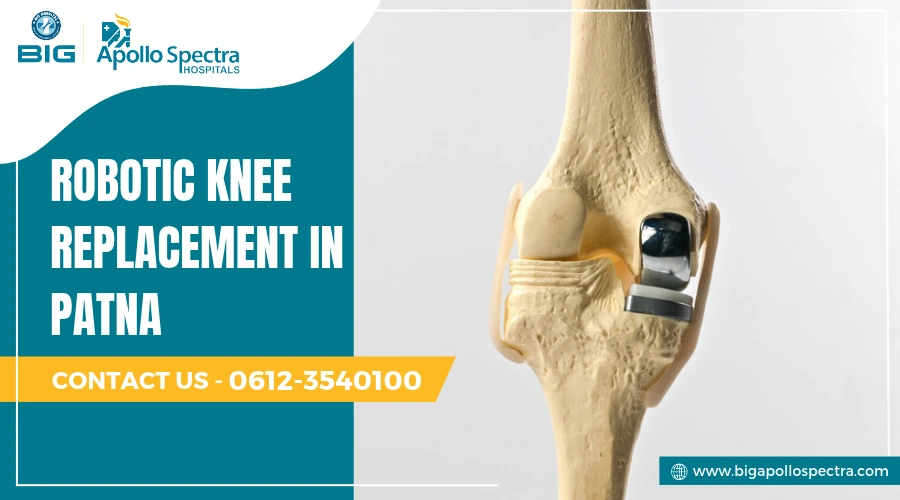
If you are currently experiencing difficulty walking or climbing stairs due to knee pain, chances are that you have seen Robotic-Assisted Technology mentioned as a possible treatment option.
This is a technology-assisted method for performing a Knee Joint Replacement Surgery that is considered for those patients suffering from significant knee damage and chronic pain.
Problems like these limit your ability to perform your daily routine. Before making any type of decision regarding which treatment options are best for you, you will need to see a qualified specialist for a complete assessment. This is exactly what this guide provides you with.
Let’s take a closer look at just what Robotic Knee Replacement entails.
Robotic Knee Replacement in Patna
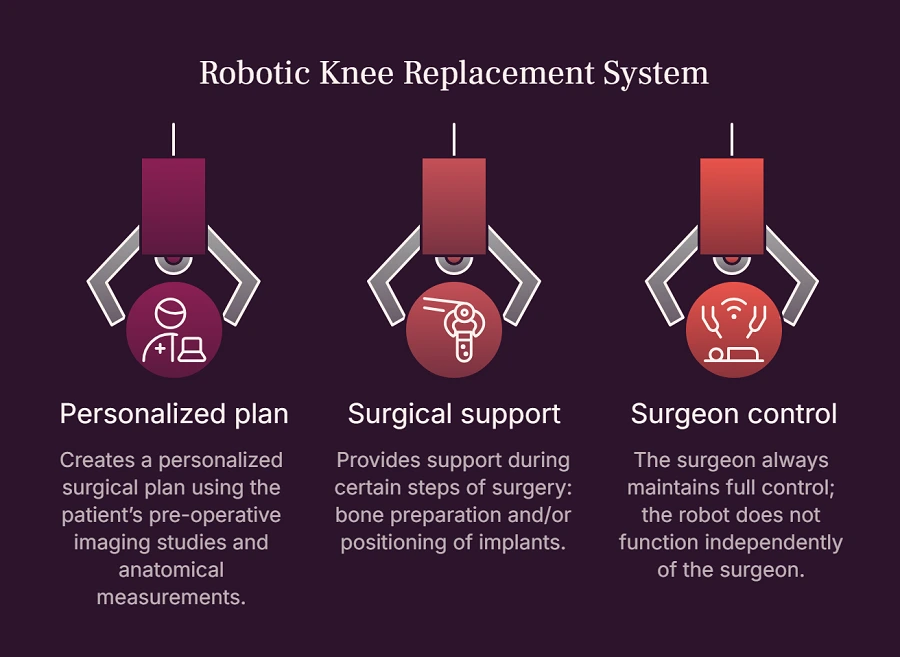
The use of robotic knee replacement combines the surgeon’s clinical judgment with both computer assisted planning and robotic assistance.
The system allows surgeons to create a personalized surgical plan using the patient’s pre-operative imaging studies and anatomical measurements. The system also provides support during certain steps of the surgery (bone preparation and/or positioning of implants).
As mentioned above, the surgeon always maintains full control of the surgery. The robot does not function independently of the surgeon. Instead, the robot functions similarly to how a GPS device assists a driver without taking over the actual driving process.
Therefore, it is up to your physician to determine if robotic knee replacement is right for your case after he/she conducts a comprehensive clinical evaluation of your joint condition and overall health status.
When you experience chronic knee pain, do not rush into thinking about surgery before understanding why you have it. First, you need to get a proper diagnosis so that you know what is causing it. Our guide on knee pain treatment discusses the most common reasons for knee pain and how they are usually treated.
After you know what caused your knee pain, your doctor will be able to advise you whether robotic knee replacement in Patna would be beneficial for you. As we all know there are many people who may qualify for this type of surgery, but it is ultimately up to your physician to decide.
Who May Need Robotic Knee Replacement?
Not every case of knee pain calls for surgery, let alone a robotic-assisted one. Your knee specialist doctor typically considers this procedure for patients who have:
- Advanced osteoarthritis with significant cartilage loss
- Persistent pain that limits daily activities like walking or climbing stairs
- Joint damage confirmed through imaging and clinical examination
- Little to no relief from medications, injections or physiotherapy
In cases of arthritis patients, the first approach is usually non-invasive treatments; then we consider knee arthritis surgery only if all other treatments fail.
Read arthritis treatment in Patna to find out the non-surgical way to treatment before joint replacement is even considered.
If you are wondering whether age alone is an indicator of whether you are ready for surgery, know that it isn’t. In addition, chronic pain is no indicator of being ready for surgery either. We evaluate both clinical evidence and daily impact on the patient’s life together with regards to determining when a patient is ready for surgery.
When surgery has been decided upon, understanding the steps involved in a robotically assisted procedure will help.

How Does Robotic-Assisted Knee Replacement Work?
Broadly speaking, robotic-assisted knee replacement procedures follow a fairly consistent format – preoperative evaluation, surgical plan based on imaging data, robotic-assisted bone preparation to stay within the limits of the original surgical plan, placement of implants, and lastly, a review by your surgeon before closure of the incision site.
The specific technology and workflow can differ depending on the hospital at which you are receiving care. For a detailed overview of what each step looks like during a typical operative session, see our detailed guide on “What Is Robotic Knee Replacement“.
Understanding the overall framework is helpful, however many patients would like to compare and contrast this type of surgery to a traditional surgery that family members or friends have previously undergone.
Robotic vs Conventional Knee Replacement: What Is the Difference?
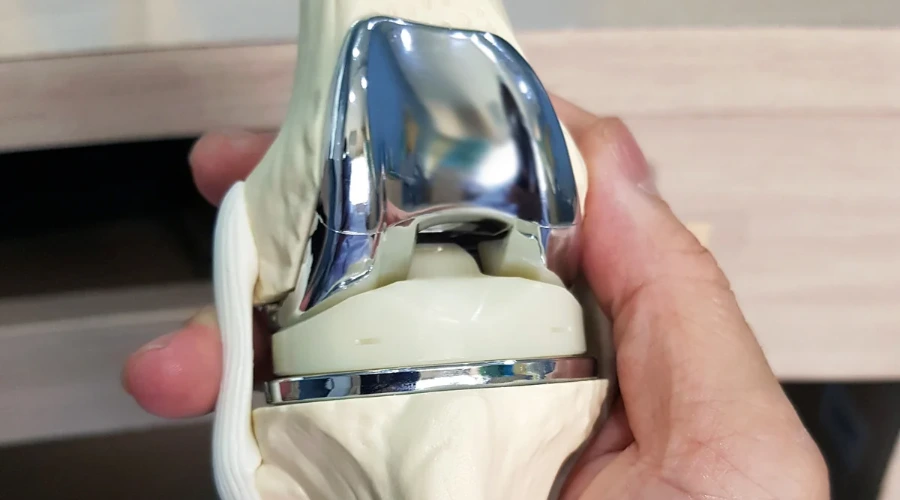
The difference is in how each type of replacement knee procedure is planned & executed. In traditional knee replacement, the alignment of the replacement knee implant is determined manually by your surgeon.
In a robotic-assisted knee replacement, the surgical plan is developed prior to the operation using computer guidance and then the robot supports both the cutting of bone & placement of the replacement knee implant during surgery.
While both methods are designed to help eliminate pain and restore range of motion, robotic assistance does not inherently mean safer surgery for all patients. Rather, it provides additional accuracy and precision for those specific cases where they would be most beneficial.
Ultimately your surgeon will determine whether you should have a traditional or robotic-assisted knee replacement based on your individual case, including your medical history, the imaging of your knee, and current health status.
To learn more about advanced knee replacement technology and schedule an appointment with our expert knee replacement surgeon in Patna, Dr. Amit Kumar Sinha, an orthopedic surgeon in Patna, Bihar recognised as the state’s first National Board Certified Joint Replacement Surgeon.
What Are the Potential Benefits of Robotic Knee Replacement?
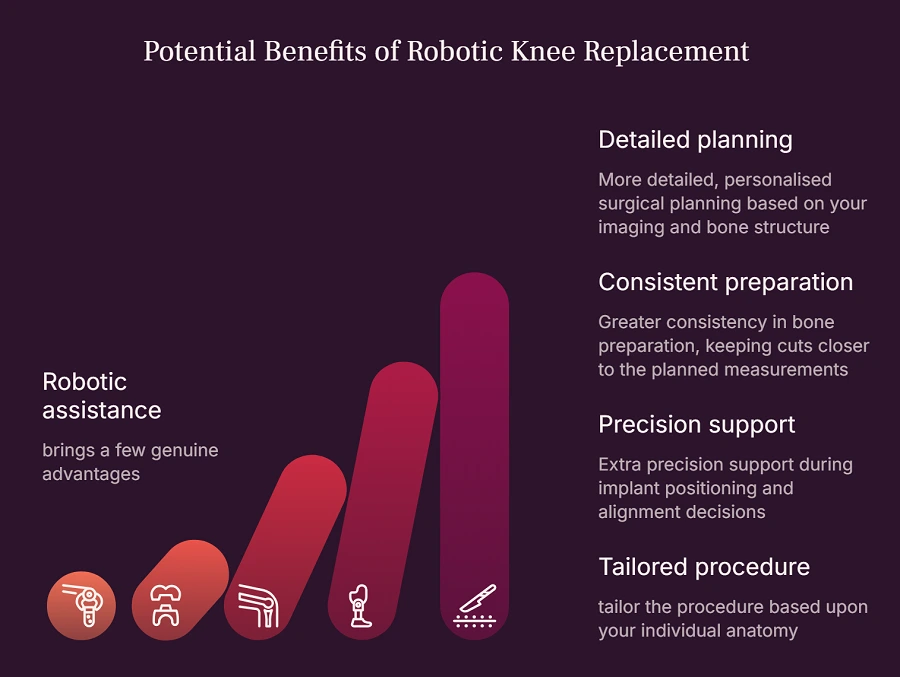
Robotic assistance brings a few genuine advantages, though how much they matter varies case by case:
- More detailed, personalised surgical planning based on your imaging and bone structure
- Greater consistency in bone preparation, keeping cuts closer to the planned measurements
- Extra precision support during implant positioning and alignment decisions
Some of these factors allow your surgeon to tailor the procedure and perform the operation based upon your individual anatomy. The bottom line regarding results, however, remains based upon the extent of your pre-existing joint degeneration, the skill level of your surgeon, and your adherence to the recommended rehabilitation program.
No one can provide guarantees regarding pain-free results, achieving a quicker recovery time than others, or providing an implant that lasts longer than someone else’s. What the latest technologies offer is a new tool, and many things still depend on the individual case.
Understanding the potential positive outcomes of utilizing technology to assist surgeons, however, provides only half of the picture. Equally important is understanding what could potentially go wrong.
What Are the Risks and Limitations of Robotic Knee Replacement?
Using robotic assistance during a knee replacement operation does not automatically eliminate the typical risks associated with any type of knee replacement.
Examples of those risks include infection at the site of the surgery, formation of blood clots, development of joint stiffness, or continued persistent pain despite having performed a technically successful operation, implant-related complications, and anesthesia-related risks.
While the robot-assisted systems do provide additional accuracy during certain steps involved in the process of replacing a knee joint, there are no assurances that the inherent risks associated with performing surgery have been eliminated by the use of robotic systems.
In addition, robotic-assistance is not necessarily required or indicated for every patient. To view some examples of common complications that occur following knee replacement operations and their management, please refer to our blog on knee replacement surgery complications for a complete outlook.
Ultimately, the decision as to whether robotic-assistance is appropriate for each patient will depend upon weighing the potential advantages versus disadvantages and then consulting with their surgeon.
How Much Does Robotic Knee Replacement Cost in Patna?
It is the combination of several factors that will result in a variable final price, not one set price. These include the type of implant, the surgical technology used, facility costs (i.e., hospital facility expenses), surgeon’s costs, pre-surgical testing costs, post-surgical hospital costs, and rehabilitation costs, all of which are included as part of the total charges billed to your insurance or you.
The cost of total knee replacement surgery in Patna can vary based upon the procedure being performed, patient hospitalization, implant selection, and the need for additional care. In addition to the previously mentioned items, robotic-assisted surgery carries its own cost considerations.
Since we do not want to provide a single cost per robotic knee replacement procedure due to the variability in each individual case/hospital; we recommend asking for a complete itemized list of costs during your consultation so you know exactly what you are receiving for your money.

What Is the Recovery Time After Robotic Knee Replacement?
Generally speaking, most people recover from robotic knee replacement surgery in a similar manner. However, everyone recovers at their own rate. Early mobility may be initiated soon after surgery, typically within hours of completion, to avoid stiffening of the knee joint. For the first few days post-operatively, pain management enables patients to safely initiate movement.
While physiotherapy has the greatest impact on regaining strength and restoring range of motion to the affected leg, this process typically occurs gradually over the course of weeks/months as opposed to days.
Scheduled follow-up appointments enable your treatment team to monitor progress and address potential complications before they become significant problems.
Ultimately, every patient heals at his/her own rate. Your personal recovery time is influenced by your physical condition prior to surgery, the strength of the muscles surrounding the knee joint and whether you adhere to your prescribed rehabilitation program.
Recovery goes smoother when you’ve prepared properly beforehand. So let’s rewind to what that preparation actually looks like.
How to Prepare for Robotic Knee Replacement Surgery?
Getting ready for surgery isn’t just about the day itself. A pre-operative assessment covers your medical history, current medications and investigations like blood tests and imaging.
Worth sorting out in advance:
- Review all current medications with your surgeon, including blood thinners
- Complete the investigations your care team has requested
- Prepare your home for recovery, including a comfortable resting area and removed fall hazards
- Discuss your rehabilitation plan and the support you’ll need after discharge
Always follow your surgeon’s instructions on medicines, food and activity before surgery. Don’t stop any prescribed medication on your own without medical advice.
With preparation covered, the last practical question is where you should actually go for this kind of surgery.
Where to Get Robotic Knee Replacement Surgery in Patna?
In addition to choosing the best surgical option (in this case robotic assisted total knee replacement), it is also equally important to choose the best place where you can receive your treatment.
This includes finding an expert in the field of orthopaedics, having access to robotic technology that supports your surgery, being able to select from several implant options for your knee, getting support from an anaesthesiologist for your surgery, and having a well-structured rehabilitation program available to help you recover from your surgery.
The Big Apollo Spectra Hospital located in Agamkuan, Patna brings together experienced surgeons, modern infrastructure and post-operative rehabilitation under one roof. As such, if you are looking at robotic total knee replacement as part of broader knee replacement surgery in Patna, we believe this kind of setup will help your treatment process run smoother.
Not to mention, our orthopaedic hospital in Patna is laced with advanced diagnostic technology that can help you before the surgery as well as in post-operative recovery.
Book an appointment with our orthopaedic team to discuss whether this approach is the right choice for your knee.

FAQs
Prior to making a final determination regarding your care, below are some additional questions which we believe answers many of the queries that patients want answered.
1. Is robotic knee replacement better than conventional surgery?
Not universally. Both aim to relieve pain and restore function; the right choice depends on your knee and your surgeon’s judgement.
2. Does everyone qualify for robotic knee replacement?
No. It’s usually considered for advanced arthritis or significant joint damage, after a proper clinical assessment.
3. How long does robotic knee replacement take?
It varies by case complexity and the extent of joint damage. Your surgeon can estimate this after reviewing your imaging.
4. What determines the price in Patna?
The implant, robotic technology used, hospital stay and rehabilitation needs. Ask for a detailed breakdown at your consultation.
5. How long does recovery take?
Mobilisation starts within hours, with steady improvement over weeks to months through physiotherapy.
6. Does robotic knee replacement reduce post-operative pain?
It may support more precise cuts and alignment, but pain levels still depend on healing and rehabilitation. No outcome is guaranteed.
7. How long can a knee replacement implant last?
Many function well for over a decade with proper care, depending on implant type, activity level and rehabilitation.
Ready to Take the Next Step?
Robotic technology gives your surgeon added planning and precision tools, but the outcome still rests on clinical judgement, patient selection and rehabilitation. If persistent knee pain or advanced joint damage has been holding you back, it’s worth getting a proper orthopaedic evaluation rather than guessing at your options.
Consult Dr. Amit Kumar Sinha at Big Apollo Spectra Hospital, Patna, for a robotic knee replacement consultation tailored to your condition. Book Appointment today and take the first step toward moving without pain.