
Millions of people worldwide experience knee pain, which disrupts their ability to perform daily activities while diminishing their quality of life.
Whether you’re someone who has experienced sports injuries or you have age-related joint changes, you need to understand the source of your pain because this knowledge alone can lead to better treatment results. The condition affects people across different age groups, including young athletes and elderly adults, thus becoming a leading complaint in orthopedic practices.
This guide provides complete information about knee pain causes and prevention strategies while exploring the available treatment options based on your condition. By the end, you’ll know all the possible reasons for your knee pain as well as when you should schedule an appointment with the bone specialists at Big Apollo Spectra for professional evaluation and care.
Understanding the causes and treatment strategies will enable you to seek proper knee care and take proactive steps for recovery and prevention.
7 Most Common Causes of Knee Pain Explained
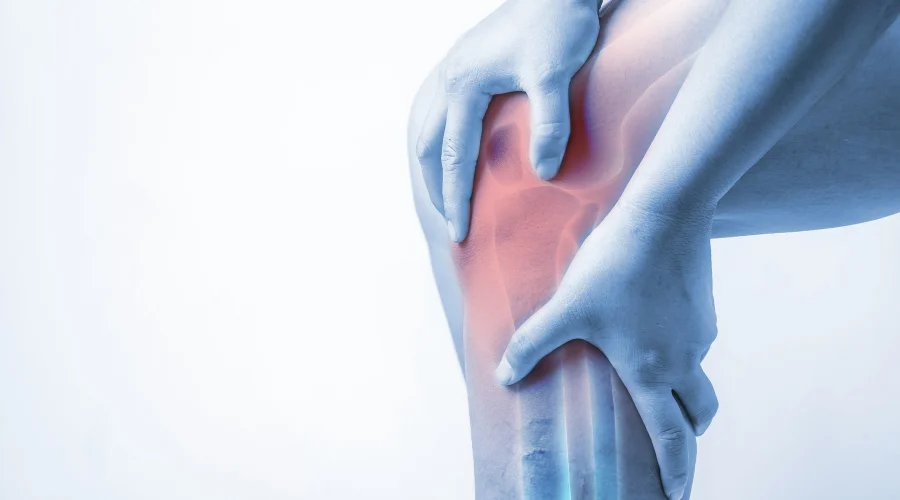
Your knee can experience pain because of multiple factors including sudden injuries and long-term degenerative diseases. The identification of proper treatment methods depends on understanding different causes of knee pain as well as determining when to seek professional medical help.
The following section examines each cause separately to explain its unique characteristics and treatment protocols.
1. Osteoarthritis (Wear-and-Tear)
Osteoarthritis is the primary form of arthritis that affects adults aged 50 and above. The degenerative process of osteoarthritis causes cartilage deterioration which results in bone contact during joint movements.
The condition advances gradually through initial light discomfort which becomes more severe with time. The development of this condition depends on some of the main factors which include age-related progression, past joint injuries, being overweight, having a family history of the condition, and putting repetitive stress on the knee joint due to occupational activities or sports.
Your best bet is to keep a record of your symptoms, which are usually characteristic in these conditions, and search for a “bone hospital near me”. The healthcare professional will usually ask about your physical symptoms first which help doctors diagnose and create treatment plans.
Typical symptoms:
- Morning stiffness lasting less than 30 minutes
- Pain that worsens after prolonged activity
- The knee produces a grinding sensation (crepitus) when moving.
- Reduced range of motion
- The joint becomes swollen during the periods of flare-up.
- The pain becomes less intense when you rest.
When to see a doctor: Consult a doctor when knee pain disrupts your ability to perform daily tasks or when you experience major swelling and stiffness.
2. Ligament Injuries (ACL, MCL, PCL, LCL)
The knee experiences ligament injuries when people make sudden turns or pivot movements or when they receive direct blows to their knee area.
The ACL (Anterior Cruciate Ligament) experiences the most sports-related injuries but MCL (Medial Collateral Ligament) injuries occur when someone experiences direct blows to the outside of their knee.
The extent of ligament injuries determines the required treatment since they can span from minor stretches to complete tears. The injury produces an instantaneous “popping” sound followed by rapid swelling and instability.
Typical symptoms:
- The injury causes severe pain which starts right away
- Rapid swelling within hours
- The knee feels unstable because of a sensation of instability or “giving way.”
- Inability to bear full weight
- Limited range of motion
- Tenderness along the ligament line
When to see a doctor: Seek immediate medical help when you cannot bear weight or when swelling becomes severe or when you experience pronounced instability.
3. Meniscal Tears (Cartilage)
Meniscal tears affect the C-shaped cartilage pieces that function as shock absorbers between the thigh and shin bones. The knee experiences twisting or rotating movements while the foot stays planted, which leads to meniscal tears, most commonly during sports activities and even during regular activities of older adults.
Meniscal tears develop through two different mechanisms: they can develop gradually or they can progress from degenerative changes that happen over time. The location and pattern of the tear help doctors decide between non-surgical management and surgical procedures for treatment.
Typical symptoms:
- Sharp pain along the joint line
- Catching or locking sensation
- The knee cannot extend to its full straight position.
- Swelling that develops gradually
- The knee experiences pain when you perform twisting or rotating movements.
- Feeling of the knee “giving way”
When to see a doctor: You should consult a doctor if the knee locks in position or you cannot extend it fully or if the pain continues for more than a few days.
4. Patellofemoral Pain Syndrome / Runner’s Knee (PFPS) and Chondromalacia
Patellofemoral pain syndrome affects the area where the kneecap meets the thigh bone, usually caused due to activities like running, cycling, and jumping sports. The condition develops through overuse due to the improper tracking of the kneecap during movement because of muscle imbalances and biomechanical problems.
The cartilage beneath the kneecap deteriorates in Chondromalacia, which produces similar symptoms and shows distinct structural changes during imaging tests.
Typical symptoms:
- Pain behind or around the kneecap
- The knee experiences pain when you climb stairs or when you remain seated for extended periods.
- The knee produces a grinding sensation when you move it
- The pain becomes more intense and worsens when you perform physical activities.
- The knee experiences discomfort after spending time in a seated position.
- Squatting or kneeling causes knee pain.
When to see a doctor: If pain persists despite rest and activity modification, or if it significantly limits your activities.
5. Tendinopathy & Bursitis (Jumper’s Knee, Prepatellar Bursitis)
Athletes who participate in jumping sports develop patellar tendinopathy, also known as jumper’s knee, although this condition also affects people who experience repetitive stress at work. The condition develops when the tendon that links the kneecap to the shin bone experiences either inflammation or degeneration.
The prepatellar bursa located in front of the kneecap develops inflammation which leads to Prepatellar bursitis, also called the housemaid’s knee. This happens when someone kneels for extended periods or experiences direct blows to this area.
Typical symptoms:
- The area below the kneecap experiences pain from tendinopathy while bursitis causes pain in front of it.
- Tenderness to touch
- Swelling and warmth
- The pain intensifies when you perform jumping activities or climb stairs.
- The knee becomes stiff after spending time without movement or after periods of rest.
- The bursitis condition leads to noticeable swelling.
When to see a doctor: If symptoms don’t improve with rest and conservative measures within a few weeks.
6. Overuse & Repetitive Strain (IT Band Syndrome, Stress Reactions)
The outside of the knee experiences pain from IT (Iliotibial) band syndrome which commonly affects runners and cyclists. The condition emerges when people make training mistakes or there’s biomechanical issues or insufficient time for recovery between activities.
The bones surrounding the knee develop stress reactions because of both rapid activity progression and insufficient recovery time between repetitive loading
Typical symptoms:
- Pain along the outside of the knee
- The pain begins during activity and continues even after you stop.
- The IT band is tender upon pressing
- Running downhill and on uneven surfaces triggers pain.
- The knee becomes stiff after periods of inactivity or rest.
- Symptoms develop gradually over time.
When to see a doctor: Consult a doctor when pain fails to improve through rest and activity changes during a 2-3 week period.
7. Systemic & Less Common Causes (Rheumatoid Arthritis, Gout, Infections, Tumors)
Systemic conditions cause knee pain which needs urgent medical care, although they occur less commonly. The inflammatory process of rheumatoid arthritis damages joints while gout develops from uric acid crystal formation. Medical emergencies like infections and tumors require immediate treatment.
The symptoms of these conditions differ from typical knee pain, and they usually present with red flag symptoms
Red flag symptoms:
- The combination of joint swelling with fever and redness requires immediate medical attention.
- The condition develops into severe swelling at a fast rate.
- The intense nighttime pain disrupts your ability to sleep.
- Unexplained weight loss
- Multiple body areas experience joint pain.
- The skin shows changes and rashes.
When to see a doctor: Seek immediate medical care when you have joint swelling with fever or when night pain becomes severe with additional concerning symptoms.
The diverse causes of knee pain demonstrates why patients need thorough diagnostic procedures. The identification of a particular condition and its characteristics enables healthcare professionals to choose suitable treatments and also helps determine when patients need immediate medical professional assistance.
How Knee Pain is Diagnosed?
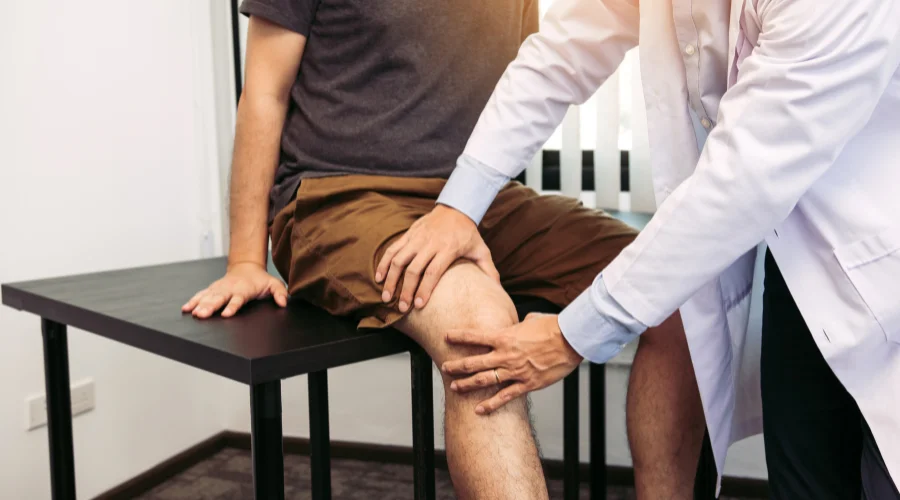
Your doctor starts knee pain diagnosis through a complete clinical assessment which includes symptom evaluation, medical history review, and physical examination results. The examination process includes three main components which are:
- assessing range of motion,
- stability tests,
- and identification of painful or swollen areas that help diagnose specific conditions.
The presence of red flag symptoms including inability to walk or bear weight, fever with joint swelling, and severe nighttime pain requires immediate medical care.
Your doctor will assess how and when symptoms started, their triggers, and any additional symptoms that could point to systemic conditions.
The diagnosis will typically include:
- The doctor will order imaging tests according to the clinical assessment results and suspected medical conditions.
- X-rays serve as the initial imaging test for diagnosing fractures, arthritis, and bone-related issues.
- MRI scans offer detailed images of soft tissues including ligaments, cartilage, and menisci which helps doctors identify tears and structural issues in the knee.
- Blood tests become necessary when doctors suspect rheumatoid arthritis or gout among other systemic conditions.
Big Apollo Spectra offers patients complete diagnostic services through a combination of state-of-the-art imaging technology and specialized orthopedic assessment. Our facility provides patients with same-day imaging services and specialist consultations through an integrated system which accelerates diagnosis and treatment planning.
Our experienced team at Big Apollo Spectra provides complete orthopedic evaluations and individualized treatment plans to address your knee pain needs whenever you need an orthopedic doctor in Patna.
The methodical diagnostic process enables healthcare providers to identify the knee pain underlying cause accurately, which results in improved treatment results and improved joint health over time.
Treatment Options — From Self-Care to Surgery
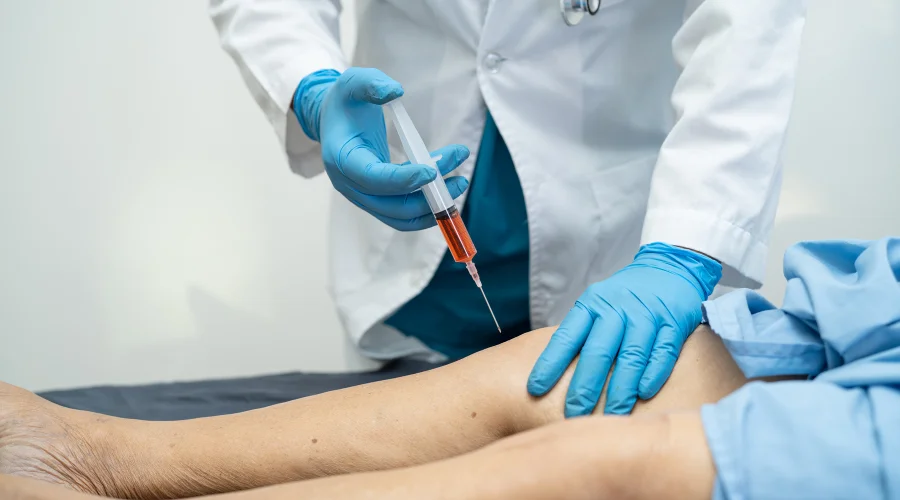
The treatment options for knee pain depend on the specific cause of the pain, the severity of symptoms, and individual factors of each patient. The most effective treatment strategy starts with conservative methods which might progress to invasive procedures to achieve optimal results with reduced complications.
Understanding the complete range of available treatments enables patients to choose their best options while establishing appropriate recovery expectations.
1. Immediate/Self-Care (RICE, Activity Adjustment, Analgesia)
The first step in treating acute knee pain usually requires patients to follow the RICE method which stands for Rest, Ice, Compression, and Elevation. The initial 24-48 hours after injury requires this method to manage swelling and pain.
Patients should stay away from activities that worsen pain but continue with tolerable activities that do not hurt to prevent stiffness from developing.
Acetaminophen and NSAIDs available over the counter help patients manage their pain and decrease inflammation. The initial stages of patellofemoral pain syndrome, minor strains, and mild overuse injuries usually respond well to this conservative treatment method.
2. Physiotherapy & Exercise Prescription
Physical therapy stands as the primary treatment for knee problems that stem from muscle imbalances, biomechanical issues, and chronic pain conditions. The supervised exercise programs focus on strengthening the quadriceps muscles because these muscles play a vital role in maintaining knee stability and proper function.
The healing process of tissues becomes possible through progressive loading protocols which enable tissues adaptation and maintenance of functional capabilities.
The treatment of gait problems and movement training helps patients by fixing their biomechanical issues which lead to pain and reduce the risk of future occurrences. Research shows that physical therapy delivers successful results for treating osteoarthritis and patellofemoral pain while serving post-surgical rehabilitation needs.
3. Medications & Injections (NSAIDs, Corticosteroid, Viscosupplementation, PRP)
The treatment of inflammation and pain in patients employs oral NSAIDs and topical formulations which deliver localized pain relief with reduced systemic side effects.
The anti-inflammatory properties of corticosteroid injections help treat bursitis and arthritis flare-ups although their benefits last only briefly.
The treatment of osteoarthritis with hyaluronic acid injections through viscosupplementation aims to enhance the natural joint fluid in patients. The use of PRP injections with growth factors derived from your blood potentially promote healing but research shows mixed findings for different knee conditions.
4. Bracing, Orthotics, Footwear Modifications
External support devices help patients achieve stability while providing pain relief and protection during their daily activities. The range of knee braces includes basic compression sleeves and advanced hinged devices which treat ligament injuries.
The treatment of knee pain through custom orthotics focuses on fixing biomechanical problems by correcting foot and ankle alignment.
The selection of proper running and athletic footwear determines how much stress the knees experience and how much pain there will be. These interventions function as additional treatments to enhance the effectiveness of other approaches.
5. Minimally Invasive Procedures & Arthroscopy
Through arthroscopic surgery, doctors perform knee examinations and treatments through small incisions using a camera and specialized tools. The surgical procedures performed using arthroscopy include meniscal repair or removal, loose body removal, and cartilage procedures.
The minimally invasive surgical methods provide patients with shorter recovery periods and reduced postoperative discomfort than traditional open surgery.
6. Joint Preservation & Joint Replacement (Partial/Total Knee Arthroplasty)
Surgical options for treating severe arthritis and extensive joint damage include partial knee replacement and total knee replacement. The procedure of partial replacement maintains healthy parts of the joint structure while replacing only the damaged sections which works best for localized arthritis cases.
The surgical procedure of total knee replacement requires complete joint surface replacement through prosthetic components which doctors typically use for patients with end-stage arthritis with significant functional limitations.
The recovery process following surgery takes between 3 to 6 months of rehabilitation with most patients achieving substantial pain reduction and enhanced mobility.
The selection of treatment options for knee problems depends on the diagnosis, symptom intensity, individual patient factors, and response to non-surgical interventions. Patients who work with skilled healthcare providers will receive proper treatment choices that lead to the best possible results.
Prevention: Practical Tips
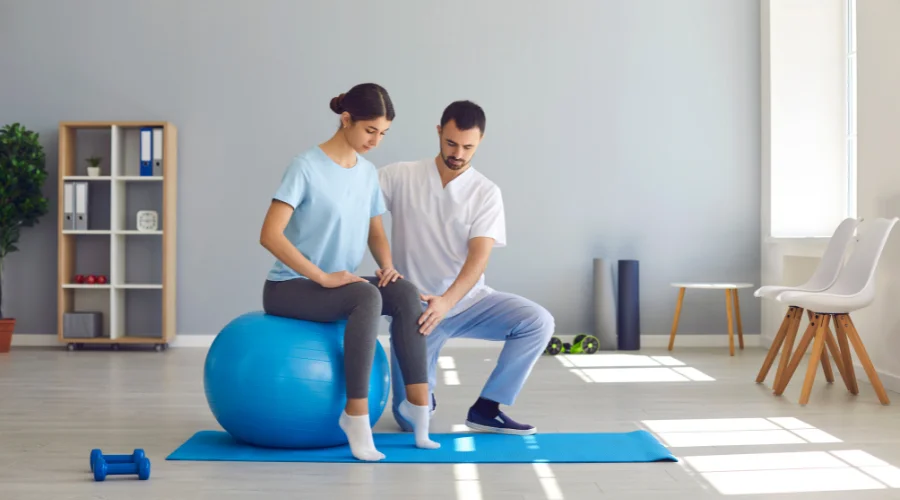
Preventing knee pain through preventive measures proves more effective than treating it after the pain develops. A complete prevention plan tackles various risk elements through proven methods which safeguard joints and minimize the chance of injuries.
The implementation of these preventive measures will help you lower your chances of knee pain development while protecting your joints for years to come.
1. Strengthen the Muscles Around the Knee
The knee joint receives essential stability and support from surrounding muscles which enable proper function during regular activities and athletic participation.
The quadriceps muscles located in front of the thigh play a vital role in maintaining knee stability and absorbing shock when performing walking, running, and jumping movements.
The strength of hamstring muscles and calf muscles helps protect the knee joint from injuries while maintaining proper knee function. A well-balanced exercise program needs to engage all muscle groups to provide maximum joint support and prevent muscle imbalances which cause pain and injuries.
2. Maintain a Healthy Weight
The weight of extra body mass creates extra pressure on knee joints throughout regular activities. Each pound of body weight creates 4 pounds of pressure on your knee joint while walking but this increases to 6-8 pounds when you climb stairs.
Weight reduction of any amount leads to decreased knee joint pressure which helps people with knee issues experience less pain. Weight control helps decrease body-wide inflammation which promotes joint wellness and decreases the chances of developing arthritis.
3. Proper Warm-Up and Stretching
The process of warming up properly heats up muscles and tendons and joints by boosting blood circulation and tissue heat. The correct warm-up sequence begins with 5-10 minutes of light aerobic exercise followed by dynamic stretching that duplicates the upcoming physical activity.
The practice of regular stretching helps keep knee muscles and tendons flexible which stops them from becoming tight and changing joint movement patterns that lead to injuries. The best way to protect your knees requires stretching your hip flexors and quadriceps and hamstrings and calf muscles.
4. Use Proper Footwear
Appropriate footwear provides essential support, cushioning, and stability during activities. Running shoes should be replaced after reaching 300-500 miles because the shock-absorbing properties which protect knees from impact stress deteriorate.
Select footwear that matches your activity type and your foot structure. People who have flat feet right footwear selection gives users necessary support and cushioning and stability during their activities.
Running shoes need replacement or high arches should use supportive footwear or custom orthotics to keep their lower extremities properly aligned when performing physical activities.
5. Avoid Overexertion
The process of tissue adaptation to increased demands becomes possible through progressive training methods which decrease the risk of injuries.
Tissue capacity becomes overwhelmed when people increase their activity intensity or duration or frequency which results in overuse injuries.
Your body signals through pain so you should always pay attention to these warning signs. The continuation of significant pain during exercise will normally result in more severe injuries and longer recovery periods. Rest days combined with different workout activities help stop repetitive strain injuries from occurring.
6. Modify Exercise Routines
Swimming and cycling and elliptical training offer cardiovascular exercise benefits while minimizing stress on knee joints.
People who have knee pain or arthritis find these exercises useful because they help them stay active while their joints experience less strain. In fact, there’s evidence that swimming is good for knee health, particularly when started earlier in life.
The practice of switching between different exercises helps distribute stress evenly across body tissues while keeping fitness levels stable. People who run should alternate their workouts with swimming or cycling because this practice helps distribute joint stress and prevents injury from overuse.
Starter Exercise Routine:
- Isometric Quad Set: The Isometric Quad Set requires you to sit with your leg straight while you contract your thigh muscles for five seconds before repeating the exercise 10-15 times.
- Straight Leg Raise: The exercise requires you to lie down while lifting your leg and maintaining the position for three seconds before slowly lowering it back down ten to fifteen times.
- Mini Squats: Stand with feet at shoulder width while performing mini squats that reach 45 degrees depth and hold for three seconds before returning to standing position ten to fifteen times.
- Hamstring Curls: To perform hamstring curls, stand up then bend your knee to bring your heel toward your buttocks while maintaining the position for three seconds before slowly returning to the starting position ten to fifteen times for each leg.
Perform these exercises three to four times per week while you increase the number of repetitions based on your strengthening progress. The key to successful exercise initiation lies in maintaining regularity rather than focusing on high-intensity workouts.
The implemented prevention methods function together to safeguard knee health and minimize the chance of pain occurrence. Using multiple prevention methods gives you the best protection which enables you to stay active while avoiding pain throughout your entire life.
When to See a Doctor / Urgent Red Flags
Medical professionals need to treat specific knee pain indicators right away because these signs point to serious health issues or potential complications. The identification of these warning signs enables you to get proper medical help right away which prevents additional health problems.
Seek immediate medical attention if you experience:
- The inability to bear weight on the affected leg.
- Fever combined with red, hot, swollen knee joint
- Visible deformity or rapid worsening of knee shape
- The knee becomes locked in a position which makes it impossible to move.
- The knee pain becomes severe while over-the-counter pain medications and rest do not provide relief.
- The presence of infection symptoms, such as fever, chills together with redness that spreads.
- The lower part of your leg below the knee shows numbness and tingling sensations.
The symptoms point toward severe medical issues which need immediate orthopedic assessment or emergency department treatment because they indicate fractures, infections, or complete ligament tears. Early medical intervention produces superior results which stops the development of lasting complications.
Why Choose Big Apollo Spectra for Knee Pain Treatment?
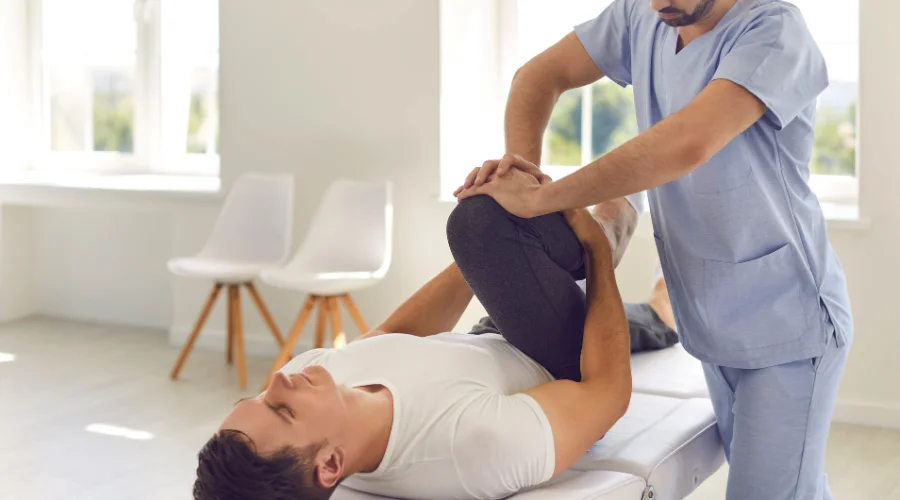
Big Apollo Spectra delivers complete orthopedic care through its multidisciplinary approach to treating knee pain. Our facility provides one-stop care through its experienced orthopedic specialists who work alongside advanced imaging services, skilled physiotherapists, and rehabilitation teams.
Our modern healthcare facility provides immediate diagnostic services which shortens treatment planning time and accelerates patient recovery.
Moreover, the team at Big Apollo Spectra delivers individualized treatment plans through both conservative and advanced surgical methods including joint replacement surgery. We have established expertise in these areas.
Our evidence-based treatment approach combined with patient education delivers top-quality care that produces the best possible results for your knee pain issues.
Frequently Asked Questions
1. What is the most common cause of knee pain?
The primary reason for knee pain in adults above 50 years old stems from osteoarthritis which develops through the gradual deterioration of joint cartilage.
2. When does knee pain need an X-ray or MRI?
The need for X-ray or MRI imaging of knee pain depends on specific circumstances. X-rays become necessary for diagnosing fractures and arthritis but MRI scans help identify soft tissue injuries such as ligament tears and meniscal damage after conservative treatments prove ineffective.
3. Can exercises make knee pain worse?
The wrong execution of exercises together with high-intensity movements can intensify knee pain but correct exercises under professional supervision lead to pain reduction and enhanced functionality.
4. How long does an ACL tear take to heal?
Complete ACL tears need surgical reconstruction followed by 6-12 months of rehabilitation before return to sports activities.
5. Are knee injections safe?
The safety of knee injections depends on the provider’s experience because proper sterile techniques minimize the risk of complications and infections.
6. When is knee replacement recommended?
The procedure of knee replacement surgery becomes necessary when arthritis reaches an advanced stage and causes disabling pain that fails to respond to non-surgical treatments, thus severely impacting everyday quality of life.
Relieve Knee Pain – Start Healing Today!
Knee pain does not need to restrict your daily activities or stop you from participating in your favourite activities. Your ability to choose proper care depends on understanding the different causes which can include anything from osteoarthritis knee symptoms to meniscus tear symptoms.
The majority of conditions respond well to knee pain prevention strategies and appropriate exercises and lifestyle changes. Advanced treatments like injections, arthroscopy, and joint replacement surgery deliver successful results for patients who fail to achieve relief through conservative treatments.
Knee pain should not determine how you live your life. Contact Big Apollo Spectra’s orthopedic team for expert evaluation and treatment of your ongoing knee pain concerns. Our complete diagnostic and treatment approach delivers customized care that enables you to resume your preferred activities without pain or persistent discomfort.