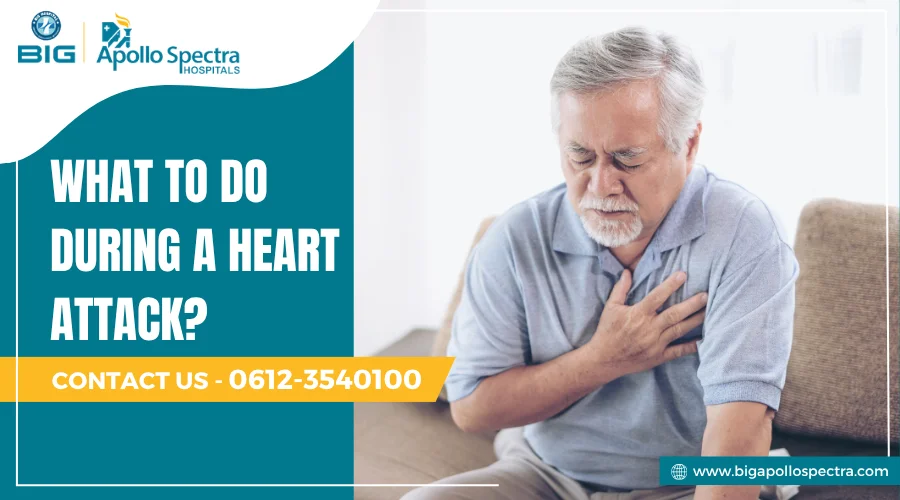
A suspected heart attack is a medical emergency. Call emergency medical services immediately, keep the person at rest, and don’t drive them yourself if an ambulance is on the way.
Getting treatment fast is what stops a heart attack fast – there’s no shortcut, no home trick, just how quickly a person can get proper care. If you’re wondering what to do if someone is having a heart attack, here’s the walkthrough. For specialist cardiac care in Bihar, Prof. Dr. Nirav Kumar, Director of Cardiology at Big Apollo Spectra Hospital, runs a team built for exactly this kind of emergency.
⚠️ Suspected heart attack? Call emergency medical services immediately. Do not wait for symptoms to improve or attempt home treatment.
Skip the 7 second trick to prevent heart attack and forget trying to stop a heart attack in 30 seconds – neither is real, and no, can you stop a heart attack immediately at home isn’t really a yes-or-no question, it’s a no. What actually helps is contacting emergency services and getting proper treatment under the care of the best cardiologist in Patna as fast as possible.
What to Do During a Heart Attack?
This section is the part that matters if it’s happening right now.
Step 1: Call Emergency Medical Services
Don’t wait to see if the pain passes, and don’t think about booking a routine cardiology visit instead. A suspected heart attack needs urgent assessment, now. If an ambulance is available, take it; don’t drive.
Tell the operator the symptoms and where you are. This one call is the whole point of heart attack emergency treatment, and it’s the first move in any heart attack first aid response. Alone? Make the call before you do anything else.
👉 Call Emergency Services for Cardiac Care – 0612-3540100
Step 2: Keep the Person Still and Comfortable
No more walking around, no more chores. Sit or lie down – semi-upright with knees slightly bent usually feels better on the chest.
Loosen anything tight around the neck or collar. And stay calm yourself; panic raises heart rate, which is the last thing anyone needs right now.
Step 3: Check Whether They’re Conscious and Breathing
Ask something simple – their name, where they are. If they stop responding or their breathing changes, that’s a different, more urgent situation, and we’ll get to it shortly.
Step 4: Follow Emergency Medical Instructions
Dispatchers are trained for this exact call. They may walk you through positioning, monitoring, or what to look for while the ambulance is en route. Stay on the line. Don’t guess when someone’s actually telling you what to do.
Step 5: Prepare for Hospital Transport
If there’s a spare moment, grab a list of medications, known conditions, allergies, and any past heart procedures.
Got someone else around? Have them unlock the door for paramedics and grab ID or insurance papers. Don’t overthink this part. Reaching the hospital matters more than a perfect checklist. Big Apollo Spectra is set up as a cardiology hospital in Patna for exactly this with an emergency team ready the moment you walk in.
How to Recognise a Possible Heart Attack?

Forget the movie version – clutching the chest, collapsing dramatically. Real heart attack symptoms are messier and vary a lot between people, which is honestly why so many get missed.
The usual suspects, and the ones doctors call heart attack warning signs: pressure or tightness in the chest, pain that spreads to the arm, shoulder, back, neck, or jaw, and shortness of breath.
But cold sweat, nausea, dizziness, unexplained fatigue, palpitations, or just a nagging sense that something’s off can show up too – sometimes with chest pain, sometimes on their own.
Women, older adults, and people with diabetes tend to get a different version of these signs of a heart attack with fatigue or nausea instead of the classic chest pain. If several of these hit suddenly, don’t wait it out. For more on how this differs from broader heart disease, there’s our guide on heart disease symptoms vs heart attack signs.
Catching these signs early buys you time. What you do next matters just as much.
What Not to Do During a Heart Attack?
Most articles stop at symptoms. But the mistakes people make in the moment while wondering what to do during a heart attack at home or out in public deserve just as much attention.
Don’t:
- Wait for symptoms to go away on their own.
- Brush off mild or on-and-off symptoms as “probably nothing.”
- Drive yourself if an ambulance is available.
- Try walking it off to “see if it gets better.”
- Take someone else’s heart medication because it’s nearby.
- Try unproven home remedies instead of calling for help.
- Push back hospital care to squeeze in a routine consultation first.
People ask about how to stop a heart attack naturally, or whether you can stop a heart attack immediately at home. You can’t. This is a medical event, and it needs medical attention.
Skip these mistakes and get to the hospital faster.
Should You Give Aspirin During a Heart Attack?
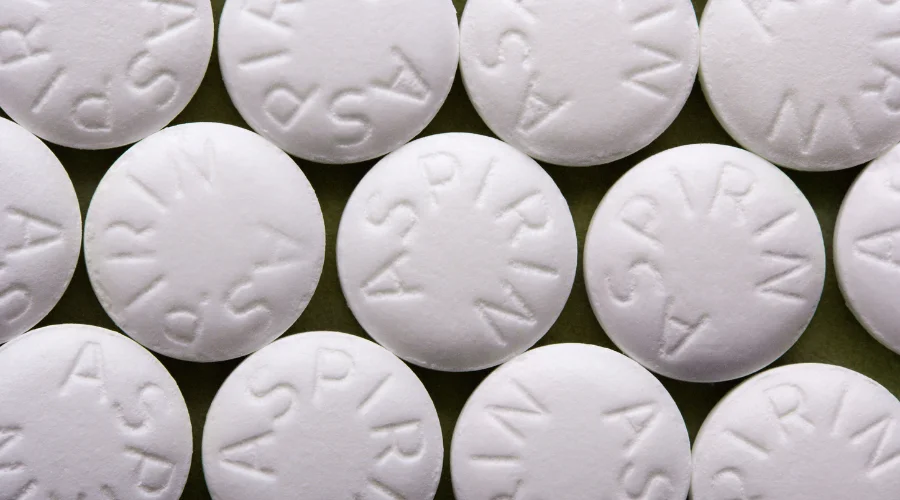
Aspirin does come up a lot here, and yes, it can help limit clotting in a blocked artery. But it’s not automatic, and giving it blind isn’t smart.
Allergies, bleeding risk, other conditions, current medications – all of it changes whether aspirin is safe for that specific person. Let the emergency operator guide this, not guesswork.
And don’t let the aspirin question slow anything down, immediate treatment for heart attack comes first, well ahead of the heart attack first aid steps. Also, aspirin isn’t a substitute for emergency care. At best, it’s a small assist.
Whether to give aspirin matters less than whether the person is still responsive.
What If the Person Becomes Unconscious?
Figuring out what to do during heart attack when alone shifts completely the moment someone stops responding. Unresponsive and not breathing normally? Call for help if you haven’t, then start CPR.
Grab an AED if one’s nearby; a lot of public buildings keep one within reach. Keep following the dispatcher; they’ll talk you through compressions and pacing as you go.
If the person becomes unresponsive and is not breathing normally, begin CPR and use an AED if available. Learn how to perform CPR in an emergency while waiting for medical help to arrive.
Once paramedics take over, the next part happens at the hospital, and it moves fast.
What Happens After You Reach the Hospital?
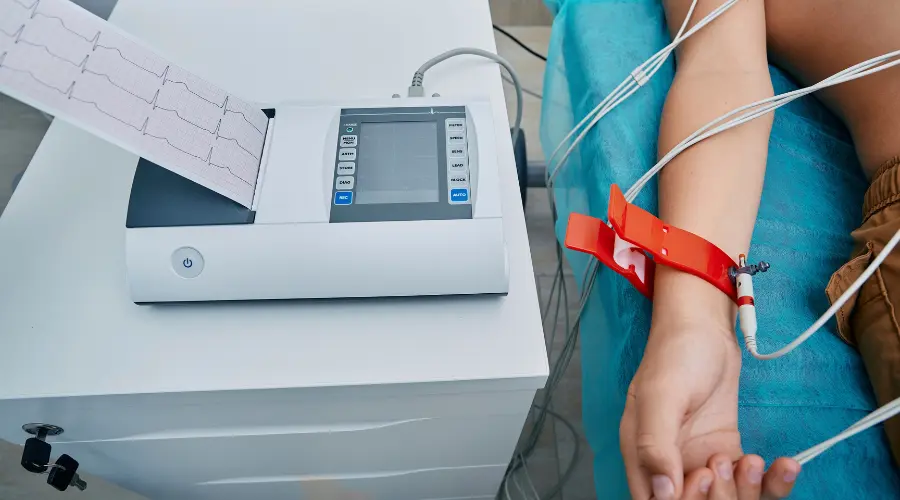
Getting through the doors kicks off a sequence built to confirm what’s going on and start treatment without wasting time.
Initial assessment means an ECG for the heart’s electrical activity, checks on blood pressure and heart rate, a look at medical history, and blood tests for markers of heart damage.
Further evaluation can include troponin testing to confirm muscle injury, an echocardiogram if needed, and coronary imaging to find the blockage. If a blocked artery looks likely, doctors may suggest angiography in Patna or similar imaging to pin down exactly where and how bad it is.
Treatment depends entirely on what shows up. It could be medication, could be angiography, angioplasty with stenting, or something else. It comes down to the blockage itself and how the patient’s responding. Cardiology and emergency teams usually make this call together.
Every part of this pathway runs on one idea: the sooner, the better for the heart muscle.
>> Consult Dr. Nirav Kumar at Big Apollo Spectra for a full evaluation if you or a family member has a history of heart disease.
Why Rapid Treatment Matters?
When blood flow to part of the heart stops, that muscle starts running out of oxygen almost immediately. The longer it goes on, the more damage tends to stick around, and complications get more likely too.
Get blood flow back early and a lot of that risk drops though exact numbers depend on the type and severity involved. It’s part of why heart attack recovery so often comes down to how fast someone gets care. This isn’t a slogan. It’s how cardiology teams actually triage these cases, minute by minute.
Once the crisis itself is handled, the conversation moves to ongoing heart attack treatment.
What Treatment May Be Needed After a Heart Attack?
This blog is really about the emergency itself, so here’s just the short version of what follows.
Angioplasty and stenting physically reopens the blocked artery mechanically and can happen urgently when needed, often the same day the blockage is confirmed. Read more on what to expect during angioplasty, if you want the details.
Medicines afterward usually include antiplatelets, anticoagulants where needed, statins, and something for blood pressure and heart function.
These are often used for months or years typically, and get adjusted depending on how recovery’s going. A cardiologist reviews the plan at check-ups rather than setting the medication schedule once.
Bypass surgery comes into play for patients with more complex or widespread coronary disease, especially when several vessels are affected, and it’s a decision made carefully rather than as a first resort.
People considering this often want to know about life expectancy after bypass surgery, and that number depends heavily on individual heart function and overall health rather than any fixed timeline.
FAQs
1. How long does a heart attack take to kill you?
Depends on the blockage and how fast treatment starts which is the whole reason emergency care can’t wait.
2. What to do if someone is having a heart attack and is conscious?
Call emergency services, get them into a comfortable resting position, loosen tight clothing, and stay put until help shows up.
3. What are the top heart specialist doctors options in Patna?
Big Apollo Spectra’s cardiology department is led by Prof. Dr. Nirav Kumar, Director of Cardiology, along with a team of experienced consultant cardiologists.
4. How to survive a heart attack when you are alone?
Call for help first, then unlock the door if you’re able to. Sit down, breathe as steady as you can, and stay on the line until someone arrives.
5. Are you conscious during a heart attack?
Usually, yes, most people stay awake and aware through it. Losing consciousness points more toward cardiac arrest, a related but separate emergency.
6. Can a person survive a heart attack without medical attention?
Sometimes, but it’s a gamble. Untreated blockages can worsen fast and lead to serious, even fatal complications, so skipping care isn’t worth the risk.
7. What are the early signs of a heart attack?
Chest pressure, pain in the arm or jaw, breathlessness, cold sweat, and unusual tiredness are the common ones, though they show up differently for everyone.
8. How to save yourself from a heart attack?
Call emergency services the moment you suspect one, get into a comfortable position, and follow whatever the dispatcher tells you instead of guessing on your own.
Call for Emergency Cardiac Care Now
Here’s the short version of everything above: what to do when someone has a heart attack comes down to speed. Call for help first, keep the person calm and still, and get them somewhere equipped to handle cardiac emergencies, no detours.
Knowing mild symptoms from real warning signs, and having a plan ready if someone stops responding, can be the difference that actually matters.
Big Apollo Spectra Hospital, backed by the expertise of Prof. Dr. Nirav Kumar and a full cardiology team, is built for exactly this kind of urgent cardiac care in Patna. Don’t wait around for symptoms to worsen.