

The primary function of pulmonary medicine as a specialty is treating respiratory disorders, including conditions such as pneumonia.
Dr. Vaibhav Shankar, pulmonologist at Big Apollo Spectra Hospital, explains that early intervention is crucial when diagnosing and treating respiratory infections like pneumonia, because an untreated pneumonia can rapidly deteriorate into serious respiratory complications such as pneumonia associated pleural effusion (fluid collection) or hypoxemia (low blood oxygen).
Getting assessed by a pulmonologist doctor in Patna at the right time allows for accurate diagnosis and treatment matched to the cause, which improves recovery outcomes and reduces the chance of hospitalisation.
Pneumonia Treatment in Patna: What Are the Options?
When it comes to choosing the best course of action in treating the many forms of pneumonia, it’s important to consider the common types of infectious agents. Viral, bacterial, and fungal pathogens represent the most common causes of pneumonia.
Each type of pathogen requires different treatments and therefore a correct classification by the patient’s physician prior to initiating treatment is essential. Since no two patients respond identically to an infectious process, each case should be evaluated individually.
Dr. Vaibhav Shankar, Pulmonologist at Big Apollo Spectra Hospital, evaluates each case individually, since no two patients respond to infection the same way.
1. Antibiotics for Bacterial Pneumonia
Antibiotics are usually given as the treatment based on the type of bacteria that caused your illness or what was found during lab testing.
According to research, Streptococcus pneumoniae is the leading cause of community-acquired pneumonia worldwide.
It’s very important to finish all of your antibiotics, even though you may be feeling better sooner than expected when you start them. (Note – Antibiotic prescriptions should be completed even when the patient is feeling better initially).
2. Supportive Recovery
Resting, ensuring enough water intake, and medication for fever or discomfort can help with recovery by reducing the load on the immune system.
When illness-related symptoms are kept at bay in this way, they will not interfere with the healing process as it takes its time naturally. Supportive therapy works equally well for most cases of pneumonia regardless of the causative organism.
3. Antiviral Therapy For Certain Situations
Antiviral treatment may be recommended after your doctor has concluded that the underlying cause of the disease is the virus.
It is mainly suggested after the results of medical testing and symptom pattern that the doctor would identify and decide whether to prescribe antivirals.
4. Oxygen Therapy and Hospital-Based Care
The best approach will depend mainly on the extent of lack of oxygenation and whether the patient needs supplementary oxygen to be administered, or if they are at risk of needing hospitalization for further observation.
A specialist evaluation by a pulmonologist can help to make that decision and would also help prevent the disease taking a turn for the worse. You can contact Dr. Vaibhav Shankar for a treatment protocol based on your condition at different stages of the disease.
There is no doubt about the fact that, when treatment matches the cause of the problem, it is most beneficial. In the case of diseases like pneumonia where many causes are possible, that’s a strong reason why evaluation by a medical professional is important, and not neglecting to do so is crucial.
Common Symptoms of Pneumonia That Warrant Attention

Pneumonia symptoms can appear suddenly or build up over a few days. Recognising them early helps you seek care before the infection worsens.
- Cough – often producing mucus, sometimes dry
- Fever and chills– a common early sign of infection
- Chest discomfort – pain that may worsen with deep breathing or coughing
- Fatigue – unusual tiredness that doesn’t improve with rest
- Shortness of breath – ranging from mild breathlessness to difficulty breathing at rest
RELATED: When does a cough turn into pneumonia?
Early warning signs of pneumonia can also be influenced by the age of the patient. Older adults may present with confusion; whereas younger children may present with fast (rapid) breathing as opposed to a normal cough.
Pneumonia Treatment in adults usually begins when the above symptoms have been confirmed through a physical examination and a proper medical check.
More importantly, recognizing patterns among multiple symptoms will frequently provide better information than an individual symptom about whether you have pneumonia.
>> Early Assessment of Symptoms Improve Prognosis – Book an Appointment
How is Pneumonia Diagnosed?
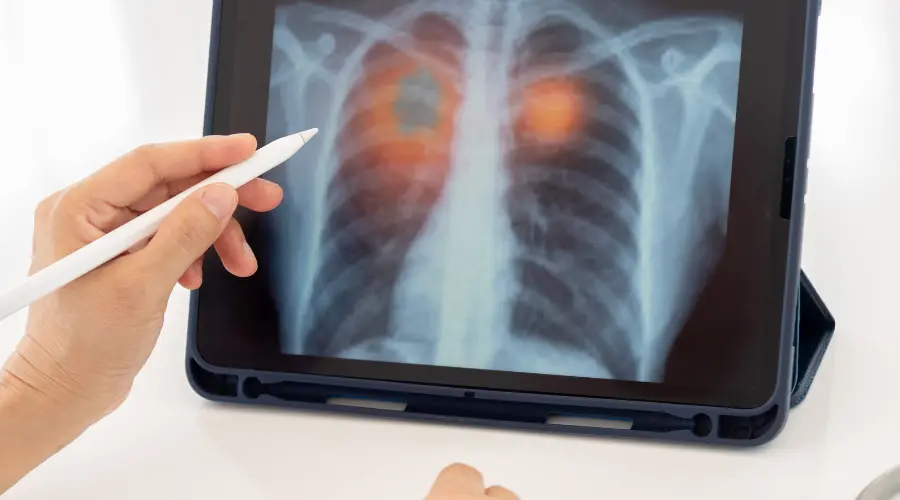
Diagnostic techniques used to diagnose pneumonia include both clinical assessments (medical history), and laboratory testing methods (tests). The choice of test(s) will depend on the findings of the physician’s examination.
Step 1 – Medical History and Physical Examination
Your physician will review your past medical history (symptoms, recent illness, risk factors), then listen to your lungs using a stethoscope to detect abnormalities indicative of infection.
Step 2 – Oxygen Level Measurement
Use of a pulse oximeter allows measurement of how much oxygen is available in the blood. Low oxygen levels may indicate decreased lung function due to infection. Your oxygen level may also determine if close monitoring is required.
Step 3 – Chest X-ray
The chest X-ray is used to verify the degree of lung inflammation. This is currently considered one of the best ways to differentiate Pneumonia from other respiratory diseases.
PEOPLE ALSO READ: Spirometry vs Chest X-ray Diagnostic Differences
Step 4 – Blood or Sputum Testing
If necessary, blood tests or sputum analyses may be used to determine the specific organism responsible for the infection. These results will assist in selecting appropriate antibiotics or antivirals.
The type of investigations selected by the lung specialist in Patna at Big Apollo Spectra will depend upon the individual patient’s presentation.
When Does Pneumonia Require Hospitalisation?
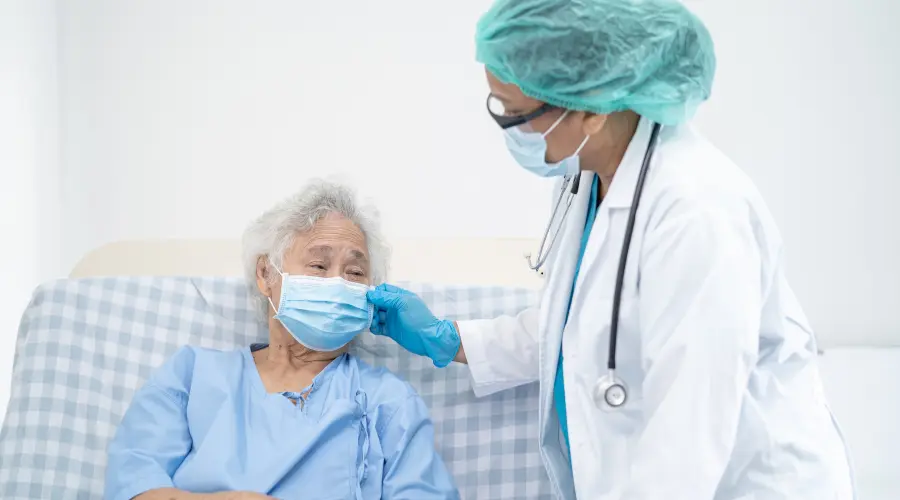
Most people who develop pneumonia are able to recover while being treated at an outpatient department. However, there are some symptoms which will indicate that the person requires hospitalization:
- Breathing difficulties are severe; breathing rapidly at rest.
- Oxygen saturation dropping below a safe level
- Confusion or sudden changes in alertness
- Pneumonia worsening even after the first round of treatment.
Sometimes, individuals require supplemental oxygen, intravenous antibiotics, or IV fluids. These individuals also require close monitoring of their vital signs.
Early evaluation by a chest specialist in Patna at Big Apollo Spectra may help avoid a potentially dangerous escalation of this condition.
Recovery After Pneumonia: What Should Patients Expect?
Recovery from pneumonia takes time, and pacing yourself matters as much as the treatment itself.
- Get adequate rest and avoid pushing through fatigue
- Drink plenty of fluids to support healing
- Complete all prescribed medication, even as symptoms ease
- Return to normal activity gradually rather than all at once
- Attend follow-up visits if your doctor recommends them
Cough and tiredness can linger for a few weeks after the infection clears, which is normal and doesn’t necessarily mean treatment failed. Full recovery timelines vary depending on age, severity, and overall health.
Pneumonia in Vulnerable Populations (Children, Older Adults and High-Risk Patients)
Some individuals have increased monitoring needs as their progression of pneumonia may be different. In older adults, there often will not be an elevated temperature and their early signs of progression may include confusion or weakness.
Younger children, such as infants, may present with rapid breathing, flared nostrils or difficulty feeding as opposed to complaints of chest pain.
ALSO READ: Pneumonia treatment in children
Individuals that have chronic diseases (such as diabetes, heart disease) or have compromised immune systems are at greater risk of developing complications from pneumonia.
These populations should typically receive closer follow up and prompt medical evaluation upon development of the first symptoms of illness, as they are at a greater risk of rapid escalation of symptoms compared to the general healthy adult population.

Can Pneumonia Be Prevented?
While there is no absolute prevention method available, several methods have been shown to provide significant reductions in the risks associated with developing pneumonia.
- Vaccinations – Pneumococcal and influenza vaccinations have been proven to decrease the risk of developing certain pneumonia-causing infections; most notably in older adults and vulnerable populations.
- Practicing Hand Hygiene – Frequent washing of hands decreases transmission of respiratory pathogens
- Not Smoking – Cigarette smoke damages lung function and increases vulnerability to pulmonary infections
- Controlling Chronic Diseases – Well-controlled chronic diseases such as diabetes or asthma will enhance an individual’s ability to fight off infectious agents
All of the above methods reduce an individual’s risk of developing pneumonia; however, they do not completely prevent it. As such, all individuals regardless of their level of preventative measures should remain vigilant for potential early warning signs of pneumonia.
When Should You Consult a Lung Specialist in Patna?
If you have a cough longer than one week, if the fever does not go away, if it is becoming harder to breathe, then you may want to consider seeing a lung specialist.
If you experience increased tiredness, increasing chest discomfort, or symptoms continue to come back even after some time of improvement, these are all reasons why there may be an issue that needs to be further evaluated by a pulmonologist.
Do not delay consulting with a pulmonary physician in Patna and wait for symptoms to become severe.

Frequently Asked Questions
1. How long does pneumonia recovery take?
Most people start feeling better within one to two weeks, though fatigue and cough can linger for several weeks depending on severity and overall health.
2. Is pneumonia contagious?
Pneumonia caused by bacteria or viruses can spread through respiratory droplets, particularly in close contact settings, though not everyone exposed develops the infection.
3. Will I always need antibiotics for pneumonia?
No. Antibiotics only help with bacterial pneumonia. Viral pneumonia is managed differently, which is why accurate diagnosis matters before starting treatment.
4. What determines the Pneumonia Treatment cost in Patna?
Cost depends on severity, whether hospitalisation is needed, diagnostic tests required, and the length of treatment, so it varies case by case.
5. When does pneumonia require hospitalisation?
Hospital care becomes necessary when oxygen levels drop, breathing becomes severely difficult, or symptoms don’t respond to initial treatment.
6. When should I seek urgent care?
Seek urgent care if you experience severe breathlessness, bluish lips or face, confusion, or chest pain that worsens suddenly.
Get Evaluated for Pneumonia!
The outcome of pneumonia depends on timely diagnosis followed by a suitable treatment plan based upon the causative agent and its severity.
The type of treatment (whether it is antibiotic, supportive treatment, inpatient) works only when the patient receives assessment and intervention on time. If you have been experiencing prolonged respiratory symptom(s), do not “wait this out.”
Make an appointment with the pulmonary medicine team at Big Apollo Spectra Hospital to receive a comprehensive assessment and treatment plan that addresses your condition.