

A silent heart attack is exactly what it sounds like. The heart muscle loses its blood supply, and the person feels next to nothing when it comes to pain. It’s easy to dismiss it for a little tiredness. Maybe a rough night’s sleep people blame on stress. There’s no alarm bell going off, which is precisely the problem.
For this reason, if you’ve been feeling off lately for no clear reason and you suspect something is going on with your heart, it’s worth talking to a cardiologist in Patna before there’s a bigger event.
What makes a silent episode of heart attack so dangerous is the lack of susceptibility. We’ve all got the movie version of a heart attack in our heads: sudden, crushing chest pain, someone clutching their chest. The reality is usually quieter than that, and that’s what trips people up.
What Is a Silent Heart Attack?
It’s called a silent myocardial infarction. When blood flow to an area of your heart is restricted or completely cut off it can cause that area of tissue to get damaged.
Whether you feel it or not it will still damage that area. There is no difference in what happens to your heart when you have a silent heart attack vs a regular one. You just won’t know that you’re having one.
If you do experience symptoms, they may be mild or last for a short period of time and go unnoticed. Maybe you felt tired that day and didn’t think anything of it.
Cardiac imaging studies have found that people show signs of having had a silent heart attack. They showed no symptoms that would lead them to believe they had a heart attack. And this is not something that you should take lightly. Your heart tissue is still being damaged.
What you feel and what’s actually happening inside your chest can be two completely different things.
What Are the Symptoms of a Silent Heart Attack?
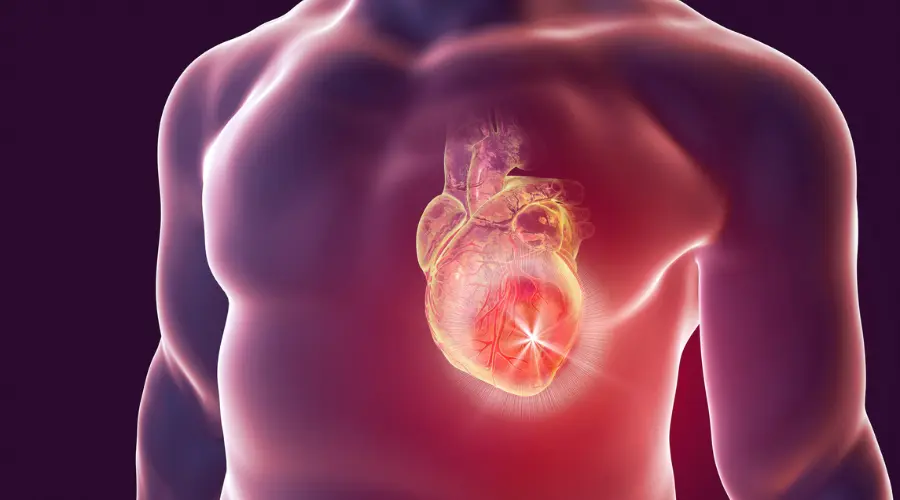
Silent heart attack symptoms rarely cause excessively noticeable symptoms. For some people it’s unusual tiredness that doesn’t make sense, even after sleeping fine. For others, it’s getting winded on stairs they’ve climbed a hundred times without a second thought.
A mild pressure or tightness in the chest can come and go. Plenty of people mistake it for indigestion, that heavy feeling after a meal that doesn’t quite add up. Nausea, cold sweats, dizziness tend to show up together rather than solo, which is worth noticing.
The discomfort doesn’t stick to the chest, either. Back, jaw, one arm, the upper abdomen, any of these can carry the warning signs instead. None of it matches the dramatic version, so these silent heart attack signs get written off constantly. Some people genuinely feel nothing at all, and the whole episode only comes to light by accident, usually during an unrelated scan.
For these reasons, even a vague sense of “something’s off” is worth acting on. Waiting it out is the wrong move here. Also, it is to be noted that men and women don’t always experience this the same way.
>> Consult for a Heart Checkup Today

How Do Symptoms Differ in Women?
First, a myth worth killing: women can absolutely feel chest pain during heart attacks, plenty of them in fact do. What’s different is that when it comes to heart attack symptoms in women, research keeps pointing to women reporting more additional symptoms alongside it, sometimes replacing it entirely.
Fatigue that won’t quit. Breathlessness. Nausea. An ache in the back or jaw that doesn’t scream “heart” to anyone, including the person feeling it. These signs blend in too easily with ordinary stress, get explained away, and that’s a genuine driver of delayed diagnosis in women.
What Causes a Silent Heart Attack?
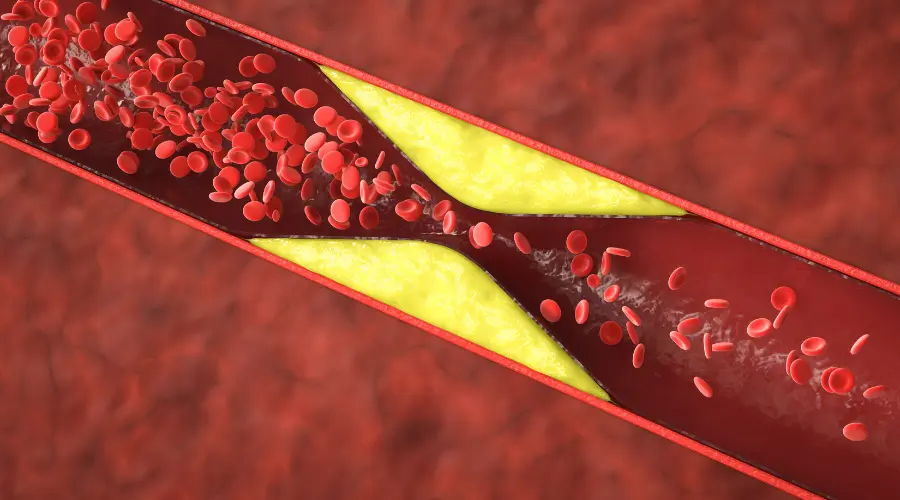
Most cases of a silent heart attack are caused from coronary artery disease. Fatty deposits build up inside the coronary arteries. These arteries provide your heart with blood. They become narrower and less blood can pass through them.
If a plaque ruptures, the body forms a clot at that site. A clot can restrict or cut off blood flow to your heart. Whether this triggers pain or passes quietly depends on nerve sensitivity and the extent of blockage.
A silent heart attack causes the same damage to your heart as if you did feel pain. The warning signs can be absent altogether, making it harder to know when the damage is occurring.
The artery getting blocked is the ultimate truth here, irrespective of whether you feel symptoms or not. It’s important to speak to your cardiologist about your treatment options if you suspect you have blocked arteries.
Who Is at Risk of a Silent Heart Attack?
There are many things that can increase your likelihood of having a silent heart attack. Some of these just increase your chance of heart problems in general.
- One of the risk factors is diabetes. Since diabetes can cause changes in nerve function and pain sensations. However, not everyone with diabetes will have a silent heart attack.
- Someone who has high blood pressure and cholesterol is at risk for this as well.
- The risk also increases for someone who smokes.
- You also want to look at advanced age and weight gain as risk factors because these play a role in your heart health.
- If you have a family history of heart disease or if you have had heart problems before then you are also at a greater risk for a silent heart attack.
ALSO READ: Effects of Diabetes on Heart Health
As you can see there are many ways to know if you’re at risk for this but how do you know if you have had one? Here is what doctors can do to test for it.
How Is a Silent Heart Attack Diagnosed?

An ECG (electrocardiogram) will be used to diagnose a silent heart attack. It will show you if there are signs of previous or current damage. Here is more information on normal vs abnormal ECG if you are trying to interpret yours.
If the doctor believes it is more current or has recently occurred, blood work will be helpful. Troponin is elevated when the heart muscle is damaged so they can use tests to check for its levels to help determine if there was a recent heart attack episode, even when there were no obvious symptoms.
You can also get an echocardiography suggested by the cardiologist. This allows them to see how well your heart is pumping and if there is any weakness in a certain area of muscle. They may further test with stress testing or angiography depending on what they find.
There is a difference between diagnosing a silent heart attack that may have happened in the past versus one that you believe is currently happening. You will see the difference when looking at imaging studies of the heart.
>> Book a Cardiac Assessment at Big Apollo Spectra
Can a Silent Heart Attack Cause Long-Term Complications?
Yes. It’s possible for your heart to sustain damage to its muscles if blood isn’t supplied to it during a silent heart attack. Your heart can become weakened from scar tissue forming which won’t help your heart pump effectively.
This could lead to heart failure down the road. Having suffered a silent heart attack puts you at a greater risk of heart related issues in the future as well, including having a heart attack.
How serious the long-term outlook is depends on the severity and what kind of treatment you receive after.
What Can You Do To Prevent A Silent Heart Attack?
Silent heart attack prevention starts with knowing your numbers. It’s important to know your blood pressure, cholesterol levels and blood sugar levels periodically. If you take any medications, take them properly and on time.
Stay away from cigarettes. Eat well and stay active. Exercise at least most days of the week.
Stay at a healthy weight and get enough sleep. None of this guarantees you’ll never face a cardiac event, but it lowers your risk.
Get a heart evaluation. If you are over 40 or have a family history of heart disease, you should consider getting one. Prof. Dr. Nirav Kumar, Director of Cardiology at BIG Apollo Spectra Hospital, can help you get a cardiac assessment if there are risk factors.
PEOPLE ALSO READ: Cardiac Risk Assessment After 40
When Should You Seek Emergency Medical Care?

If you experience any new symptoms such as chest tightness, difficulty breathing, breaking into a cold sweat, or nausea, you should seek medical attention right away. There is no “wait and see” with these symptoms.
Always call emergency services when you feel you may be having a heart attack. Do not drive yourself to the hospital. Read our article on what to do during a heart attack for more information and a step-by-step guide.
Now that we’ve discussed what can cause you to have a silent heart attack and what to do, here are some common questions.
>> Call Emergency Line for Cardiac Emergencies – 0612-3540100
Frequently Asked Questions
Following are a few questions that tend to come up around silent heart attacks specifically.
1. Can you have a heart attack without chest pain?
Yes. Many silent heart attacks come with little to no chest pain. Fatigue, breathlessness, jaw or back or abdomen discomfort might be the only hint, or there may be nothing noticeable whatsoever.
2. How long can a silent heart attack go unnoticed?
It’s genuinely variable. Months, sometimes years, until an unrelated ECG or scan turns up old scarring.
3. Can an ECG detect a previous silent heart attack?
Usually yes. Patterns suggesting past damage tend to show up, though an echocardiogram is what typically confirms it.
4. Are silent heart attacks more common in people with diabetes?
Somewhat, yes. Diabetes affects nerve sensitivity, dulling how strongly pain registers, so silent presentations do occur more often, just not in every case.
5. Can a silent heart attack be prevented?
Yes. Managing blood pressure, cholesterol, and blood sugar, skipping tobacco, staying active, and keeping up with checkups all are steps in the right direction to reduce overall risk.
However, no approach guarantees that you’ll never have a silent heart attack. The only thing that can help is regular monitoring and knowledge of risk factors before an event occurs.
Talk to Our Cardiologists
Are you experiencing unusual tiredness or feeling winded? Don’t brush it off. Speak to our team of cardiologists at BIG Apollo Spectra Hospital.
A silent heart attack can do just as much damage as the one that feels painful. Many individuals will go months without any noticeable signs of pain and once they realize there’s an issue their heart might have been suffering from it for a long time. You don’t have to wait until you’re having a heart attack to come in for a checkup.
Feeling unusually fatigued is a good enough reason, especially if you also have cardiac risk factors. Better to find out about it early then have to deal with a situation where your body can take longer to recover. So, book a heart checkup today and find out if you’ve had a silent heart attack.