
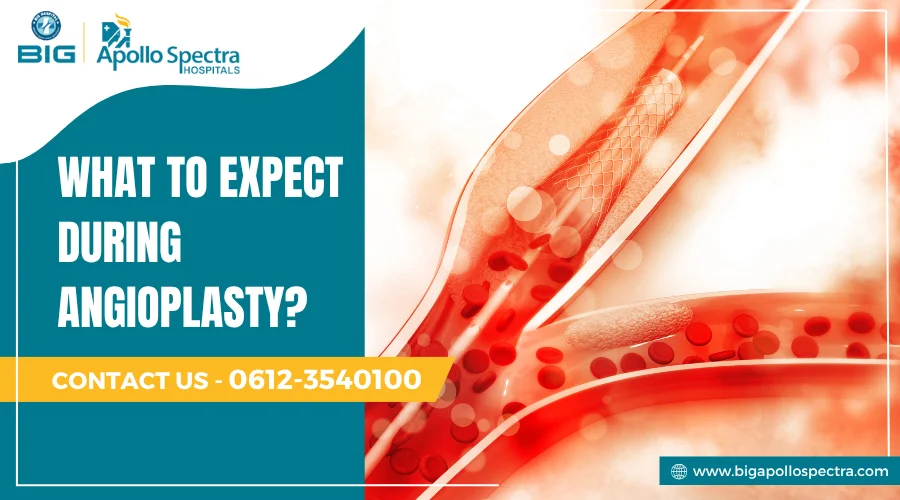
The medical procedure of angioplasty allows doctors to perform minimally invasive procedures for opening blocked arteries targeting coronary arteries that supply blood to heart muscle tissue.
This lifesaving intervention stands as a fundamental treatment for coronary artery disease to provide blood flow restoration and prevent heart attacks for millions of patients.
Most patients need angioplasty after their doctors detect blocked arteries after they’ve experienced symptoms including chest pain and shortness of breath. Medical professionals perform this procedure on patients who have experienced heart attacks or show signs of major arterial blockages through diagnostic tests.
The recommendation to perform angioplasty depends on multiple variables which include blockage severity and patient symptom occurrence and heart condition status.
This complete guide provides a detailed overview of angioplasty procedures from start to finish including pre-procedure preparation and recovery stages. Understanding what is to come will lower your stress levels and help you understand what to expect during this crucial medical procedure.
What to Expect During Angioplasty?
Following is a step-by-step overview of angioplasty procedure and what you can expect before as well as after the procedure.
Pre-Procedure Preparations
The medical team performing your angioplasty will start by performing blood tests and electrocardiograms as well as imaging studies to evaluate your condition. Your doctor will usually require you to fast for 6-8 hours before the procedure while also needing all the information about the current medications that you’re taking.
Your medical history will be reviewed by a heart specialist in Patna who will describe the entire procedure and address any concerns you might have.
The Angioplasty Procedure
Is angioplasty a major surgery? The medical procedure of angioplasty stands as a major intervention, but it does not qualify as traditional open-heart surgery. The length of the procedure ranges from thirty minutes up to two hours based on the level of complexity.
Local anesthesia will be administered at the insertion point before the procedure begins at either the wrist or groin area. A thin flexible tube called a catheter is inserted into your artery and guided to the blocked coronary artery using X-ray imaging. Once the blockage is located, a tiny balloon at the catheter’s tip is inflated to compress the plaque against the artery walls, reopening the vessel.
Knowledge about angioplasty vs stent differences is essential since numerous procedures require the placement of a small mesh tube called a stent. The metal scaffold serves to stop artery narrowing, so it maintains proper blood flow support in the long term.
Risks and Benefits
The angioplasty risks of death remain minimal yet patients need to understand possible adverse effects. Some potential complications following the procedure include bleeding from the insertion site as well as allergic reactions to contrast dye and kidney issues and in rare cases damage to the artery.
However, the advantages of this treatment substantially exceed potential risks, especially for patients with major blockages.
Your specific medical condition will determine the risks and benefits according to the best cardiologist in Patna who will explain them to guide your treatment decision.
Post-Procedure Care and Recovery
Patients who undergo angioplasty must stay in the recovery area for multiple hours following their procedure. Most patients can either go home the same day or need to stay overnight after their procedure. After angioplasty, patients should avoid heavy lifting as well as strenuous activities for about a week, but light walking is good to promote healing.
Long-term Outlook and Lifestyle Changes
How long a person can live after angioplasty varies among individuals yet medical evidence demonstrates that heart-healthy care leads patients to enhance their life quality while extending their life span. A person needs to adopt a heart-healthy diet and exercise regularly while quitting smoking and practicing stress management.
Your cardiologist must perform regular check-ups to track your recovery and modify your medications, if required. After stent placement, most patients need to take dual antiplatelet therapy for a few months to prevent blood clot formation around the stent.
Trust Our Care for Angioplasty Success
Angioplasty has provided patients with a safe artery blockage treatment that eliminates the requirement for open-heart surgery. The procedure provides successful results together with brief recovery time which makes it a preferred choice for treating coronary artery disease patients.
Patients who understand the complete angioplasty procedure feel more confident about their treatment. Patients generally achieve major improvements in both their cardiac symptoms and total heart wellness through the treatment. Long-term optimal results stem from skilled medical professionals combined with the patient’s dedication to lifestyle modifications.
If you are showing heart blockage related symptoms or your doctor has suggested angioplasty, you should immediately contact medical specialists. Consult your healthcare provider about your particular health situation and available treatment alternatives.
Patients who need cardiac care should choose Big Apollo Spectra which stands as the best heart hospital in Patna because its team of experts delivers cutting-edge treatment through individualized care.
A consultation with the best cardiologist is all it takes. Better heart health begins with a visit to a reliable heart hospital in Patna, so make your appointment today. Your heart requires optimal care and prompt medical treatment will produce substantial benefits for your future health along with a better quality of life.