Brain tumours don’t cause the same symptoms in every patient. Where the tumour sits, how big it is, how fast it’s growing, all of that shapes what a person actually notices. Two people with tumours in different parts of the brain can end up with completely different symptom lists.
Neurological symptoms of brain tumour growth also tend to overlap with far more common conditions, so a single headache or a dizzy spell on its own doesn’t mean much.
This blog covers the brain tumour symptoms that should never be ignored. That doesn’t mean panicking over every ache. It means paying attention when something is persistent, worsening, or just doesn’t fit your usual pattern, and getting it looked at.
You might notice changes in headaches, vision, movement, speech, memory, balance, or seizure activity. If you’re in Bihar and dealing with anything like this, the best neurosurgery hospital in Patna can get you a proper specialist evaluation.
Dr. Pradeep Kumar, Consultant Neurosurgeon at BIG Apollo Spectra Hospital, Patna, sees patients with exactly these symptoms on a regular basis. He starts by ruling out the common causes before considering anything more serious, which is really how it should work.
Concerned about your symptoms? Consult Dr. Pradeep Kumar for a proper evaluation.
Brain Tumour Symptoms That Should Never Be Ignored

Not everything here is automatically a red flag. What matters is the pattern – how long it’s been going on, whether it’s getting worse, whether it’s showing up with other changes at the same time.
Recognising brain tumour symptoms early gives you and your doctor a real head start. Here’s what to watch for.
1. Persistent or Worsening Headaches
Most headaches are nothing to be worried about and definitely do not relate to a tumour, so no need to panic the minute you get a headache.
What one should take seriously is when a headache keeps changing, that is, it appears more frequently or it no longer matches the sensation of your typical headaches or it is continually worsening without getting better, and not just happening once in a while.
If it is also accompanied by vomiting, changes in vision, weakness, or a seizure, then it is definitely time to visit a doctor as these symptoms, if they happen together, indicate a potentially serious condition, although such a combination is, in fact, rare.
In cases of persistent headaches, it’s also worth reading about the symptoms of migraine in more detail.
2. Seizures That Begin Without a Previous History
A first seizure in an adult is not something to shrug off. It doesn’t automatically point to a tumour, but doctors take unexplained seizures seriously, especially if they repeat, involve strange jerking movements, or come with a sudden blank-out in awareness.
Plenty of neurological conditions can cause this, and that’s exactly what the testing is for. For more on what else might be going on, this piece on epilepsy and seizures is a good starting point.
3. Vision Problems or Changes
Any kind of changes in vision such as blurred, double vision, or loss of peripheral vision need to be reported to a doctor, especially if it is not going to be temporary and lasts beyond a few minutes.
These are often symptoms of internal pressure or structural changes in the parts of the brain that interpret visual signals.
A thorough neurological examination usually includes evaluating vision, along with hearing and speech as they are closely tied together in how the brain works.
4. Numbness or Weakness on One Side of the Body
Weakness in an arm or a leg, odd numbness, sudden trouble controlling movement on one side – these need medical attention, and fast if they come on suddenly.
Doctors treat sudden neurological deficits as urgent no matter what’s causing them, because several very different conditions can look almost identical at first glance. If you want to read more around this, treatment for paralysis covers overlapping presentations in more detail.
5. Problems With Balance, Walking or Coordination
Struggling to walk in a straight line. Losing your balance more than usual. New clumsiness that wasn’t there before. All of it is worth flagging.
Dizziness that shows up alongside other neurological changes, rather than on its own, tends to carry more weight clinically.
This is one reason specialists point patients toward neurological conditions affecting balance and coordination as part of a wider workup instead of writing it off as nothing.
6. Speech or Language Problems
Struggling to find the right word. Sudden slurred speech. Trouble following what someone’s saying to you. None of that is normal, whether it creeps in slowly or hits you all at once.
A neurological exam typically checks speech and language directly, since those skills live in specific, fairly fragile areas of the brain.
7. Memory, Personality or Behaviour Changes
Confusion out of nowhere. Memory lapses that keep piling up. Personality shifts that make family members say “that’s not like them.” Trouble concentrating on things that used to be easy. Family members often clock these changes before the person experiencing them does, honestly.
NOTE: If cognitive symptoms are your main worry, this blog on brain fog that affects memory and cognition walks through other causes worth ruling out first.
8. Persistent Nausea or Vomiting
Neurological symptoms often come with an undiagnosed or constant episode of vomiting, especially when it is along with a really bad headache, vision changes, or other strange indications.
In most cases, however, simple nausea could easily mean something else unrelated to the nervous system that you can not diagnose on your own, which is the reason it is important to consult a neuro doctor.
>> Book an Appointment Now If You Have Any Of These Symptoms

Why Brain Tumour Symptoms Can Vary?
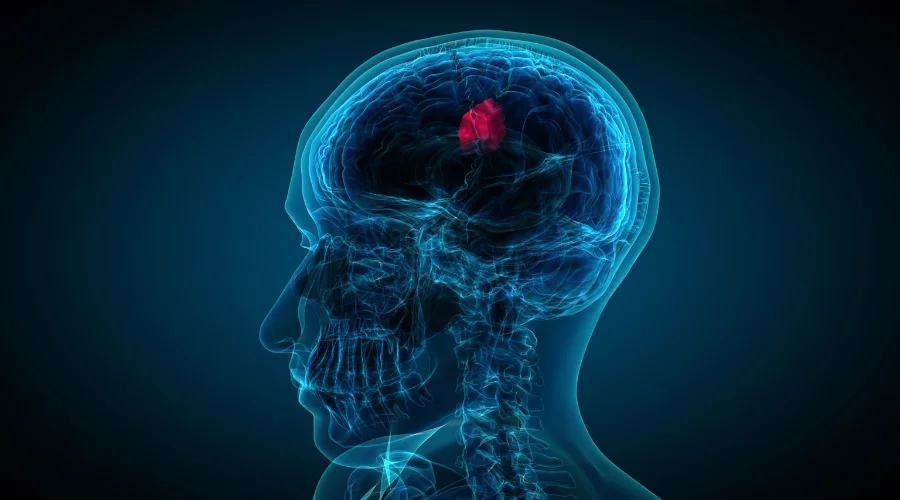
Symptoms arise when a tumour either presses directly on brain tissue, increases pressure within the skull, or otherwise interferes with the functioning of a particular region.
Brain functions are both localized and specialized, so the site of growth will largely shape the symptoms experienced by a patient.
The extent to which symptoms become apparent can be influenced to a small degree by several things: the location of the tumour, its size, its growth rate, the level of pressure on adjacent tissues, and the brain areas involved.
A slow-growing tumour can cause subtle changes that build up over several months.
A fast-growing one somewhere else could trigger symptoms in days. Signs of brain cancer, in other words, can look completely different from one patient to the next even when the underlying diagnosis is similar.
For more detail on how this plays out clinically, brain cancer and brain tumour signs is worth a read.
Symptoms That May Require Urgent Medical Attention
Some symptoms don’t leave room for a wait-and-see approach. If any of these show up suddenly, don’t sit on it:
- A new seizure with no prior history
- Sudden weakness or numbness, especially on one side
- Sudden difficulty speaking or slurred speech
- Sudden loss or change in vision
- A severe or rapidly worsening headache
- Repeated vomiting alongside neurological symptoms
- New confusion or altered consciousness
- Significant difficulty walking or maintaining balance
Doctors sometimes call these brain tumour warning signs, though plenty of other serious brain conditions can produce nearly identical symptoms.
Some sudden neurological symptoms can also show up with other serious brain conditions, including brain haemorrhage, which is exactly why urgent evaluation matters regardless of what turns out to be causing it.
Noticing any of these urgent signs? Talk to Dr. Pradeep Kumar, neurosurgeon in Patna, right away.
Do These Symptoms Always Mean You Have a Brain Tumour?
No. It’s worth saying plainly, because most of the symptoms above have far more common explanations than a tumour.
Headaches are usually migraine or another primary headache disorder, not anything structural. Seizures often trace back to epilepsy or other neurological conditions with nothing to do with tumour growth.
Dizziness is frequently a vestibular or inner-ear problem rather than a brain issue. Weakness can come from a stroke or an entirely different neurological disorder.
Memory changes get linked to poor sleep and stress as often as anything more serious. If you’re trying to figure out who to actually see about symptoms like these, when to consult a neurologist walks through that decision.
When Should You See a Doctor?
Timing and pattern are more important than any isolated symptom in indicating that things are not normal. The decision about when to see a doctor for brain tumour symptoms usually relies on if symptoms are persistent, getting worse or happening over & over again without a clear explanation.
Have a doctor see you if your problems are significantly affecting your life, multiple symptoms are coming up together, or your symptoms are accompanied by seizures or other neurological signs.
One of the usual sequences is: initial symptom(s), neurological check, diagnosis, and referring the patient to the specialist if the specialist’s presence is necessary.
Generally speaking, consulting a neurologist to get first-hand knowledge of your brain condition makes the most sense, a decision to contact the neurosurgery clinic in Patna should be based on the results of the imaging or examinations that show structural issues.
How Are Brain Tumours Diagnosed?
The process of confirming a diagnosis usually begins with the collection of the history followed by a thorough neurological exam, especially the detailed examination of the nervous system, including checks for reflexes, coordination, vision, and cognitive function.
Once these assessments are done, scanning/imaging of the internal workings of the brain, MRI predominantly, will give the detailed structural layout.
If there is an uncertainty after scanning or if there is a requirement to establish more clearly what is wrong, the doctor may order other tests. In rare cases, a biopsy can also be suggested to confirm.
Catching early symptoms of brain cancer through this process gives doctors more options to work with down the line. This whole process, neurological diagnosis and imaging, is built to give a complete picture before anyone talks about treatment.
Need imaging or a diagnostic workup? Book a consultation with Dr. Pradeep Kumar.
What Happens If a Brain Tumour Is Found?
A diagnosis isn’t the end of the road, it’s the start of figuring out a treatment plan. Doctors look at the tumour type, where it sits, its size, how it’s behaving, the symptoms it’s causing, and the patient’s overall health, then work out what actually makes sense.
Not every tumour means immediate surgery. Some patients are simply monitored or managed without surgery, while others need an operation or additional treatment depending on how the tumour is behaving.
For patients who do need surgery, brain tumour surgery in Patna is available through a dedicated neurosurgery team that handles tumour removal and related procedures, including stereotactic radiosurgery where it’s appropriate.
Consult Dr. Pradeep Kumar at BIG Apollo Spectra Hospital, Patna, before jumping to conclusions about what your symptoms mean.
Book an appointment today for expert, evidence-based care.

Frequently Asked Questions
1. What are the first warning signs of a brain tumor?
Early signs often include new or changing headaches, unexplained nausea, vision changes, or subtle weakness. Early signs of brain tumour presentations vary a lot, so any persistent, unexplained neurological change deserves a mention to your doctor.
2. Can you recover from a brain tumor?
It depends heavily on the tumour type, its location, and how early it’s caught. Plenty of patients respond well to treatment, and catching things early tends to widen the range of options available.
3. What is a red flag for a brain tumor?
Sudden seizures, a rapidly worsening headache, sudden vision loss, or new weakness combined with confusion all count as red flags. These combinations call for prompt evaluation rather than waiting to see what happens.
4. Can you live a normal life with a brain tumour?
Many patients keep up with daily life during and after treatment, depending on the tumour’s type and location. Ongoing specialist care and monitoring play a big part in how well that goes.
5. What age do brain tumors start?
Brain tumours can occur at any age, from childhood right through to later adulthood. Brain tumour symptoms in adults tend to get worked up differently than in children, since the underlying causes shift with age.
6. Can headaches be a sign of a brain tumour?
Occasionally, but most headaches trace back to migraine or tension-type headache disorders instead. Brain tumour symptoms and headache patterns tend to involve steady worsening rather than a one-off bad day.
7. Are seizures a symptom of brain tumours?
They can be, but epilepsy and other neurological conditions cause seizures far more often. Either way, a new seizure in an adult still deserves prompt medical evaluation.
8. When should I see a doctor for possible brain tumour symptoms?
See a doctor when symptoms are persistent, worsening, recurring, or getting in the way of daily life. Sudden changes, like new weakness or a seizure, need urgent attention rather than a wait-and-see approach.
9. Can brain tumour symptoms be treated?
Yes, a lot of symptoms improve once the underlying cause is identified and properly managed. What that treatment looks like depends entirely on what’s actually causing the symptoms in each case.
Seek Urgent Care for Persistent Neuro Symptoms
Brain tumour symptoms vary a great deal from person to person, depending on where the tumour sits and how it grows.
Symptoms of brain tumour presentations often overlap with much more common conditions, like migraine, epilepsy, or vestibular disorders, so most people with these symptoms won’t turn out to have a tumour at all.
What actually matters is not brushing off symptoms that are persistent, worsening, or just don’t fit your usual pattern.
Early evaluation helps a doctor pin down the real cause, and a specialist referral follows naturally from there if it’s needed.
If any of this sounds familiar, neurosurgery care in Patna at BIG Apollo Spectra Hospital offers a thorough, evidence-based evaluation to help you get real answers.