Pneumonia does not always follow a predictable path to recovery. Sometimes, patients are better within just a few days while others experience worsening shortness of breath, increasing fever, and an overwhelming fatigue that will persist even though their treatments have begun.
Understanding whether your pneumonia is getting worse quickly enough to allow you to take action could mean the difference between preventing a manageable infection and developing serious complications.
The purpose of this blog is to identify common early warning signs of worsening pneumonia and provide information regarding the causes of worsening pneumonia and possible complications which may occur, as well as when to seek the care of a chest specialist in Patna for medical evaluation.
How Do You Know If Pneumonia Is Getting Worse?
Worsening pneumonia almost never occurs with one major symptom. Symptoms tend to appear in clusters, i.e., symptoms worsen, other symptoms develop or symptoms continue without improvement when they should be resolving.
Watch for these signs pneumonia is getting worse:
- Shortness of breath, especially while resting and not just when you are active.
- Fevers that either do not go away for an extended period (beyond 5 days), or return after they have been gone.
- Worsened chest pain, with increased severity upon taking a deep breath or coughing.
- Any changes in your cough or mucus including heavy sputum production, blood tinged sputum, or a deeper cough than normal.
- Unusual or extreme levels of fatigue/weakness, which is often different from what one would consider “normal” tiredness.
- Oxygen saturation readings that continue to decrease over time while you are self-monitoring at home.
- Disorientation/confusion/unusual sleepiness (in older adults) – this could be a first indicator of a serious issue.
There isn’t one definitive symptom for knowing if your pneumonia symptoms are worsening. The way you experience a slight increase in body temperature can vary greatly from experiencing a high fever. It’s the time when you notice several of the pneumonia warning signs at once that you take action.
If you’ve noticed a developing cough over a few days, read more about signs your cough is turning into pneumonia for context about how upper respiratory infections may develop and progress.
>> Consult Dr. Vaibhav Shankar Today If You’ve Concerning Symptoms

What are the Emergency Warning Signs of Severe Pneumonia?
The distinction between gradual decline of pneumonia and a medical emergency due to pneumonia is quite real. Some symptoms require immediate attention. Don’t put off calling your doctor until the next morning because you think things will get better with a little rest.
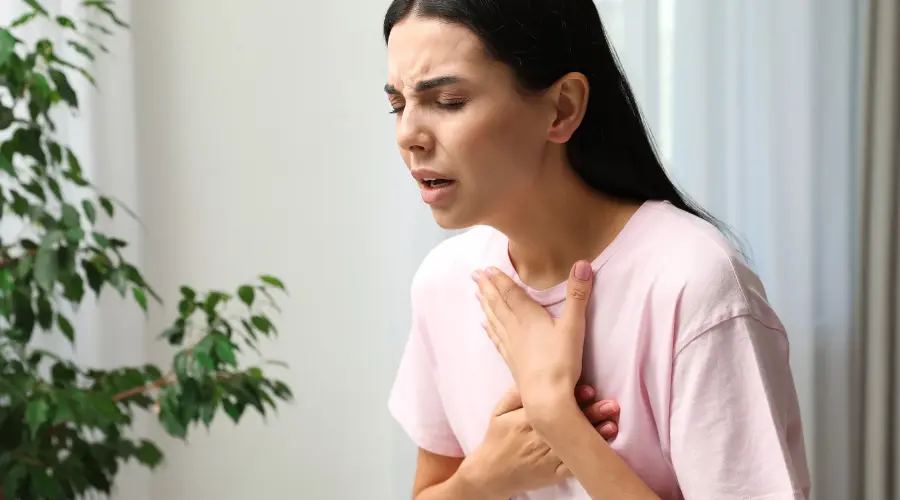
Go to an emergency hospital in Patna or call for help immediately if you notice:
- Severe difficulty breathing not just shortness of breath, but struggling to get air in
- Bluish or grayish discolouration of the lips or face (cyanosis)
- Severe chest pain that does not ease
- Sudden confusion, disorientation, or inability to stay awake
- Fainting or near-fainting
Even though older patients often do not exhibit obvious severe breathing distress when oxygen supply is low, they are just as likely to suffer serious consequences from dangerously low oxygen levels. Do not wait until all of these symptoms occur before asking for assistance. If something seems seriously out of order, ask for emergency help.
Why Does Pneumonia Sometimes Get Worse Despite Treatment?
Antibiotics don’t always bring an instant cure. There are a couple of reasons as to why patients can continue to worsen even though antibiotics were started.
Some people’s infections may have antibiotic-resistant bacteria that require a treatment evaluation once lab culture results become available.
Or, some people may have viral infections where antibiotics have no effect; therefore, another type of medical intervention is required.
Patients who suffer from pre-existing conditions such as COPD (chronic obstructive pulmonary disease) or asthma will generally take longer to recover than someone healthy because their lungs already have less “reserve” than those of a healthy person and, thus, they are much more susceptible to setbacks.
Additionally, complications can arise that are independent of the initial infection that need to be treated separately by the clinician.
The most important thing is never to stop taking, alter, or prolong your prescribed medications until you speak with your physician. If you are not improving, ask for a reassessment. At Big Apollo Spectra Hospital, pneumonia treatment in Patna is also adjusted based on cause and severity.
What Complications Can Develop If Pneumonia Gets Worse?
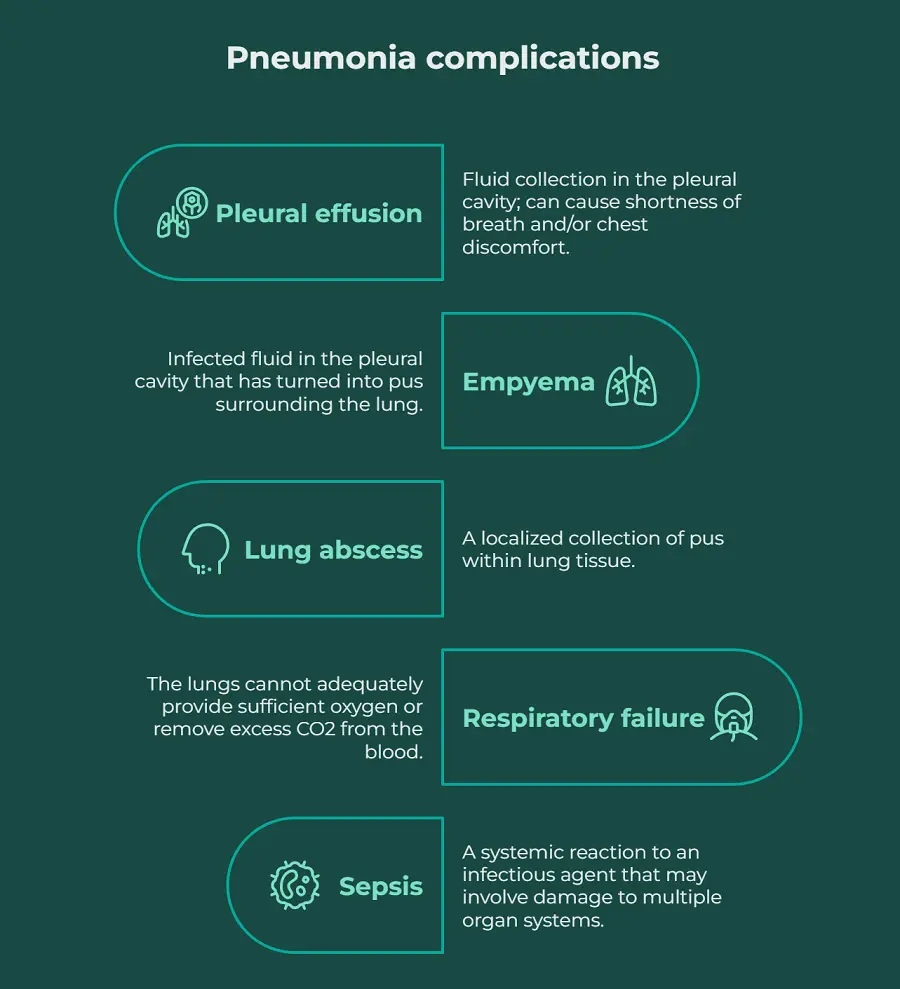
Most people will not have complications. However, as previously stated, the chance of developing complications varies based on the severity of their illness, their age, pre-existing health conditions, and the speed with which they receive medical attention. Therefore, it is important for individuals to understand potential complications of pneumonia.
Pleural effusion – Fluid collection in the pleural cavity (pleural effusion) is one of the most common complications seen in severe cases of bacterial pneumonia. Pleural effusions result in shortness of breath and/or chest discomfort.
Empyema occurs when the fluid in the pleural cavity has become infected and has turned into pus surrounding the lung. Empyema generally requires drainage in addition to antibiotic therapy.
Lung abscess is a localized collection of pus within lung tissue. Lung abscesses tend to occur with very severe episodes of pneumonia, due to inadequate treatment, or as a result of certain types of bacteria.
Respiratory failure is defined as an inability of the lungs to adequately provide sufficient oxygen or remove excess CO2 from the blood. In fact, pneumonia is among the major causes of lung failure. Respiratory capacity usually breaks down in serious lung infections.
Sepsis is a systemic (body-wide) reaction to an infectious agent and may involve damage to multiple organ systems. Sepsis is one of the potentially fatal consequences of severe, inadequately treated pneumonia.
These complications are the reason worsening symptoms should not be monitored passively at home.
Who Is More Likely to Experience Severe Pneumonia?
Pneumonia does not carry equal risk for everyone. Some groups need closer monitoring from the start.
Higher-risk groups include:
- Older adults (above 65 years)
- Infants and young children
- People with COPD or asthma
- Patients with diabetes or existing heart disease
- Anyone with a weakened immune system
- People with chronic lung conditions
Older adults often present without the typical signs their pneumonia may show up as sudden confusion, reduced appetite, or a vague sense of not being right, rather than obvious fever and breathlessness. Caregivers and family members need to be alert to these subtler changes.
For children specifically, the treatment of pneumonia in children follows different protocols than adult management. Deterioration can happen faster in younger patients, so prompt evaluation matters.
How Do Doctors Check If Pneumonia Is Getting Worse?
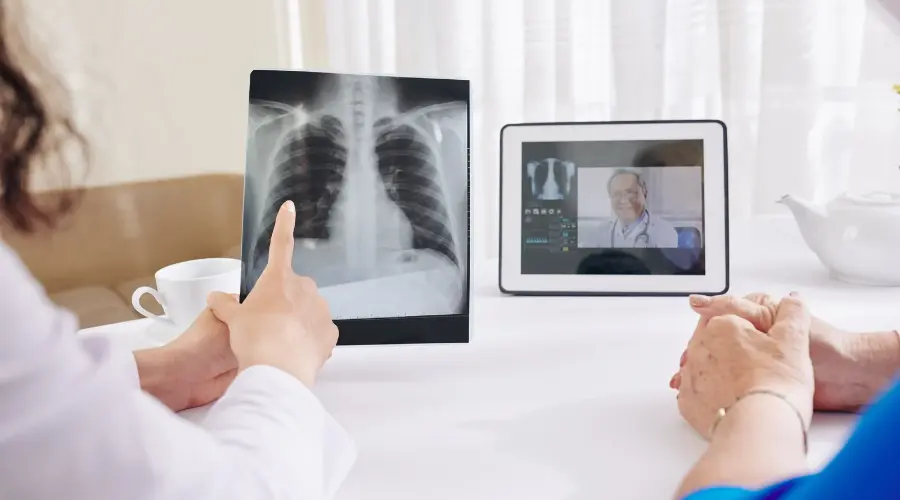
Doctors use a variety of tools and there is no single test that provides the whole story.
Physical examination is the initial assessment. The doctor listens to your lungs, assesses your respiratory rate, and examines you physically to obtain an instant clinical impression.
Oxygen saturation can also be monitored using a pulse oximeter which helps determine if your lungs are effectively delivering oxygen into the bloodstream, either in-hospital or at home.
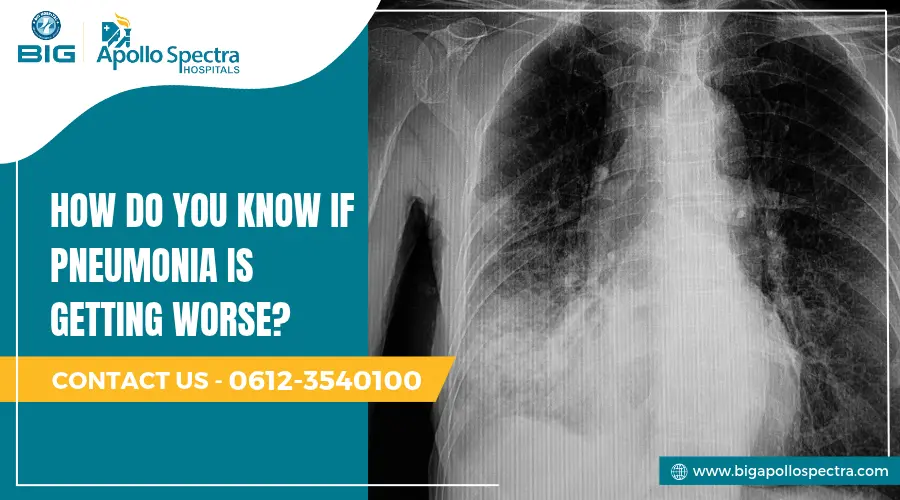
A chest X-ray will show the extent of lung involvement and help diagnose possible complications such as pleural effusions. Not all patients require repeat radiographic studies. It depends on symptoms and clinical response.
A blood test will provide evidence regarding infection and/or organ dysfunction, depending on symptoms and clinical response.
Sputum testing is conducted to isolate the pathogen when there has been no improvement with standard therapy.
Bronchoscopy may be considered in more complicated or unusual cases to evaluate the airways further. This is not a common procedure but rather one that should be reserved for those where more direct lung examination is needed.
What Should You Do If Pneumonia Symptoms Are Getting Worse?
Call your treating doctor. Do not wait to see if things sort themselves out when you are noticing clear changes worsening breathlessness, returning fever, or new confusion are not symptoms to ride out at home.
For emergency warning signs, go straight to a hospital.
What helps in the meantime:
- Follow your prescribed treatment plan exactly
- Do not change your medication without medical advice even if you feel better or worse
- Monitor oxygen levels at home if your doctor has asked you to, and do it consistently
- Keep up fluid intake unless advised otherwise
- Avoid smoking and stay clear of respiratory irritants dust, fumes, strong chemical smells
- Attend follow-up appointments even if you feel you are turning a corner
Home remedies are not a substitute for treatment here. If symptoms point to an emergency, stay-at-home management is not an option.
When Should You Consult a Pulmonologist in Patna?
Dr. Vaibhav Shankar MBBS, DNB (Pulmonary Medicine), Sleep Medicine Expert with over 12 years of experience leads the Pulmonology department at BIG Apollo Spectra Hospital, Patna. He has hands-on expertise in managing respiratory failure, pleural conditions, bronchoscopy, and complex lung infections.
The following situations require a physician to evaluate your condition, as they represent potential emergency respiratory issues. These include:
- Persistent shortness of breath or worsening of shortness of breath,
- Recurring respiratory infections,
- A cough that is chronic and will not resolve on its own,
- Abnormal oxygen saturation reading(s),
- pneumonia that is not responding to initial treatment.
As a pulmonologist doctor in Patna, Dr. Vaibhav Shankar, and the pulmonology team at BIG Apollo Spectra Hospital has the most advanced interventional pulmonary capabilities for pulmonologists and the ability to reassess treatment strategies, identify possible complications, and provide management for all types of respiratory disease that cannot be treated with standard care.

Frequently Asked Questions
1. How quickly can pneumonia become serious?
In healthy adults, serious deterioration usually takes several days. In high-risk groups older adults, young children, or those with existing conditions it can happen within 24 to 48 hours.
2. How do you know if pneumonia treatment is working?
Signs that pneumonia is improving include fever coming down, easier breathing, and more energy. Most patients see clear progress within three to five days of appropriate treatment. No improvement by then calling your doctor.
3. Can pneumonia get worse after starting antibiotics?
Yes. Pneumonia not getting better with antibiotics may mean a resistant bacteria, a viral cause, or a developing complication. Any of these need medical reassessment, do not adjust your medication on your own.
4. What oxygen level is concerning in pneumonia?
Saturation consistently below 94% at rest warrants medical attention. Below 90% is a serious finding requiring urgent evaluation. These are general reference points your doctor interprets them in context.
5. When should pneumonia patients go to the hospital?
Go immediately if you have severe breathlessness, cyanosis, high fever not responding to treatment, confusion, chest pain, or consistently low oxygen readings. High-risk patients should seek hospital assessment earlier, before emergency symptoms fully appear.
Seek Pulmonology Care on Time
Shortness of breath worsens, fever persists, chest pain deepens, confusion develops, oxygen levels decrease. All of these are reasons for immediate medical attention, and none should be monitored quietly at home until further instructed by your physician.
Pneumonia is a serious infection, however it is very treatable if detected in a timely manner. Therefore, if you suspect that you have early signs of pneumonia, either returning or progressing, contact your physician immediately instead of waiting.
The pulmonary specialists at BIG Apollo Spectra Hospital in Patna have the expertise to diagnose, investigate and manage all degrees of severity of respiratory conditions.
Schedule an Appointment with Dr. Vaibhav Shankar | Emergency Line: 0612-3540100