

Constipation is an experience that everyone encounters now and then. Most times it clears in a few days, and we don’t think much about it. However, once it starts to persist for weeks and returns again and again, there are a few possibilities to keep in mind. Wondering when does constipation need medical attention?
Generally, it is necessary to see a gastroenterologist if the constipation is lasting for weeks, returns even after making some real lifestyle changes, or if it is accompanied by blood in the stool, weight loss without cause, or abdominal pain that is quite severe.
Such symptoms need immediate care and one shouldn’t ignore them further. A Gastroenterologist in Patna can help understand the nature of your problem and help figure out if it is something transient or a medical issue requiring closer attention, and Dr. Deepak, Senior Consultant Gastroenterologist at Big Apollo Spectra Hospital, often sees patients with exactly the same persistent issues.
Well, in order to get a more precise understanding of the medical urgency for some cases of constipation, one must first know exactly what defines it. Some patterns are normal while others require a closer look.
What Counts as Constipation?
It’s not just about how often you go. “Normal” varies a lot from person to person, so constipation is really about a range of changes in your bowel habits.
Common constipation symptoms include fewer bowel movements than usual, hard or dry stools, straining more than normal, or that nagging feeling that you haven’t fully emptied your bowels. Sometimes, it’s difficulty passing stool at all, or simply a shift away from whatever your usual pattern is.
Doctors don’t fixate on a number, and for good reason. Normal frequency ranges anywhere from three times a day to three times a week. This, probably the biggest differentiator in the cases of constipation is change – a new pattern, persistence, or symptoms getting even worse are all signs of concern.
If you’ve been experiencing chronic constipation for weeks instead of days without knowing what is really causing your long-term situation, it’s worth an investigation to understand the cause.
✅ Consult Dr. Deepak for Recurring Symptoms
When Does Constipation Need Medical Attention?
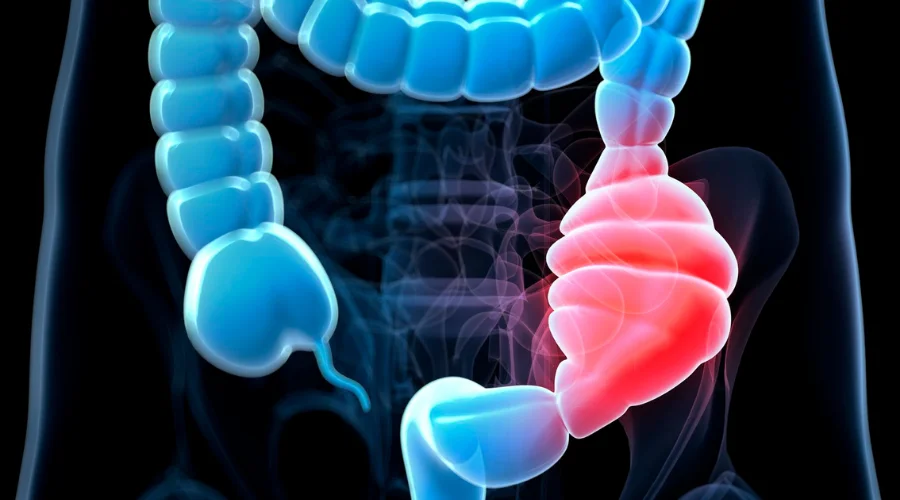
Persistent or severe constipation, or any sudden change in your bowel habits, is often your body flagging something that is worth a second look. None of these constipation warning signs mean something is definitely wrong. But each one is a fair reason to get checked instead of waiting it out.
1. Constipation That Keeps Returning
If you’ve been facing constipation in a recurrent cycle, needing help by using laxatives or home treatments to cope each time, you must seek a proper medical consultation.
Recurrent bouts that cause you to miss work, interfere with your sleep or your other routine activities are not things that you should put up with silently.
And the fact that you repeatedly use home remedies to manage the symptoms without identifying the root of the issue will keep the problem hidden, which might even be worsening gradually beneath the surface.
2. Sudden or Persistent Change in Bowel Habits
New constipation with no obvious trigger, no change in diet, activity, or routine, deserves attention if it sticks around. Same goes for a shift in your normal pattern that doesn’t budge even after you’ve eaten better, hydrated more, and moved around more. At that point, something beyond simple lifestyle factors is probably at play.
3. Severe Abdominal Pain or Swelling
There’s a difference between the mild discomfort that sometimes comes with being backed up and constipation paired with real abdominal pain or visible bloating. Watch for pain or bloating that keeps building instead of easing off once things start moving again.
4. Blood in the Stool
Don’t just chalk this up to straining. Blood can come from something minor, like a small tear while passing very hard stool, but it can also come from causes that genuinely need evaluation.
Either way, this isn’t a symptom to self-diagnose. If you’ve noticed blood alongside a change in your bowel habits, it’s worth reading our piece on gastrointestinal bleeding and if it can heal on its own which explains why this symptom is worth getting looked at properly.
5. Unexplained Weight Loss or Loss of Appetite
Losing weight without trying, or losing your appetite while your bowel habits are also changing, is a combination doctors take seriously. Together, alongside altered bowel habits, they’re worth a proper medical assessment rather than a wait-and-watch approach.
6. Vomiting or Inability to Pass Stool or Gas
This one’s more urgent. Being unable to pass stool or gas at all, especially with vomiting on top of it, can point to a blockage. That combination needs prompt evaluation, not home treatment.

None of this means every case of constipation deserves the same level of worry, though. Most are short-lived and clear up with simple changes at home.
When Can Constipation Be Managed at Home?
Short-term constipation usually has an obvious, fixable cause. Not enough fibre. Not enough water. Less physical activity than usual. A disrupted routine, travel, a schedule change, any of it can be the cause.
Even a few days of different eating habits can throw your bowel pattern off without meaning anything more serious is going on.
In such instances, just two or three changes will usually suffice like increasing fiber foods intake (especially whole grain products), drinking more fluids (especially water), getting a bit of exercise on most days, and establishing a proper toilet routine in order to get your body settled again.
If your constipation is recent, mild, and clearly tied to something like this, give it a week or two before you start worrying.
Read 👉 How to Manage Constipation Naturally?
But, if after a short while (< 1-2 weeks), any of these changes doesn’t relieve your constipation, it’s time to start exploring the possibility of a proper in-clinic consultation.
Can Chronic Constipation Point to an Underlying Condition?

Sometimes, yes. Persistent constipation isn’t always about diet and activity levels. It isn’t always easy to pin down either, and the causes tend to fall into a handful of broad categories rather than one obvious answer.
Diet and lifestyle remain common contributors, but so do medications, painkillers, antidepressants, and blood pressure drugs among them, which can slow the gut down. Digestive disorders like irritable bowel syndrome change how the bowel moves stool along.
Hormonal and metabolic issues, thyroid conditions especially, sometimes play a role too. Less commonly, a structural problem within the bowel itself restricts normal passage.
Let us rephrase this: the mere fact that you’re constipated doesn’t mean that you’ll develop colon cancer. Most people who come to us with concerns about chronic constipation and colon cancer are quite surprised to find out that these two aren’t directly linked.
A persistent change in bowel habits, and especially when they are accompanied by other warning signals as the ones we discussed above, would definitely warrant a visit to a doctor. This post on “Is Chronic Constipation a Sign of Colon Cancer?” goes into the matter in more detail.
Sometimes, though, the cause is far more mundane, and it might even be in your medicine cabinet.
Can Medicines Or Supplements Cause Constipation?
Yes, some medicines and supplements are capable of causing or exacerbating constipation. Iron supplements, in particular, rank among the most common culprits for causing constipation. Many people experience constipation from iron supplements.
One case where such a connection exists that’s already been verified is when you begin having constipation just after you get a prescription of iron medications for anemia. However, this situation is still totally treatable, and you don’t have to stop the treatment.
The same kinds of constipation-inducing effects are also seen with some painkillers or certain medicines for blood pressure treatment.
Nevertheless, please do not discontinue medication on your own if you are experiencing constipation after starting its use. Rather, let your doctor know during your next regular check-up. He or she may adjust the dose accordingly, or suggest another treatment.
The doctor may also help you rule out the medication cause, which begs the next question: when is it actually time to get checked?
When Should You See a Gastroenterologist for Constipation?
Once constipation stops being a once-in-a-while inconvenience and starts becoming a pattern, a specialist consultation is worth it. See a constipation doctor if:
- It’s persistent or keeps recurring
- Lifestyle changes genuinely haven’t helped
- Warning signs show up, like blood in the stool or unexplained weight loss
- It’s starting to interfere with your day-to-day life
- There’s been a real shift in your usual bowel pattern
- You can’t pinpoint an obvious cause
This is exactly the kind of case Dr. Deepak sees regularly at Big Apollo Spectra Hospital, Patna, backed by more than 20 years experience in gastroenterology.
Patients dealing with ongoing digestive complaints, constipation, bloating, abdominal discomfort, often turn to a stomach specialist in Patna for a straight answer instead of continuing to guess.
Consult Dr. Deepak if your constipation has stuck around longer than it should. Once you’re actually in front of a specialist, the evaluation itself tends to be simpler than people expect.

What Can a Doctor Check for Persistent Constipation?
It usually starts with a conversation, not a test. Your doctor will ask about your medical history, your diet, how long the constipation has been going on, and any medications or supplements you’re taking, since a fair few can contribute to this problem.
A physical exam typically follows, along with questions about frequency, consistency, and anything else you’ve noticed.
Tests come in only when they’re clinically indicated, not as a default. Blood work can flag thyroid or metabolic issues, and a colonoscopy gets considered when warning signs are present or the cause remains unclear, not as a routine step for every constipated patient.
If one’s recommended, Is Colonoscopy Painful? Tips to Follow Before the Procedure walks through what that actually involves and what you can expect.
Whether you need any tests or not, there’s still plenty you can do on your own to keep constipation from turning into a repeat problem.
How to Prevent Constipation From Becoming a Recurring Problem?
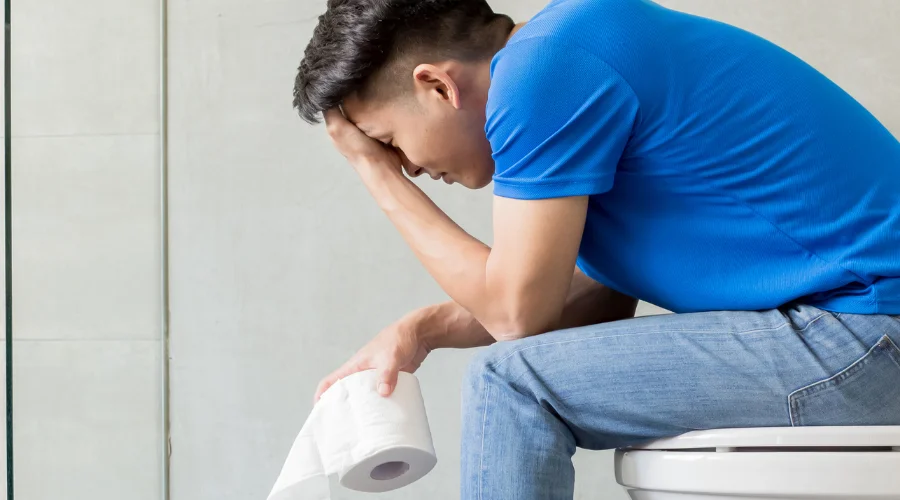
A handful of consistent habits go a long way. Eat enough fiber, fruits, vegetables, and whole grains. Stay hydrated. Move regularly. Stick to consistent toilet habits so your body settles into a rhythm.
Beyond that, pay attention when something changes and persists, rather than brushing it off, and if you suspect a medicine is behind your symptoms, bring it up with your doctor instead of just living with it.
Try not to fall into a pattern of self-medicating without ever figuring out the actual cause; that habit tends to delay a diagnosis that would otherwise be pretty simple. Note that a fibre-rich diet does more heavy lifting here than most people give it credit for.
If these habits don’t keep things regular, or any of the warning signs we discussed show up, that’s your cue. Get it looked at.
FAQs
Following are some of the most common queries (answered) for people who face recurrent episodes of constipation and don’t know when is the best time to get medical help.
1. How do I know if my constipation is serious?
It’s likely serious if it lasts more than a few weeks, keeps returning, or comes with blood in the stool, unexplained weight loss, or severe abdominal pain.
2. How long before constipation is serious?
Past three weeks, or if it keeps recurring despite genuine lifestyle changes, it’s generally time to see a doctor.
3. I haven’t pooped in 7 days. Should I be worried?
Yes. No bowel movement in 7 days but passing gas still warrants medical evaluation. That’s well beyond typical constipation.
4. What’s the longest constipation can last?
There’s no fixed limit, but constipation stretching past two to three weeks without improvement usually needs medical assessment rather than continued home care.
5. How long is too long to be constipated?
Generally, more than three weeks, or repeated episodes over a few months, counts as too long to manage without a doctor’s input.
6. Can constipation be a sign of colon cancer?
Rarely on its own. Long-term constipation combined with blood in the stool, weight loss, or a shift in bowel habits is what actually warrants evaluation.
7. Should I see a gastroenterologist for long-term constipation?
Yes, especially if it’s recurrent, unexplained, or not improving with diet and lifestyle changes. A gastroenterologist can help identify the cause and guide constipation treatment.
8. When does constipation require urgent medical attention?
Seek urgent care if you can’t pass stool or gas at all, you’re vomiting, or you have severe abdominal pain and swelling that keeps getting worse.
9. How do I relieve constipation on the toilet immediately?
Try leaning forward with your feet raised on a stool. But if you consistently can’t poop but feel like you have to, that’s worth mentioning to a doctor rather than something to keep trying to work around.
10. What are the constipation danger signs in adults?
Blood in the stool, severe pain, vomiting, unexplained weight loss, and an inability to pass stool or gas at all count as constipation danger signs in adults.
11. What are the effects of constipation on the body?
Common effects of constipation on the body include bloating, abdominal pain, hemorrhoids, and, in severe cases, complications that need medical evaluation.
Seek Care When Constipation is Persistent Or Worsening!
Most constipation isn’t a red flag. It’s uncomfortable, it’s annoying, and then it passes. But a pattern that keeps repeating, or one that comes with warning signs, deserves real attention rather than another attempt at waiting it out. Quick recap of when to act:
- Constipation lasting more than three weeks, or returning again and again
- Blood in the stool, unexplained weight loss, or severe abdominal pain
- No improvement despite fibre, hydration, and activity
- Inability to pass stool or gas, or vomiting alongside constipation
If any of that sounds familiar, don’t keep sitting on it. Dr. Deepak at Big Apollo Spectra Hospital, Patna, can help you figure out what’s actually going on. Book an appointment and get your constipation symptoms checked properly.