Emergency medicine has experienced a fundamental shift because of the concept of “golden hour in stroke management”, which creates an essential time frame for fast medical response to prevent permanent disability.
The implementation of golden hour thrombolysis in acute ischemic stroke care has proven to enhance patient results and make every passing minute count for stroke treatment.
The golden period serves as more than a treatment duration; it embodies the immediate action to protect brain tissue and achieve optimal patient results.
The practice of stroke care has moved past traditional time-based limitations because healthcare systems now use data analytics to achieve better results through innovative therapeutic methods and advanced medical infrastructure.
The current stroke treatment environment demonstrates how emergency response teams working with specialized stroke units and advanced medical systems create better patient recovery results through coordinated efforts.
Golden Hour in Stroke Treatment
The golden hour in stroke care represents the essential 60-minute period after symptom appearance when medical interventions help achieve the highest success rates. This short window of time allows doctors to save brain tissue while preventing permanent neurological injuries from occurring.
The stroke golden hour principle developed from multiple clinical studies which proved that immediate thrombolytic treatment generates significantly better results than delayed medical intervention.
The treatment of patients within one hour after symptom onset results in outstanding outcomes while eliminating all risk of iatrogenic bleeding, thus proving the safety and effectiveness of fast medical response.
The penumbra area surrounding the infarct core serves as the biological foundation for the golden time in stroke treatment because it remains viable but at risk. The restoration of blood flow to this tissue during the initial period preserves its function but prolonged delays may result in permanent damage.
The time-sensitive nature of stroke treatment underscores the importance of seeking immediate medical attention from specialized care providers. For individuals in Bihar, consulting a qualified neurologist in Patna—where stroke-ready hospitals and experienced teams are available—can significantly improve the chances of recovery.
The emergency department together with ambulance services and stroke teams now use this urgent time-based method to deliver coordinated patient care.
Evidence-Based Impact of Golden-Hour Treatment
Research conducted recently demonstrates that golden-hour stroke intervention produces effective results. The MSU group received tPA treatment during the first golden hour ten times more often than other groups and their excellent recovery rates doubled compared to patients who received treatment after the first hour. The study proves that delivering treatment as soon as possible produces major positive results.
The research shows that patients who get treatment during the first hour achieve better functional independence and experience lower mortality rates and fewer complications.
The analysis of the study shows that stroke patients who receive treatment during the golden hour achieve better clinical results with patients reaching modified Rankin Scale scores of 0-1 at higher rates than patients who receive treatment at later times.
The golden time for stroke recovery principles deliver consistent results for all patient groups including older adults and people with comorbidities.
What Happens in the Golden Hour? Immediate Actions
The golden hour of stroke intervention requires multiple essential procedures to run simultaneously.
1. Recognize Stroke Symptoms Using FAST
The FAST method helps you identify stroke symptoms through its four components:
- Face drooping
- Arm weakness
- Speech difficulty
- Time to call emergency services
The speed of stroke recognition matters because each passing minute leads to increased brain tissue damage.
2. Call Emergency Medical Services (EMS) Immediately
Emergency services need to be contacted instead of driving the patient to the hospital. The emergency medical service personnel start stroke treatment protocols while transporting patients to the hospital.
3. Note the Time of Symptom Onset
Note down the exact time when symptoms began or when the person showed no signs of illness. The recorded time helps doctors determine if the patient qualifies for tPA or thrombectomy treatment.
4. Keep the Patient Calm and Safe
Lay the person down while elevating their head slightly. The patient should not receive food or drink or any medication because these could lead to choking or make their condition worse.
5. Prepare Medical Information (If Available)
Make sure to have all medical history information, medication lists, and allergy details available. The availability of this information helps medical staff make decisions more efficiently after EMS or hospital staff take over.
6. Stay on the Phone with Emergency Services
Stay connected with emergency dispatchers through the phone until emergency responders reach the scene. The dispatcher will provide instructions for patient care including CPR and positioning techniques when needed.
7. Ensure Quick EMS Access to the Patient
The ambulance team needs unobstructed access to the patient for fast response times. A person should accompany the ambulance team to show them exactly where the patient is located.
The fundamental elements of stroke golden hour management depend on these coordinated actions to achieve the best results during the first 60 minutes.
Treatment Initiation Steps

Upon hospital arrival, systematic treatment protocols ensure rapid intervention during the golden time for stroke treatment:
Step 1: Emergency Department Triage
The hospital provides stroke patients with urgent care through direct transfer to stroke evaluation areas. The nursing staff starts following established stroke protocols and gets vital signs and prepares for physician evaluation. The fast triage system prevents delays that allow for immediate medical evaluation of patients.
Step 2: Physician Assessment and History
The emergency physicians and neurologists perform neurological tests and gather essential medical background information from patients. The medical team receives information about symptom start time and patient condition before treatment from family members and witnesses who witnessed the event.
The assessment process helps determine which treatments are available to patients and which interventions should be used.
Step 3: Imaging and Laboratory Coordination
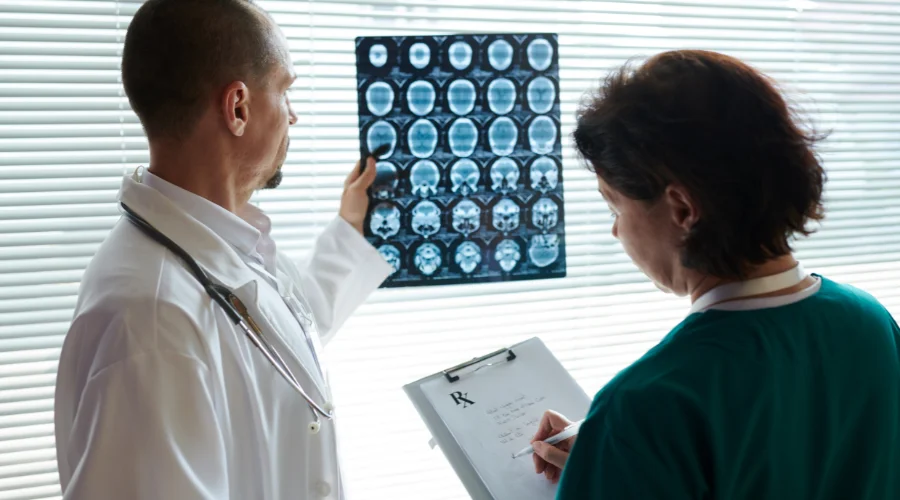
The radiology department gives stroke patients priority access to CT or MRI scans while laboratory personnel work on essential blood tests.
The medical team reviews test results immediately to check for any treatment restrictions and verify stroke diagnosis. The medical team performs CT angiography and perfusion studies as part of advanced imaging procedures for treating complex stroke cases.
Step 4: Treatment Authorization and Preparation
The treatment teams start preparing thrombolytic agents and endovascular procedures after confirming patient eligibility.
At Big Apollo Spectra, our head specialist doctor in Patna provides consultation to determine the most suitable treatment approach and its optimal timing. The patient receives closer monitoring during this period to identify any developing complications.
Step 5: Intervention Delivery
The medical staff delivers thrombolytic therapy through intravenous protocols under close observation while endovascular procedures take place in dedicated treatment rooms.
The medical staff keeps patients under close observation through neurological and cardiovascular monitoring during the entire treatment process.
The healthcare team creates immediate post-intervention care plans to achieve the best possible recovery results. The established systematic procedures help patients achieve the most effective results from stroke timeline adherence during the golden hour while reducing the risks of treatment side effects.
Golden Hour Protocol Strategies
Effective stroke systems implement comprehensive strategies to optimize golden hour of stroke intervention delivery:
1. Prehospital Triage and Recognition
Emergency medical services train their staff to detect stroke symptoms correctly and make emergency transport choices. Paramedics at advanced levels use stroke scale assessments, large vessel occlusion screening tools, and direct hospital communication systems.
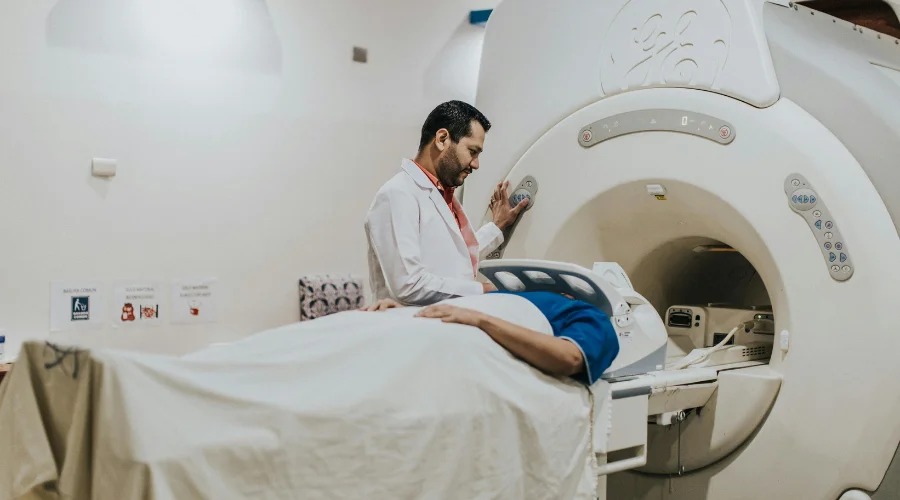
Mobile stroke units serve as mobile treatment facilities which deliver advanced diagnostic equipment and therapeutic options to patients at their locations.
2. Rapid Imaging Infrastructure
Hospitals invest in dedicated stroke CT scanners that operate 24/7 with full-time technologist support for imaging services. The combination of advanced imaging protocols with automated processing systems reduces examination duration while delivering precise diagnostic results.
The telemedicine system enables medical experts to analyze complex cases through remote consultations when specialized interpretation becomes necessary.
3. Hospital Workflow Optimization
The implementation of standardized stroke team protocols at hospitals reduces unnecessary procedures and creates efficient treatment pathways. The activation of Code stroke starts a coordinated response that brings neurology, radiology, laboratory, and pharmacy teams to the scene.
The electronic medical record system enables healthcare providers to monitor treatment performance metrics and benchmark data in real time.
4. Stakeholder Coordination Systems
The complete stroke network system connects emergency medical services with stroke centers and rehabilitation facilities for coordinated patient care.
The training programs for all team members focus on their specific duties to execute stroke treatment protocols during golden time. Quality improvement initiatives continuously refine processes based on outcome data and best practice evolution.
The integrated methods establish smooth patient care transitions that optimize golden hour stroke timeline benefits while preserving treatment quality standards.
Modern stroke systems understand that optimal results emerge through united work between different healthcare teams and service domains. The success of golden hour protocols depends on the proper integration of all components rather than the excellence of individual elements.
Present & Future Innovations
The new stroke treatment methods use neuroprotective approaches to protect brain tissue during the golden time for stroke recovery.
The combination of collateral flow enhancers with adjunctive therapeutic agents demonstrates potential in extending viable tissue preservation which could lead to new treatment options outside of established time constraints.
Scientists currently investigate how hypothermia protocols, antioxidant therapies, and new neuroprotective compounds can help reduce cellular death rates during stroke recovery.
The optimization of stroke care through digital triage systems and artificial intelligence applications represents a major breakthrough in medical technology.
AI-based prehospital stroke alert systems use symptom pattern analysis to automatically send alerts to hospitals while remote imaging will allow expert consultations in areas with limited medical access.
Future medical breakthroughs will bring wearable stroke detectors, automated emergency response systems, and customized treatment plans based on genetic profiles, transforming golden hour intervention into precision medicine.
Actionable Tips for Public
The successful implementation of the golden hour stroke timeline depends heavily on public education and awareness programs.
People who understand stroke symptoms properly will enhance their treatment success rates because they can detect symptoms early and contact emergency services correctly.
1. FAST Symptom Recognition Checklist
The FAST acronym teaches people to check for Face drooping, Arm weakness, Speech difficulties, and Time to call emergency services. People should stay informed about stroke symptom detection and teach their family members to spot stroke signs right away.
The symptoms of stroke include sudden confusion, vision problems, severe headaches, and coordination issues which need immediate medical care.
2. Emergency Medical Services Activation
People should contact emergency services right away instead of trying to drive to hospitals on their own. The paramedics start providing medical care while transporting the patient to the hospital and alert the receiving facility about the patient’s expected arrival.
The patient’s symptom start time and medical background information should be provided to healthcare staff for creating the best possible treatment approach.
3. Hospital Selection Considerations
Patients should choose to go to comprehensive stroke centers or facilities like advance neuro hospital Patna when possible. Specialized stroke centers provide patients with the best possible care through endovascular procedures and advanced neurological monitoring systems.
4. Family Preparedness Strategies
People should keep their emergency contact details, medical records, and medication lists easily accessible for fast reference during crises.
You should also work with your healthcare provider to understand the stroke risk factors and create individualized prevention plans. Regular health check-ups enable patients to detect and control elements that raise their chances of getting a stroke.
5. Community Education Participation
You can also join stroke education programs in your area while supporting initiatives that promote stroke awareness throughout the community.
Share accurate stroke information with friends, family, and community members to expand recognition capabilities. Support healthcare system improvements that enhance golden hour treatment access and quality.
These proactive steps enable people to actively join forces with others to stop strokes before they happen and to provide immediate care when they do occur.

Golden Hour Matters – Get Help Fast
The treatment of stroke depends on immediate action during golden hour because each passing minute determines whether patients will recover successfully.
The combination of fast medical response systems protects both lives and brain function. So, healthcare providers need to optimize their systems and policymakers need to fund stroke networks while the public needs to understand how to identify stroke symptoms.
Big Apollo Spectra provides complete neurological care through its 24/7 emergency response and state-of-the-art stroke treatment facilities. Our team of specialists delivers top-notch golden hour care through advanced medical technology which provides patients with the best possible treatment during their most critical recovery period.