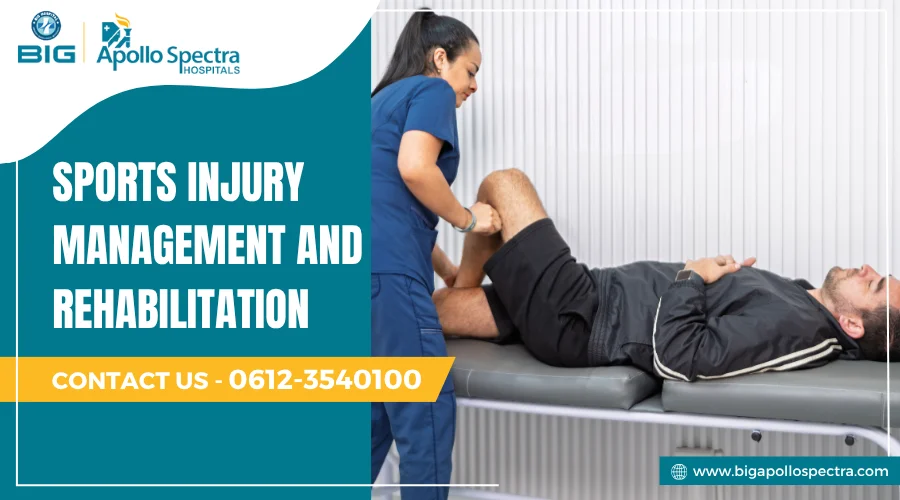
Athletes at all competition levels experience rising physical stress because sports have become more demanding. The consequences of improper injury treatment become severe because it has the potential to lead to chronic problems and repeated injuries which prolong your absence from competition.
Modern athletes need specific multifaceted treatment methods because they encounter specific biomechanical and psychological challenges during their recovery.
This blog provides a comprehensive guide to sports injury management and rehabilitation processes. The blog details injury progress through different stages while presenting current evidence-based recovery methods and explains why complete treatment approaches deliver better results.
We present physical rehabilitation methods as well as the mental aspect of recovery strategies and data-based athlete return-to-sport protocols.
Understanding Sports Injuries: Severity & Athlete Profiles
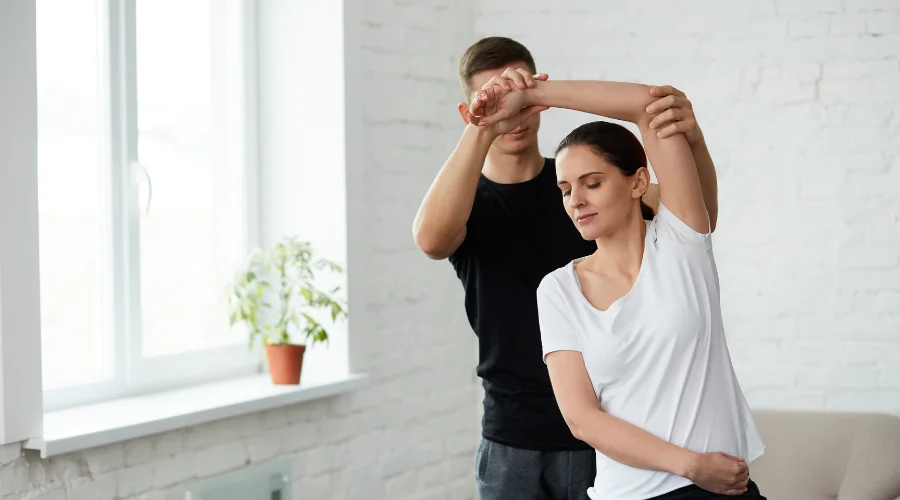
Sports injuries present various treatment requirements because they exist in different forms. The three main categories of sports injuries consist of soft tissue injuries which include sprains, strains, and contusions.
The development of tendinopathy and stress fractures occurs through repeated stress. High-impact sports events lead to sudden traumatic injuries which include ACL tears and dislocations.
Categorizing Injuries by Severity
The level of injury severity determines what patients can expect from their recovery process. The body experiences immediate damage from acute injuries which start with clear onset like when someone twists their ankle or experiences a collision-based impact.
The duration of sub-acute injuries spans between two weeks and six weeks after acute inflammation begins resolving. The recovery process for chronic injuries extends beyond six weeks because they involve ongoing inflammation or incomplete healing.
Athlete Profiles & Injury Risk
Your recovery path depends heavily on your specific characteristics. Youth athletes heal faster but need strict exercise control to prevent growth plate complications. Adult recreational athletes need to manage their training schedule with their other life responsibilities. Elite competitors need to rush their recovery because they face demanding training schedules and an elevated risk of re-injury.
The type of sport also matters. The recovery process for swimmers differs from football players because their sports require different movement patterns and impact loads. Your rehabilitation speed also depends on your body mechanics, baseline fitness level, and your past training activities.
Your recovery success depends heavily on recognizing these individual factors which need individualized treatment approaches for every intervention.
Sports Injury Management and Rehabilitation: The 5 Stages Plan
The recovery process requires a specific sequence which starts with immediate damage control through return to competitive play. Your ability to establish proper recovery targets depends on understanding these separate recovery phases which also guide your communications with your rehabilitation team.
Stage 1: Immediate Response & Damage Control
The first 48 hours after an injury are crucial for recovery. The first response to injury should focus on preventing further damage and managing inflammation. Modern approaches go beyond the traditional RICE protocol (rest, ice, compression, elevation).
The current evidence supports PEACE & LOVE as the preferred method for injury recovery which starts with Protection, Elevation, Avoid anti-inflammatory modulation during this early phase (PEACE) before moving to Load, Optimism, Vascularization, and Exercise (LOVE) as healing progresses.
Medical imaging and specialist diagnosis should be obtained on time instead of trying self-management for injury treatment.
Stage 2: Clinical Assessment & Custom Injury Pathway
A qualified clinician conducts functional assessment to determine how your injury affects your body movements. The Functional Movement Screen (FMS) and Selective Functional Movement Assessment (SFMA) help identify compensation patterns and structural deficits in your movements.
Your specific injury and recovery targets determine the evidence-based rehabilitation pathway that our orthopedic doctor in Patna would also consider for your personalized treatment plan.
Stage 3: Active Rehabilitation
The main focus of this stage involves tissue loading progression which requires step-by-step increases in stress on healing tissues. The process of motor control retraining enables you to regain your ability to coordinate muscle activation patterns.
Pain science education teaches you that pain signals do not always indicate danger, so you can minimize fear-avoidance behaviours which prolong your recovery time. Your rehabilitation program will include specific exercises which test your tissues at safe intensity levels.
Stage 4: Performance Restoration
You will progress to sport-specific drills which duplicate the conditions of actual competition when your healing process reaches a certain point. The development of athletic qualities through strength-speed-power progression occurs in a controlled and methodical way.
Your body needs to develop neuromuscular control and reflexes to handle the fast and unpredictable sports-related movements. The rehabilitation process at this stage connects general recovery work to return to competitive sports participation.
Stage 5: Return-to-Play & Long-Term Maintenance
The assessment of readiness for competition depends on numerical data which healthcare providers use to confirm your readiness. The assessment includes multiple tests which evaluate strength ratios, hop tests, and sport-specific performance measures.
Your readiness depends on both physical and mental preparedness. The process of returning to competition should start with slow progress to competitive levels because sudden or forceful reentry often leads to injury recurrence.
The recovery process follows a planned sequence which allows you to develop your abilities step by step instead of rushing through the healing process.
Evidence-Based Rehabilitation Techniques at Big Apollo Spectra
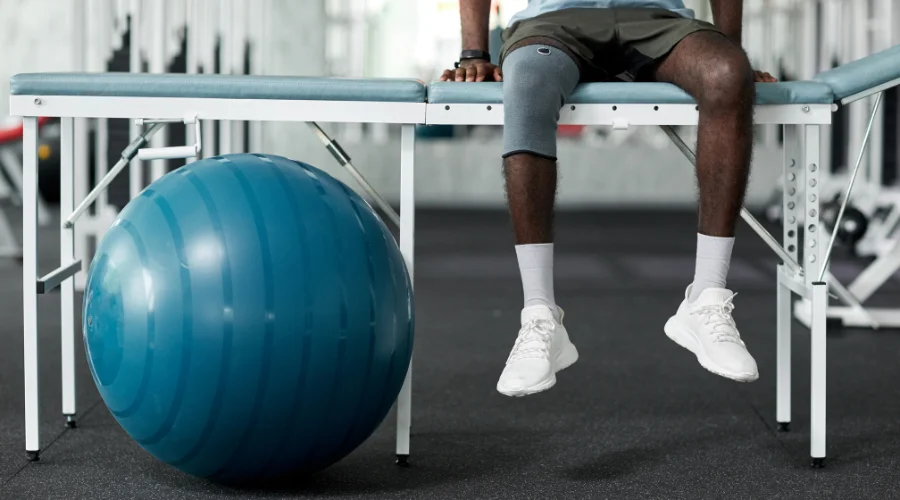
The different recovery methods focus on particular healing needs which include movement pattern recovery and strength and power development. Your injury and athletic objectives will benefit from a complete rehabilitation program which combines evidence-based methods.
1. Manual Therapy & Adjunct Treatments
Skilled hands-on work helps patients overcome soft tissue restrictions and scar tissue and joint mobility limitations. The process of soft tissue therapy helps to break down adhesions. Joint mobilization helps patients achieve normal movement patterns.
The application of temperature modalities needs strategic planning because cryotherapy works best for treating acute inflammation and pain while heat therapy supports muscle relaxation and chronic recovery.
Compression aids fluid management and proprioceptive feedback. Search for a “bone hospital near me”; they usually provide these treatments and the experienced physiotherapists at the facility will guide appropriate timing and application.
2. Movement Retraining
The entire movement system needs to be restored for proper kinetic chain function because treating only the injured area is insufficient. The recovery process for running injuries requires gait retraining to teach new movement patterns which will decrease future injury risks.
The identification and correction of technique flaws which led to the injury will help prevent future occurrences. The process demands both self-evaluation and regular practice sessions.
3. Strength Training for Recovery
The lengthening of muscles under weight-bearing stress through eccentric training shows exceptional benefits for treating tendon injuries. Isometric exercises help joints achieve stability while controlling pain symptoms without causing excessive body movement.
The same principles of progressive overload which work for competitive training also apply to rehabilitation but require protective measures to prevent re-injury. Your rehabilitation program will introduce new challenges at controlled intervals throughout the recovery period.
4. Technology-Assisted Rehab
The motion capture system delivers precise feedback about how well you perform your movements. Wearable devices monitor both the amount of weight you lift, your recovery indicators, and your readiness to return to sports activities.
Blood flow restriction therapy (BFR) enables strength development through reduced external load which proves beneficial during initial rehabilitation phases.
The anti-gravity treadmill system lets athletes perform running exercises while their healing tissues experience decreased stress. The recovery process benefits from these tools because they generate essential data for making treatment decisions.
These varied techniques work synergistically, addressing different aspects of your injury and recovery simultaneously.
The Psychological Component of Sports Injury Recovery
Your mental state experiences the same level of impact from injury as your physical body does. Athletes develop anxiety about sport participation and experience frustration with their recovery boundaries and ongoing concerns about future injuries.
The psychological reactions athletes experience following injuries need immediate attention because they affect recovery duration and final results just as much as physical treatments do.
Thus, your recovery process requires you to maintain open communication with your coach and clinical team. A support network protects athletes from receiving conflicting information which might force them to return too quickly or impose unjustified restrictions.
Your recovery process benefits from having all team members understand your actual readiness level and treatment duration because it helps you avoid dangerous hasty returns.
Sports psychology integration during rehabilitation leads to better recovery results for patients. The goal-setting methods help athletes stay focused when their recovery progress is slow.
Your nervous system learns to handle sport-related tasks through visualization methods before you start physical training again. The combination of confidence-building activities helps athletes overcome their fear of injury while they learn to trust their physical body again.
So, mental skills function as essential elements which merge with physical rehabilitation to form a complete healing system. The healing process becomes a team effort when psychological elements receive equal importance to physical training.
Monitoring & Maintaining Progress After Recovery
The process of recovery extends past your return to competitive sports. Your long-term health depends on continuous evaluation and strategic changes which stop athletes from experiencing repeated injuries.
Your body will give you essential recovery information through its natural signals which you should learn to recognize during this period.
1. Self-Screening Techniques
Develop skills to check your physical condition at regular intervals. Your body sends essential signals through pain patterns, movement quality, and fatigue response which help you understand your condition between doctor visits.
Your ability to understand your injury and recovery process will improve through direct observation of your body.
2. When to Modify or Scale Training
Recovery setbacks occasionally occur during the process. Athletes who understand when to decrease training intensity instead of pushing through normal discomfort will avoid re-injury better than others.
Your physiotherapist will teach you to recognize when to adjust your training through educational sessions and regular performance assessments.
3. Periodic Check-Ins with Physiotherapists
Physiotherapists at Big Apollo Spectra perform scheduled check-ups of their patients. Our rehabilitation team needs you to stay connected after your initial recovery period. Your maintenance program will receive precise adjustments through early detection of problems during scheduled assessment sessions.
These scheduled meetings will also enable you to receive objective feedback about your long-term development while helping you modify your training methods.
The common pattern where athletes recover from injuries, return to sport fully, then experience re-injury within months occurs because their rehabilitation was incomplete or they managed their training loads poorly.
Start Your Recovery Journey With Confidence
The process of structured, stage-based rehabilitation helps athletes achieve better strength and resilience when they return to their sports. The combination of physical methods with psychological support and data-based tracking leads to better results in patient recovery.
Note that sports injury rehabilitation needs athletes to be patient during the recovery process. The recovery process advances through established phases which protect your athletic future even though they sometimes create delays.
Our evidence-based rehabilitation process for sports injuries follows established stages which work for all types of injuries.
Early intervention and personalized rehabilitation plans, tailored to your specific needs and goals, determine the success of your rehabilitation program which leads to successful sports returns instead of enduring chronic injuries.
Athletes who have suffered sports injuries should seek professional help during their recovery process. Big Apollo Spectra Hospital provides complete physiotherapy and sports injury rehabilitation services which focus on athlete needs.
Our team of experts specializes in sports injury physiotherapy and sports injury management and rehabilitation services for athletes at all competitive levels. Our team provides professional guidance to help you safely return to competition after recovering from most sports injuries and complex traumas. Contact us today to start your structured recovery program.