
Hernia is one of the leading surgical conditions which affect millions of people throughout the world. The condition of hernia develops when an organ or tissue breaks through a weak point in the surrounding muscle or connective tissue which produces a noticeable bulge that requires medical attention. While hernias can develop in various parts of the body, inguinal hernias are the most prevalent, followed by umbilical and incisional hernias.
The medical field now uses laparoscopic surgery as a modern hernia repair method which provides patients with a less invasive treatment than traditional open surgery. The surgical method employs small incisions and specialized instruments like a laparoscope to fix hernias while operating from within the abdominal cavity.
The increasing use of this surgical method has led patients to ask about its safety performance relative to standard surgical procedures. Patients who need hernia treatment and their healthcare providers must understand the safety aspects of laparoscopic surgery because it determines their treatment choices.
Is Laparoscopic Surgery for Hernia Safe?
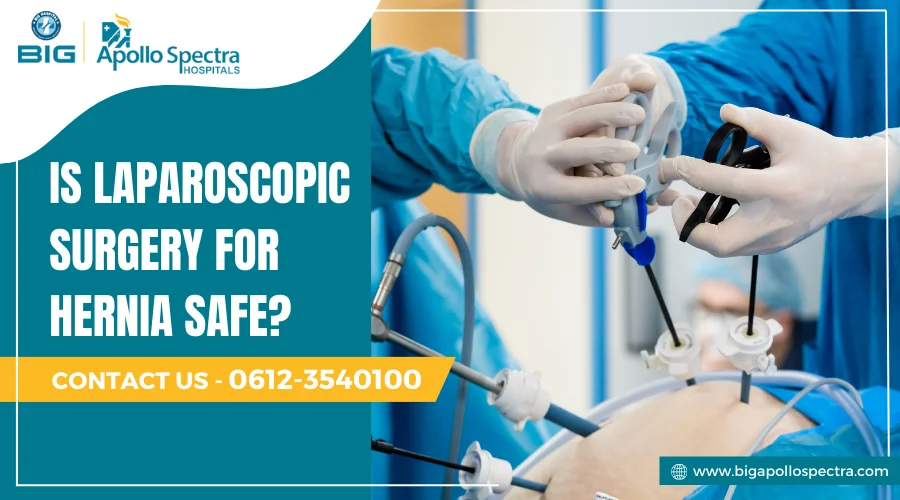
The surgical technique of laparoscopic hernia repair uses small incisions which measure between 5 to 10 millimeters to access the hernia site. The surgeon performs the procedure by placing the laparoscope through one incision while using other small incisions for surgical instrument access. The minimally invasive technique enables surgeons to place specialized mesh materials from inside the abdominal wall for hernia repair.
The safety results of laparoscopic surgery depend on the specific type of hernia that needs treatment. Research shows that laparoscopic surgery for inguinal hernia repairs achieves success rates above 95% and proves to be safe for this procedure.
The safety results of laparoscopic hernia surgery remain excellent for umbilical and incisional hernias when performed by experienced surgeons. The surgical process includes three main steps which involve identifying the hernia defect followed by reducing the herniated contents and then applying a mesh patch to reinforce the weakened area.
Patients who want laparoscopic hernia treatment can consult the best laparoscopic surgeon in Patna who specializes in minimally invasive procedures and has many years of experience. The safety results of laparoscopic surgery improve when patients receive care from surgeons who have received specialized training in this procedure.
The duration of laparoscopic hernia surgery spans between 30 minutes and 2 hours based on hernia complexity and size while most procedures finish under general anesthesia within this timeframe.
The evolution of surgical techniques has transformed hernia treatment to a safer and more convenient treatment for patients. The development of new surgical methods provides the basis to understand all the advantages laparoscopic surgery provides to patients.
Benefits of Laparoscopic Surgery
The numerous advantages of laparoscopic surgery have led to its growing adoption by surgeons and patients throughout the world.
1. Faster Recovery and Reduced Pain
The recovery process after laparoscopic hernia surgery is shorter than open surgery because patients usually need only 1-2 weeks to resume their regular activities.
The reduced tissue damage from small incisions produces less post-operative discomfort and pain for patients. The procedure also requires minimal pain medication and produces minimal chronic pain in patients after surgery.
2. Lower Infection Risk and Better Cosmetic Outcomes
The minimally invasive technique of laparoscopic surgery decreases the chance of surgical site infections and produces better cosmetic results.
The small incisions heal rapidly while creating minimal scarring which produces better post-surgical appearance. The closed surgical method protects patients from outside contaminants as well which results in lower infection rates than open surgical procedures.
These numerous advantages of laparoscopic surgery make it an appealing choice for numerous patients. However, it’s also important to understand that the procedure carries certain risks and complications that patients need to understand before undergoing surgery.
Risks and Considerations
The safety of laparoscopic hernia surgery remains high but patients need to understand all possible risks which can occur during the procedure. The knowledge of these elements enables patients to choose their treatment options wisely.
- Organ injury: The rare but dangerous complications of organ damage include bowel, bladder, and blood vessel injuries which can occur during surgery.
- Mesh-related complications: The mesh used in hernia repair may cause three types of complications: mesh migration, folding, and chronic pain at the mesh site.
- Recurrence: The recurrence rate of hernias remains low but becomes more likely with complex cases and insufficient mesh placement.
- Anesthetic complications: General anesthesia carries two main risks which include allergic reactions and respiratory issues.
The main drawback of laparoscopic hernia repair exists in the steep learning curve for surgeons and the requirement for specialized surgical tools. The carbon dioxide gas used in surgery sometimes causes brief shoulder discomfort after laparoscopy to patients. The process of hernia surgery with mesh placement may involve specific considerations regarding mesh integration and long-term outcomes.
So, is hernia surgery dangerous? Well, the death risk during hernia surgery remains low because experienced surgeons perform laparoscopic procedures with excellent safety results. The safety standards of laparoscopic hernia surgery improve continuously because of technological advancements and better surgical techniques.
Moreover, the identification of potential risks enables both medical staff and patients to select the best treatment strategy. The following section examines elements which impact a patient’s eligibility for laparoscopic surgical procedures.
Contraindications or Factors That May Affect Suitability
Multiple elements determine which surgical approach will work best for treating individual patients with hernias. Healthcare providers assess multiple factors to decide which surgical method will work best for each patient.
- Previous abdominal surgery: The extent of previous abdominal surgery creates challenges for laparoscopic access and raises the danger level of surgical procedures.
- Large or complex hernias: The treatment of large or complex hernias requires open surgical methods instead of laparoscopic approaches.
- Medical comorbidities: Patients with serious heart or lung diseases face elevated risks when undergoing anesthesia.
- Inability to tolerate general anesthesia: The need for alternative anesthesia methods exists for patients who cannot tolerate general anesthesia.
- Active infections: The presence of systemic or local infections requires surgeons to postpone surgical procedures.
- Pregnancy: The timing of hernia surgery for pregnant women needs special consideration because of their condition.
Moreover, the selection of surgical methods depends on three main factors which include patient age, medical status, and hernia size and type. The treatment of hernias in female patients requires healthcare providers to take into account both reproductive health needs and future pregnancy plans. Also, the cost of laparoscopic hernia surgery affects treatment choices although most insurance plans cover essential hernia repair procedures.
The evaluation process requires individual assessment of each patient because their unique characteristics determine the best surgical approach.
Discover Safe Hernia Solutions
Laparoscopic hernia repair stands as a safe surgical method which outperforms traditional open surgery through its multiple advantages. The medical evidence shows that minimally invasive procedures result in decreased complications, shorter healing periods, and better patient contentment.
The risks associated with laparoscopic surgery remain rare and surgeons with experience in laparoscopic procedures can effectively manage them.
The safety standards of laparoscopic hernia surgery improve with time because surgeons become more skilled and surgical methods become more advanced.
The majority of patients who have hernias should choose laparoscopic repair because it provides the best combination of safety and effectiveness with fast recovery times. The selection of hernia treatment depends on multiple factors which include patient characteristics, hernia specifics, and surgeon qualifications.
All in all, people who need hernia surgery need to discuss their treatment options with their doctor to determine the best surgical method. The selection of hernia treatment also depends on the patient’s medical background and individual treatment choices.
The minimally invasive approach of laparoscopic surgery serves as the preferred treatment for most patients because it provides quick healing and minimal scarring.
The experienced surgical team at Big Apollo Spectra Hospital provides expert evaluation and performs advanced laparoscopic hernia surgery. The hospital’s specialized surgeons trained in minimally invasive techniques deliver top-quality patient care and will help you achieve the best possible results from the surgical procedure.