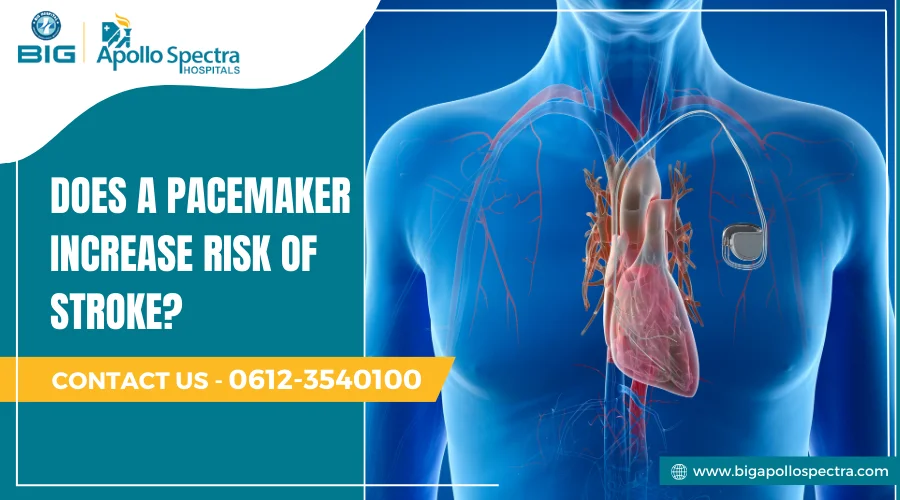
People who have had a pacemaker implanted often wonder about their chances of developing a stroke. In fact, patients frequently question their cardiologist regarding the issue; their curiosity is often fueled by insufficient knowledge and stories from fellow patients.
However, the main reason for this confusion arises from the fact that patients who receive pacemakers often have heart problems that independently affect their risk for developing stroke.
The following blog post will help distinguish between actual risk factors and false information which will help you identify your actual stroke risk factors. By the end of this blog, you’ll be in a better position to understand the role of your pacemaker for your cardiac health.
Does a Pacemaker Increase Stroke Risk?
The direct answer to this question is that a pacemaker device does not raise your chances of getting a stroke by itself.
The device functions as a rhythm-management system which enables your heart to maintain a normal beating pattern. The myth exists because patients who require pacemakers tend to have heart conditions (like atrial fibrillation and previous heart disease) which increase their chances of developing a stroke. So, the underlying condition is to blame for stroke risk rather than the actual pacemaker device.
Think of it this way: the pacemaker is like eyeglasses for your heart rhythm. Just as glasses don’t cause vision problems, your pacemaker functions as a corrective device which does not produce stroke risks itself.
However, the heart condition that requires the pacemaker may need additional management to keep stroke risk low. Your mental peace and future medical care depend on your ability to identify these distinctions.
Also, most people who receive pacemakers do not experience a higher stroke risk. However, patients often find online information which links pacemakers to stroke development. To address these concerns transparently, it is important to look at specific situations where additional factors may come into play.
Do Pacemaker Leads Themselves Increase Stroke Risk?
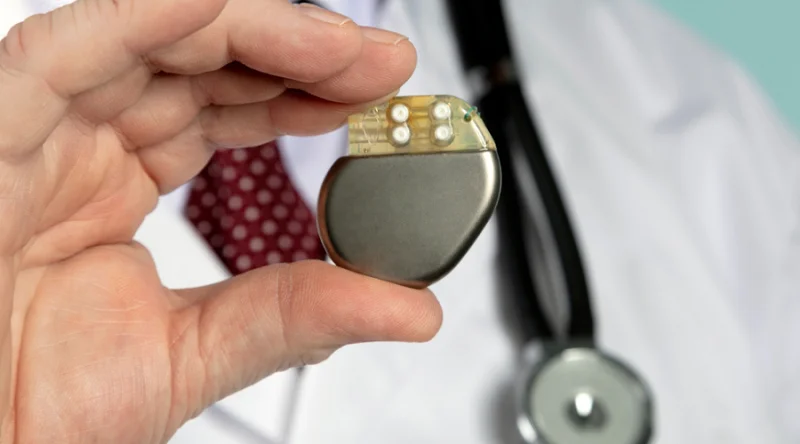
The primary purpose of a pacemaker is to control heart rhythm but its wire or lead components might occasionally contribute to blood clot development. Here’s a more detailed clarification:
- Clot Formation on Leads: Research using imaging techniques has shown that small clots can form on the surface of pacemaker leads. These conditions exist without any noticeable symptoms.
- Paradoxical Embolism: The presence of a PFO cardiac condition in patients allows lead-related clots to travel from the right heart chamber into the brain which causes stroke.
- Not Common for Most Patients: This is not a routine occurrence for all pacemaker patients, and the overall stroke risk is still more strongly influenced by underlying heart conditions like atrial fibrillation and vascular disease.
Key takeaway: Pacemakers by themselves do not raise stroke risk for patients. The risk level remains low for most patients, but specific medical situations (lead clots and PFO or other risk factors) increase the danger to a small extent which both patients and clinicians need to understand. Healthcare providers stress on scheduled device checkups to alleviate any serious complications.
When Can Stroke Risk Be Higher in Pacemaker Patients? 4 Risk Factors
The pacemaker device itself does not cause strokes but patients with this device become more susceptible to stroke because of specific risk factors.
Your healthcare team as well as you can maintain active care through your understanding of these factors.
1. Presence of Atrial Fibrillation
The heart rhythm disorder atrial fibrillation (AFib) leads to irregular heartbeats which result in blood accumulation in heart chambers and subsequent blood clot formation.
When these clots travel to the brain, it can cause an ischemic stroke that represents the primary stroke type because of blood flow obstruction.
2. History of Prior Stroke or Heart Disease
Your risk level becomes higher when you have experienced a previous stroke or when you have coronary artery disease. Your pacemaker addresses rhythm issues but doesn’t reverse existing cardiovascular damage that contributes to what causes a stroke.
3. Poor Medication Adherence (Blood Thinners)
Many pacemaker patients require anticoagulants to prevent clot formation. Your risk will increase when you skip doses or stop taking your medication without getting approval from your cardiologist.
At Big Apollo Spectra, we have a team led by the top cardiologist in Patna, who provides medication use instructions that you’ll have to follow accordingly to prevent any emerging risk.
4. Inadequate Follow-Up or Device Checks
Regular checks ensure your pacemaker maintains proper functions and can help identify heart rhythm problems early.
The absence of scheduled appointments results in lost chances to detect and handle emerging issues before they develop into major problems.
The risk factors we identified above need continuous monitoring as well as the prevention strategies we are outlining in the next segment.
How Stroke Risk Is Monitored and Reduced in Pacemaker Patients?
The process of stroke risk assessment and reduction is taken seriously for patients who have pacemakers. Modern cardiology provides protection mechanisms for pacemaker recipients from stroke attacks.
Role of Regular Pacemaker Checks
Your electrophysiologist performs routine device interrogations to check heart rhythm data which helps them detect AFib episodes and other patterns.
The process of early detection leads to early intervention which often makes it possible to get treated before any symptoms become apparent to patients.
Advanced Rhythm Monitoring and Remote Monitoring
Many newer pacemakers enable doctors to receive medical data automatically which allows them to track your heart rhythms in real-time.
The technology offers pacemaker stroke detection through indirect methods because it detects harmful heart rhythms which could result in a stroke.
Use of Anticoagulants When Needed
Your doctor will probably prescribe blood thinners as part of your treatment plan according to your individual risk assessment. If prescribed, you need to take these medications according to the doctor’s instructions without missing your doses.
Lifestyle and Risk-Factor Control
The combination of dietary changes, physical activity, and medical treatment for blood pressure, diabetes, and cholesterol management helps decrease the amount of stress that affects the cardiovascular system.
Your pacemaker helps regulate rhythm, but you need to manage all other aspects through your everyday decisions and your adherence to the suggested medical treatment.
However, the preventive measures will produce best results when you identify warning signs at their first appearance.
Warning Signs Patients Should Never Ignore
Recognising stroke symptoms on time allows people to survive strokes while preventing permanent damage to their physical health.
The FAST framework provides a simple way to remember these signs and it uses the following sequence: Face drooping, Arm weakness, Speech difficulty, and Time to call emergency services.
Other symptoms include unexpected confusion, vision problems, unexplained severe headaches, and walking difficulties.
Even if you have a pacemaker after a stroke or you’re being monitored, it should not stop you from seeking care right away when new symptoms develop. Don’t wait to see if they pass.
When to seek emergency care:
- Sudden numbness or weakness, especially on one side of your body
- Confusion or trouble understanding speech
- Vision problems in one or both eyes
- Severe headache unlike any you’ve experienced
- Loss of balance or coordination.
You need to call emergency services immediately because stroke treatment requires urgent medical care. You should avoid driving to the hospital yourself and you should not let your symptoms get more severe. Seek urgent care when any of these symptoms appear.
Your best defense always combines awareness with expert ongoing care.
Role of a Super Specialty Cardiology Center
Complete cardiac care needs healthcare providers who specialize in different medical disciplines. A quality hospital in Patna or any advanced cardiac facility provides patients with the following services.
Multidisciplinary Care
Your treatment team needs to consist of electrophysiologists who handle pacemaker management, neurologists who evaluate stroke risk, and imaging specialists who provide precise diagnostic images.
The team offers complete oversight of all the aspects while working in collaboration. This also prevents the need for patients to go to different medical centres and consult multiple specialists at different locations, saving time and money.
Personalized Risk Assessment
No two patients are identical. Specialized medical centres like Big Apollo Spectra Hospital perform a thorough medical history assessment to develop personalized prevention strategies which also take into consideration your current medications and lifestyle elements.
Advanced Diagnostics and Follow-Up Protocols
Doctors use modern imaging methods which include echocardiograms and CT angiography to identify early occurrences of potential complications.
Healthcare providers use structured protocols to perform regular monitoring through follow-up care instead of relying on reactive care.
Quality Standards
Patients should select facilities with a specialized cardiology department with electrophysiology services. In addition, the chosen hospital should also provide emergency stroke care throughout the day and night and have transparent outcome reporting to patients.
Big Apollo Spectra Hospital upholds these standards and seeking care at the hospital enables patients to receive medical services which prioritize their individual requirements.
Frequently Asked Patient Questions (FAQ)
Many patients have lingering queries regarding the pacemaker implantation and its consequences. So, let’s answer any remaining questions you may have.
1. Can a pacemaker prevent stroke?
The device operates to manage heart rhythms, which, when used with anticoagulant medications, help decrease the chances of stroke.
2. Do all pacemaker patients need blood thinners?
Anticoagulation therapy is usually given to patients who have additional risk factors which include AFib or previous stroke.
3. How often should a pacemaker be checked?
Your doctor will schedule in-office visits every 3-6 months while you may also need remote monitoring transmissions when recommended by the doctor.
4. What are four things to be avoided if you have a pacemaker device?
People with pacemakers need to take certain precautions, including:
- avoiding strong magnetic fields,
- refraining from contact sports that result in chest impact,
- avoiding specific medical procedures (like MRI, electrocautery, radiation therapy, lithotripsy) without proper authorization from the cardiologist and their healthcare providers,
- and not neglecting scheduled device checks.
5. What not to eat with a pacemaker?
The pacemaker device does not require any particular dietary limitations but patients taking blood thinners need to maintain steady vitamin K intake.
6. Can stroke risk be completely eliminated?
The risk can be reduced through appropriate disease monitoring, patients following their medication schedule, and making healthy lifestyle changes.
Reassurance with Responsibility
Your pacemaker functions as a medical treatment device which does not increase your chances of getting a stroke by itself.
Understanding the distinction between cardiac conditions that require pacemakers and those with stroke risk factors sometimes gets difficult to determine because these conditions often overlap.
What matters is that your cardiovascular health requires continuous complete care which treats your entire cardiovascular profile.
Your protection against stroke depends on maintaining regular follow-up appointments, taking your medications as directed, and practicing proper lifestyle habits.
If you have concerns about your specific situation, don’t hesitate to discuss them with your cardiologist at Big Apollo Spectra Hospital.
Specialized guidance tailored to your individual health requirements offers safety and mental peace. So, schedule your consultation today to get assurance for any symptoms you might be worried about.