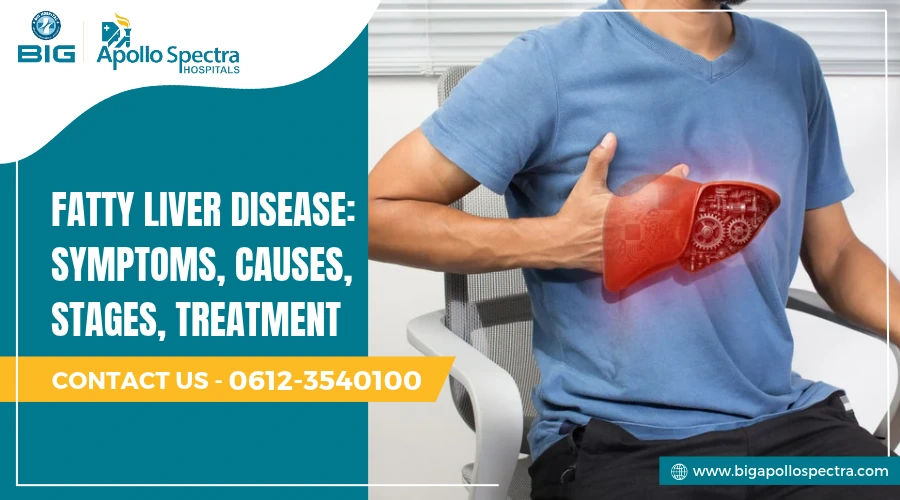
Fatty liver disease is a condition that results from the over-accumulation of fat in liver cells. It is closely correlated with the rates of increase in obesity and type 2 diabetes.
Surprisingly, one is hardly aware that he/she might have fatty liver as symptoms are either very subtle or absent altogether. It is through routine screening that fatty liver diagnosis is often made when liver enzymes are abnormal in your blood report.
Early detection changes outcomes, which is why understanding the warning signs, causes, and stages matters.
What are the Symptoms of Fatty Liver Disease?
Many find out that they have fatty liver issues through their blood reports when the results come back with abnormal liver enzyme levels. In the early stages, many people do not even suspect that they have fatty liver due to absence of symptoms.
When abnormality of the liver is suspected, seeing a liver specialist in Patna would help evaluate the stage and severity of liver damage and make treatment plans.
Some people have symptoms that can be quite difficult to pinpoint:
- fatigue or lack of energy that continues for no apparent reason and can’t be attributed to lack of sleep
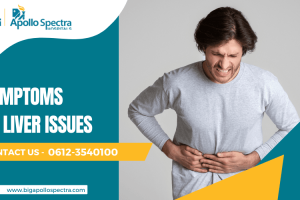
- discomfort felt in the upper right part of the abdominal area
- a feeling of being unwell without a clear cause
Jaundice, swelling in abdomen, bruising easily, itching, and loss of weight without a clear reason are features of very severe fatty liver disease.
However, none of these should be considered as a sure sign of fatty liver disease. These symptoms can have other explanations and a thorough assessment is very important.
Get the diagnosis right the first time and it could be life saving.
What Causes Fatty Liver Disease?
It’s basically the root cause that determines how this condition will be treated. Two broad types exist: metabolic dysfunction-associated steatotic liver disease (MASLD) which before was referred to as NAFLD, and alcoholic liver disease.
For example, the major reasons that drive MASLD are those related to one’s metabolic condition and lifestyle:
- In case of obesity, it is either being overweight, or having excessive belly fat.
- Being insulin resistant and type 2 diabetics
- High levels of triglycerides or cholesterol
- High blood pressure and metabolic syndrome
- Habit of eating diets that include a lot of added sugars and calories in general
- Lack of physical exercise
By directly acting on liver cells, alcohol causes a completely different type of toxic effect. Some drugs among others, corticosteroids and tamoxifen may also be contributing.
Moreover, this condition might develop even in individuals who are of a regular, non-obese, body type whenever they have some form of metabolic risk factor involved (lean MASLD).
Knowing your unique cause is the crucial first step of any treatment plan.
What Are the Four Stages of Fatty Liver Disease?
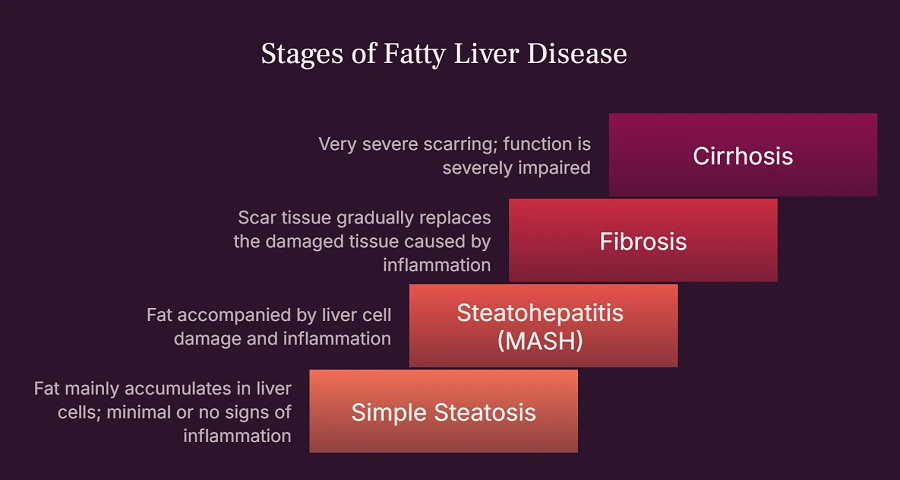
Fatty liver disease may last for years while being stable or move on to a more severe level. The four stages are meant to illustrate these possible changes.
Stage 1 Simple Steatosis:
This stage is when the fat mainly accumulates in the liver cells and there’s minimal or no signs of inflammation. The majority of the people may stay in this stage forever.
Stage 2 Steatohepatitis (MASH):
Fat is accompanied by liver cell damage and inflammation. The new name is metabolic dysfunction-associated steatohepatitis (MASH). It replaced the old NASH. Risk of further liver damage is also heightened.
Stage 3 Fibrosis:
Scar tissue gradually replaces the damaged tissue caused by inflammation. There’s still the possibility for the liver to perform its role despite the presence of scar tissue, yet there is still a risk of scarring getting worse without notice.
Stage 4 Cirrhosis:
Very severe scarring has already done a major change in the structure of the liver, function is severely impaired and patients are at risk of liver failure and liver cancer.
The World Cancer Research Fund notes that liver cancer is the sixth commonest cancer malignancy in the world, and cirrhosis is a leading cause.
Disease progression is different for everyone. A minority never leave stage 1, most will go through stages 2, 3 and 4 if metabolic risk factors are not addressed and treated.
Another interesting fact: The categories Grade 1, Grade 2, and Grade 3 fatty liver on ultrasound scans refer only to fat content and therefore should not be confused with fibrosis stages.
You can read more about related symptoms of liver problems that signal when specialist evaluation becomes important.
How Is Fatty Liver Disease Diagnosed?
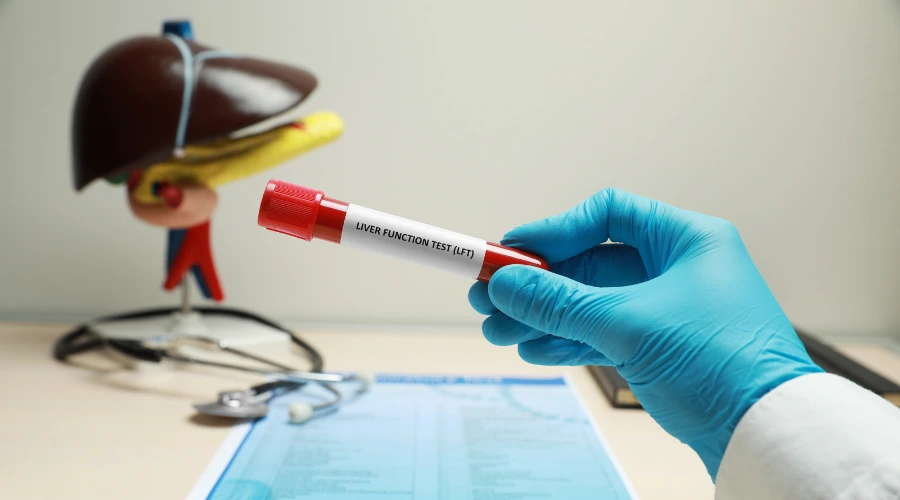
The diagnostic process usually requires more than just a single test. Clinicians employ clinical findings together with a series of tests to determine if fat is present and whether there is any injury to the liver.
The following are the common investigations:
- Review of medical history and physical findings.
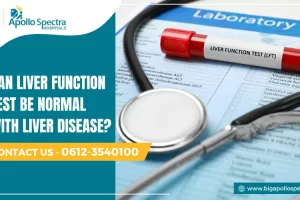
- Measurement of liver enzymes (LFT test), these results have to be interpreted carefully as they can even be in normal limits even when the condition is present.
- Abdominal ultrasound, this shows fat accumulation but is unable to accurately assess the severity of the inflammation and fibrosis.
- Laboratory parameters such as the FIB-4 index, a non-invasive method to determine the likelihood of fibrosis.
- Transient elastography (FibroScan), this technique is based on the principle that the degree of liver stiffness is closely related to the degree of fibrosis (liver scarring) and it measures how stiff your liver is.
- Biopsy of the liver, this is the gold standard technique for the diagnosis of liver diseases and is used only when the other tests are inconclusive or the patient’s condition warrants it.
One thing that is quite puzzling to the majority of the patients is the fact that normal liver function test results cannot exclude the possibility of liver disease.
For this reason, the combination of imaging and clinical examination offers a more accurate diagnosis as compared to blood tests alone.
What Are the Treatment Options for Fatty Liver Disease?
The right approach depends on the cause, your metabolic risk factors, and how far the condition has progressed. There is no single treatment that works for everyone.
Lifestyle and Weight
The best way to lose weight gradually if one has MASLD is by managing body weight continuously. Research reveals that reducing 7–10% of body weight helps to diminish liver fat, and sometimes even liver inflammation & fibrosis decrease.
Dieting too rapidly and losing weight quickly is not advised, though, for liver health. Engaging in physical activity, limiting the intake of sugary soda, and avoiding overly processed foods are all healthy strategies.
Managing Associated Conditions
Management of blood sugar levels, cholesterol, triglycerides, and blood pressure are the targets of treatment, not secondary factors of good health.
Getting rid of or controlling obesity, as well as other metabolic risks is a way to positively affect liver outcomes.
Pharmacological Treatments
The treatment of related conditions like diabetes, dyslipidaemia, and hypertension may involve drug prescriptions by a doctor.
The choice of medical treatment for those who experience a more serious form of liver damage, fibrosis, and significant liver problems might depend on patient condition and availability of a certain therapy as per local laws and regulations.
To date, there have been no supplements or liver detox (cleansing) products that have shown clinical effectiveness and are supported by scientific evidence.
One should only use dietary supplements or stop medical treatments after consulting the relevant physician. The case of liver cirrhosis and severe fibrosis necessitates continuous monitoring by a specialist.
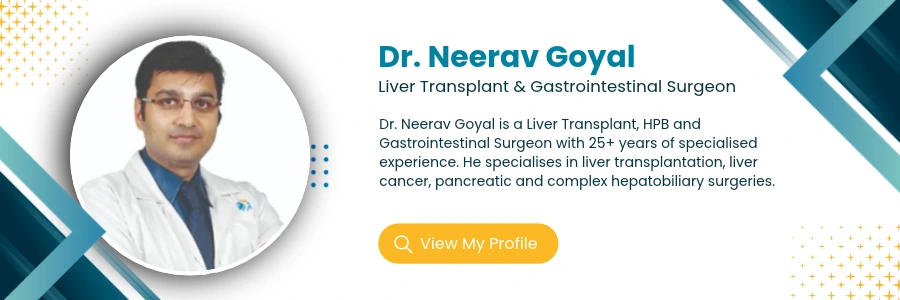
Dr. Neerav Goyal, Liver Transplant, HPB & GI Surgeon with 25+ years of experience at Big Apollo Spectra Hospital, Patna, works with patients to build individualised management plans based on disease stage and metabolic profile.
Book an appointment with Dr. Neerav Goyal →
Can Fatty Liver Disease Be Reversed?
The straight answer: yes, particularly if the disease is caught at an earlier stage.
Without significant inflammation (Stage 1), fatty deposits can be reduced through lifestyle adjustments alone. Even losing 3-5% of body weight helps decrease liver fat. A 7-10% weight loss, on the other hand, can also be effective in decreasing liver inflammation.
Patients with some stage of fibrosis may see their condition get better if major metabolic improvements are made through weight loss, for example.
Yet, advanced cirrhosis brings about permanent damage that can not be reversed. Specialists’ care might help delay the disease’s advancing, but the stages that the patient is in determine the actual expectations one could have.
Several factors are at play, which include the progression of the disease, its underlying causes, and the individual’s general state of health, all of which determine the results.
How Can You Prevent Fatty Liver Disease from Getting Worse?
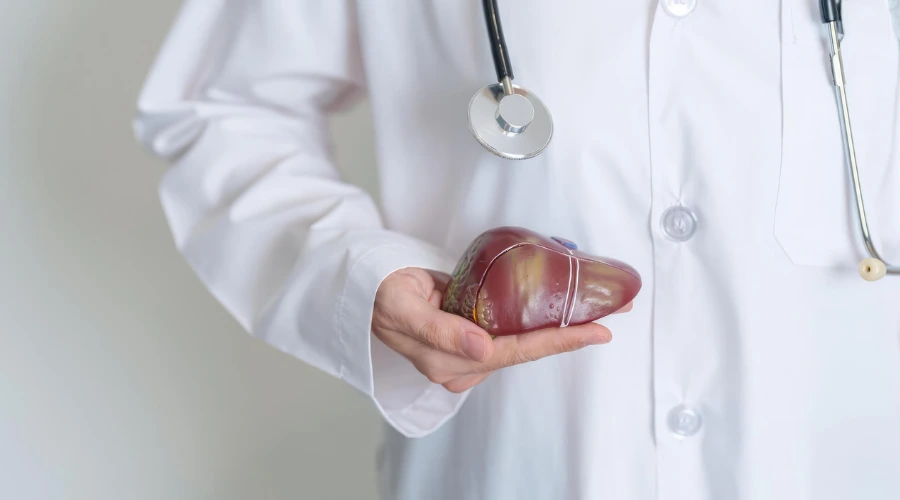
For those who are diagnosed with liver disease, management primarily consists of trying to stop disease progression, while for earlier stages, doctors aim to actively enhance liver function. This is a matter of making changes such as:
- Losing weight gradually if one is currently obese
- Doing moderate exercises for at least 150 minutes a week (based on WHO guidelines)
- Cut down on fizzy drinks, refined carbs, and hyperprocessed meals
- Ensuring that vegetables, legumes, and cereals are a regular part of the meals
- Keep in check diabetes and cholesterol with diet and, if required, medication
- Never consume alcohol once a disease in liver is detected
- Regular check-ups with the doctor and get all the tests done as advised
Steer clear of extreme detox diet programs as they have not been researched and can put added strain on the liver, which may even slow down the process of healing.
When Should You Consult a Liver Specialist?
Some situations make early evaluation important. These include:
- Fat detected on an abdominal ultrasound scan
- Persistently raised liver enzyme levels
- Presence of diabetes, obesity, or multiple metabolic risk factors
- Suspected or confirmed liver fibrosis
- Ongoing discomfort in the upper-right abdomen
Red flags, which may include jaundice, considerable abdominal distension, blood vomit, black or tarry stools, and the sudden onset of confusion, are signs which, when present, demand medical attention at the earliest, not just a regular doctor appointment.
Getting the opinion of a stomach doctor in Patna is a way forward in the initial identification of the reasons behind the issues of the digestive system and liver-related health concerns and also the planning of investigations and other necessary steps to be taken.

Frequently Asked Questions
1. Can fatty liver disease occur in people who are not overweight?
Yes. It can occur in people with normal body weight, particularly when metabolic risk factors such as insulin resistance or high triglycerides are present. This is known as lean MASLD.
2. Is fatty liver disease dangerous?
Early-stage disease may cause little or no liver damage. However, some cases progress to inflammation, fibrosis, or cirrhosis over time, which is why monitoring and management matter.
3. Can fatty liver cause abdominal pain?
Some people experience a dull discomfort in the upper-right abdomen, though many people with this condition have no pain at all.
4. Does fatty liver always require medication?
Not necessarily. Treatment typically starts with lifestyle changes and control of associated conditions. Medication depends on individual clinical assessment and the stage of disease.
Get Proper Checkups for Liver Health Issues
Fatty liver is quite common, and a lot of people go through it without realizing. However, the condition is, in most cases, manageable especially when caught early. The main treatment involves figuring out the underlying cause, controlling metabolic risk factors, and implementing lasting lifestyle changes.
The majority of individuals get help through a complete physical examination, along with lifestyle and medical management, for quite a long period until surgery is even considered a possibility.
If through a scan or a blood test, a liver issue is suspected, then it is better to get it checked by the doctor and not to wait and watch at home.
Big Apollo Spectra Hospital in Patna provides gastroenterology as well as liver care services backed by a team of experienced consultants, who not just diagnose, but help you throughout the illness. Make an appointment today!