
A hernia occurs when internal organs or tissues push through surrounding areas where muscle or connective tissue is weak. The condition is actually more common than people realize because it affects millions of people across the world.
However, choosing the right treatment approach matters. The selection of appropriate surgical methods for particular cases stands as the most important choice.
Many patients incorrectly assume there exists a single surgical method which suits all patients. That’s simply not true. The situation presents a complex situation.
The selection of hernia repair methods depends on various factors which include hernia type, patient health status, lifestyle choices, and the surgeon’s experience.
The following blog provides essential information about hernia treatment options which will enable patients to discuss their choices with their doctors and make an informed choice.
Understanding the Types of Hernias – A Factor in Surgery Selection
The surgical approach for hernia repair depends on the specific characteristics of your hernia. The treatment methods for hernias depend on the individual characteristics of the type of hernia you might have.
- Inguinal: This type of hernia occurs in the groin area. It occurs where the abdominal wall meets the thigh. It is more frequent in men.
- Femoral: The femoral hernia appears in the upper thigh near the groin area but it occurs more often in women than other types of hernias.
- Umbilical: The umbilical hernia develops when the tissue protrudes through a weak spot in the abdominal wall, and it affects both infants and adult patients.
- Incisional: The development of incisional hernias takes place at surgical incision sites where the abdominal wall fails to heal correctly after surgery.
- Hiatal: It occurs when part of your stomach pushes upward through the diaphragm into your chest cavity.
The size and type of your hernia determines the necessary surgical approach.
The treatment for a small inguinal hernia in an active young person differs from the treatment of a large incisional hernia in someone who has had multiple abdominal surgeries.
Your surgeon conducts a thorough assessment of all relevant factors to select the appropriate surgical method.
Their first priority is to determine which type of hernia you have. The following section explains what factors surgeons use to decide on hernia treatment methods.
What Surgeons Consider Before Recommending a Procedure? 7 Factors
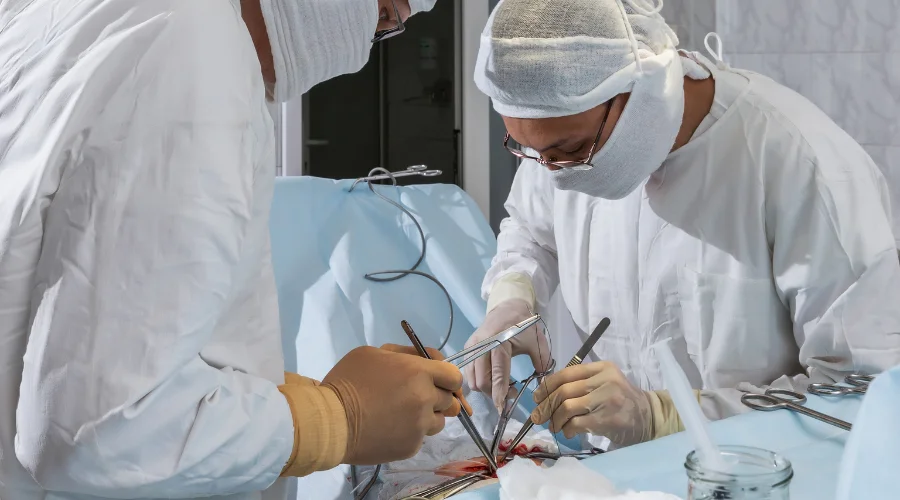
Surgeons who have extensive experience take treatment recommendations seriously. The evaluation of multiple essential factors helps surgeons select the most suitable surgical method for your particular hernia repair needs.
At Big Apollo Spectra, following are some of the criteria that are considered by the laparoscopic surgeon in Patna before moving forward with your surgical treatment.
1. Hernia Size & Location
The size of the hernia determines which surgical procedures will be suitable for treatment. The selection of surgical technique heavily depends on hernia size because small hernias allow multiple treatment options but large defects need particular methods.
Location of the hernia also matters. The surgical approach for groin hernias differs from the approach used for hernias located near the belly button.
The surgeon needs to determine the hernia opening dimensions while verifying its location in relation to essential body structures.
This evaluation process enables healthcare professionals to decide between a minimally invasive surgery or open surgery for better access and superior repair results.
2. Whether Hernia is Primary or Recurrent
Is it the first time you experienced a hernia or did a hernia return after undergoing previous surgical hernia repair? The surgical results for primary hernias tend to be better when using standard repair methods.
However, recurrent cases present unique challenges. The repair process becomes more complex because surgeons must operate on scar tissue that developed from previous surgical procedures.
The surgeon needs to perform surgery through areas that are already operated on. The selection between open and laparoscopic surgery depends on the presence of scar tissue and weakened abdominal walls from previous surgeries because each method provides unique benefits for these conditions.
3. BMI of the Patient
The surgical planning process also depends on the BMI measurements of patients. The surgical process becomes more difficult for patients with elevated BMI while their risk of complications during surgery increases.
The visualization becomes difficult during laparoscopic procedures when there’s excessive abdominal fat. Also, the healing process of the repair site is more challenging because of increased abdominal pressure which leads to higher chances of hernia recurrence.
Surgeons may also suggest patients lose weight before surgery when possible. When the surgery cannot be delayed, doctors select between open and minimally invasive surgery based on what method produces maximum benefits with lowest possible risks.
4. Patient’s Activity Level
Your daily activities hold significant importance. Are you an athlete or manual laborer or office worker? Your surgeon requires this information because physical demands impact both the recovery process and the likelihood of hernia recurrence.
Active patients may need reinforced repairs with mesh materials. Athletes tend to select surgical methods which enable them to return to their training activities at a faster pace.
On the contrary, patients who spend most of their time sitting down or sedentary can handle longer recovery times. Your surgeon will balance the repair strength with your projected recovery duration on the basis of your physical demands after the surgical healing is complete.
5. Previous Abdominal Surgeries
Your medical history contains vital information which doctors need to estimate possible treatment complications. The presence of scar tissue from previous surgeries makes it difficult for surgeons to locate normal anatomical structures during hernia repair procedures.
Moreover, multiple previous surgeries lead to increased formation of adhesions which create bands of scar tissue connecting organs and abdominal wall.
The surgical approach through both open or laparoscopic methods get challenging with different difficulties because of previous abdominal surgical procedures.
For these reasons, your surgeon reviews your operative reports to determine how your body anatomy has changed. The extent of your surgical history determines which surgical approach will work best between open and minimally invasive techniques.
6. Mesh vs. Non-Mesh Considerations
The decision to use mesh to reinforce your repair depends on various factors. The use of mesh for hernia repair decreases the chances of hernia recurrence, especially when treating large hernias.
However, some patients decide against mesh repairs because they fear that foreign materials will be placed inside their body. The choice between synthetic and biological mesh materials depends on what individual patients require.
Your surgeon evaluates the size of your hernia and assesses your risk for mesh complications and contamination risk as well. The need for mesh depends on hernia size significantly because small hernias in young patients might not require mesh support.
7. Risk of Complications
All surgical procedures require evaluation of their advantages against their possible adverse outcomes. Your surgeon assesses all elements which raise the chances of complications including smoking habits, diabetes management, prescription medications affecting healing, and additional medical conditions.
The safety standards for hernia surgery operations continue to be a point of debate. While the procedure carries risks, experienced surgeons perform it with low incidence of major complications. Your doctor will select a surgical approach based on the particular risks that affect your situation.
The minimally invasive approach reduces infection risks but patients must receive general anesthesia for the procedure. Doctors perform local anesthesia on patients who cannot receive general anesthesia when choosing the open repair method.
The evaluation process for surgical planning depends on these essential factors. The established framework enables us to determine which surgical methods suit various patient groups.
Which Surgery is Best for Hernia? (Tailored Answers for Different Patient Profiles)

The selection of surgery depends on a case-by-case basis for the best results.
1. Best for Athletes or Gym-goers
Athletes and gym enthusiasts should prefer laparoscopic repair as their hernia treatment method. The small incisions used in this method prevent substantial damage to the abdominal wall muscles.
Athletes can start with light activities after two weeks and usually achieve full training readiness between four to six weeks. The mesh reinforcement provides the needed strength for high-intensity activities.
The recovery process becomes shorter because patients experience less pain during this procedure than they would with open surgery methods.
2. Best for People with a Desk Job
People who work at desks have multiple choices available to them. Open repair serves your needs because you do not need to use the repaired area for immediate physical activities.
The laparoscopic hernia surgery recovery time requires two to three weeks to resume office work but open repair extends this period to three to four weeks.
The choice between open repair and laparoscopic hernia surgery here depend more heavily on surgeon expertise and treatment costs instead of recovery duration.
3. Best for Older Adults
The selection of treatment depends on the patient’s current health status. The treatment of frail patients with multiple health issues might be better when they receive open repair under local anesthesia because it prevents complications of general anesthesia.
On the other hand, healthier seniors often tolerate laparoscopic procedures well. Your surgeon also performs a complete evaluation of your cardiac and lung function, medication usage, and cognitive status to determine the best surgical method for your situation.
4. Best for Large or Recurrent Hernias
Open repair provides better results for treating large hernias and recurrent hernias that have come back multiple times. The direct visualization method enables better placement of meshes and secure fixation during treatment of large tissue defects.
Moreover, the surgical approach for treating recurrent hernias benefit from approaching through virgin tissue rather than navigating through previous surgical areas laparoscopically.
However, the medical field now experiences a shift because robotic-assisted surgery enables surgeons to perform complex procedures with enhanced visualization and better control.
5. Best for Patients Wanting the Fastest Recovery
The shortest recovery time becomes possible through laparoscopic or robotic surgical methods. The majority of patients can return to their regular activities during the second week after surgery. The need for pain medication decreases substantially after the first few days post surgery.
The short recovery time allows you to get back to work and your regular activities. However, it’s also important to note that the fastest recovery time should not always take precedence over choosing a durable repair that stops hernias from happening again.
NOTE: These scenarios are just the starting point and the factors may vary depending on the complexities involved in a case. Your surgeon will perform a thorough evaluation to determine the best course of treatment for you, and the final decision will be made based on that only.
The following section presents a detailed comparison between the three primary surgical methods to help you have an informed discussion with your doctor before the procedure.
Comparing All Common Hernia Surgery Options
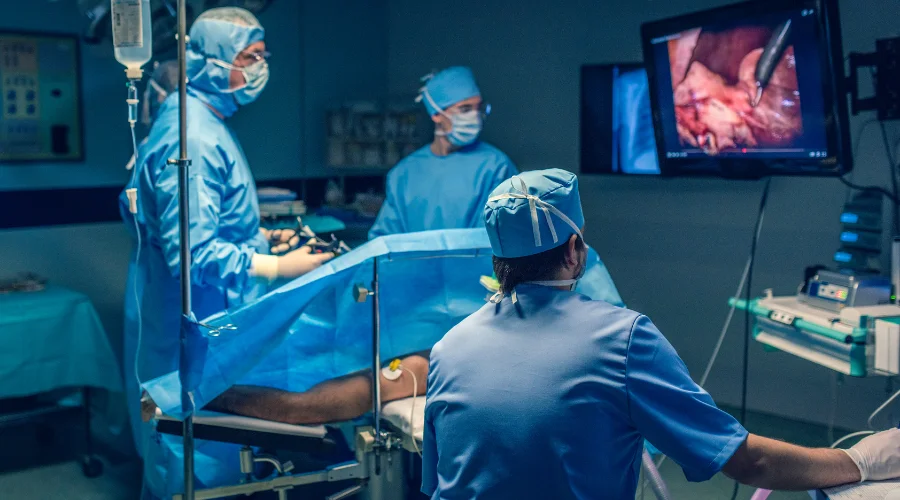
Modern hernia surgery mainly consists of three main surgical methods. The surgical methods offer specific advantages and disadvantages which help doctors choose the right treatment for a particular case.
The treatment choices of your surgeon become clearer after understanding the distinct features of each surgical approach.
Open Hernia Repair
The traditional method of hernia repair requires one big incision which doctors place directly over the hernia location. Your surgeon maintains complete visibility of the entire surgical area throughout the procedure.
1. Recovery speed: The recovery process takes longer than usual because patients usually need four to six weeks to resume their normal activities.
The larger surgical cut requires patients to stay inactive for an extended period because their body needs to fully recover before they can start their normal activities.
2. Pain level: The initial pain levels are elevated because of the larger incision and substantial tissue disruption during surgery.
The pain usually reaches its highest point during the first three days before it starts to decrease. Patients require prescription pain medication for one to two weeks after their procedure.
3. Risk of recurrence: The correct operation of mesh-supported open hernia surgery leads to a recurrence rate which stays below 2-3%. The recurrence rate of tissue-only hernia repairs increases when surgeons perform repairs on larger hernias.
The disadvantages of open hernia surgery involves extended recovery time yet the procedure produces durability that match or surpass minimally invasive techniques.
4. Cost: The procedure costs less than what laparoscopic surgery costs. The hernia surgery cost depends on facility expenses, anesthesia, and surgeon professional fees but open repairs usually cost between 20-30% less than laparoscopic procedures.
The laparoscopic surgery cost in Patna, Bihar exceeds open repair because it needs sophisticated medical equipment and trained medical professionals.
5. Suitability for complex or recurrent hernias: The direct surgical approach produces outstanding results for treating complex hernias.
Doctors perform direct surgical procedures that make it easier to navigate scar tissue and place large mesh pieces which results in strong repairs for complex surgical areas. Surgeons usually choose this method for treating hernias that exceed 10 centimeters in size and those that result in substantial tissue loss.
Laparoscopic Repair
The minimally invasive procedure requires multiple small incisions and a camera system to perform the repair operation from within the abdominal cavity.
The selection between open hernia surgery and laparoscopic hernia surgery depends on the individual requirements of each patient.
1. Recovery speed: Patients recover from laparoscopic surgery in shorter time periods than they do from open repair procedures. The procedure usually allows patients to return to their desk work within one to two weeks and reach full recovery at four weeks. Athletes benefit from the short recovery period of this procedure.
2. Pain level: The surgical method produces less pain because it leads to less tissue trauma during the procedure compared to traditional open surgery.
Patients usually manage well after taking over-the-counter pain medication during their first days of recovery. So, the selection between open hernia surgery and laparoscopic hernia surgery also depends on how well patients handle pain and their preferred recovery approach.
3. Risk of recurrence: The risk of hernia recurrence when skilled surgeons perform the procedure is usually estimated at a rate of 2-4%.
The method enables surgeons to place mesh materials covering a larger area, which might decrease the risk of hernia recurrence for specific types of hernias.
4. Cost: The procedure needs extended training duration, longer operational time with specialized equipment, which results in elevated expenses. However, the short period of recovery after surgery helps balance out the higher costs which need to be paid in the beginning.
5. Suitability for complex or recurrent hernias: The treatment method delivers effective results to patients who have bilateral hernias and particular instances of hernia recurrence. The method is approached through virgin tissue, which prevents contact with previous surgical scars.
The laparoscopic method becomes difficult to perform when surgeons need to treat very large hernias or hernias that have severe tissue loss.
Robotic-Assisted Hernia Repair
The new surgical method unites laparoscopic methods with robotic precision to provide improved visualization clarity and superior instrument control.
1. Recovery speed: The recovery process of this technique matches the standard laparoscopic repair since patients can return to their daily activities after two to three weeks.
2. Pain level: The surgical procedure results in post-operative pain levels comparable to laparoscopic surgery because it uses small incisions to minimize discomfort. Patients commonly express surprise about their low levels of post-operative pain after surgery.
3. Risk of recurrence: The success rate of preventing hernia recurrence is usually high when surgeons with experience perform the procedure. It can even be slightly better than traditional laparoscopic repair. The surgical approach enables surgeons to perform surgeries with better visualization and precision for better tissue manipulation and mesh placement.
4. Cost: This costs the most among all options because robotic equipment costs are expensive and surgeons need extended operating time and specialized training.
The additional cost of this procedure may not be covered by all insurance plans, so patients need to evaluate the financial impact.
5. Suitability for complex or recurrent hernias: The method provides outstanding results for treating complex and recurring hernias. The three-dimensional visualization and wristed instruments enables surgeons to execute complex reconstructions through small incisions.
Modern surgical practice accepts all these three methods as successful treatment options. The hernia surgery risk of death remains extremely low for all approaches when qualified surgeons perform the procedure on healthy patients.
You must evaluate your personal preferences against the medical realities of your case when deciding between the options.
Discover the Best Hernia Treatment Options Today
Determining which surgery is best for umbilical hernia, inguinal hernia, or hiatus hernia depends entirely on individual patient circumstances. The selection process depends on individual patient requirements because there exists no universal solution.
The choice of surgical approach depends on hernia type, size, location, patient medical condition, lifestyle needs, and surgeon’s expertise. The surgical method which brings success to your neighbor will not necessarily produce similar results for you.
You need individualized consultation with your surgeon to determine a suitable surgical treatment. The decision about your hernia treatment should come from you and your doctor instead of depending on online research or casual advice from others.
A surgeon will perform physical checks and review your medical history to determine appropriate treatment options. You may also request information about their experience with multiple surgical approaches.
Learn about the particular advantages and potential risks which affect your specific medical situation. A skilled surgeon will describe the reasons behind their selection of treatment approach for your particular condition.
Big Apollo Spectra provides patients with comprehensive evaluation and expert surgical care. The medical team consists of skilled surgeons who will develop a customized treatment approach for your hernia treatment through evidence-based medical practices.
Schedule a consultation with a qualified surgeon at Big Apollo Spectra who can examine you and discuss your recovery goals in detail.