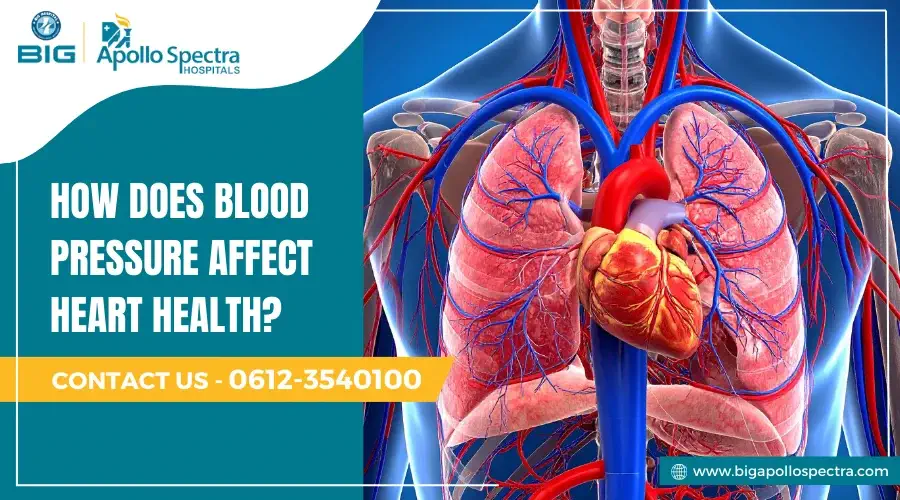
Your heart functions at more than 100,000 beats daily while pumping blood through 60,000 miles of vascular network. The force which enables blood to travel through vessels is your blood pressure.
However, when blood pressure levels exceed normal ranges or drop below safe limits, it creates adverse effects on your heart. So, having an understanding about blood pressure effects on heart health stands as vital medical information which could save lives.
The relationship between blood pressure and heart health impacts millions of people globally but most individuals fail to realize the silent damage inside their body until the condition reaches dangerous stages.
How Does Blood Pressure Affect Heart Health?
Your heart generates pressure with each heartbeat, and the blood pressure determines its workload. The system functions similarly to a water pump pushing water through pipes. The pump has to work overtime when pressure inside those pipes increases.
Your heart operates in a similar way. When blood pressure rises, your heart needs to generate additional force to push blood through arteries. The heart muscle becomes weakened while blood vessels across your body suffer damage because of prolonged blood pressure elevation.
On the other hand, low blood pressure is equally harmful. Your organs will not receive sufficient oxygen-rich blood when your blood pressure remains too low.
So, it’s important to seek evaluation with periodic BP checkups because many times high or low BP doesn’t have any symptoms. You can consult the best cardiologist in Patna if you have heart-related symptoms due to undetected blood pressure issues.
A heart doctor will help you determine your individual risk factors when you show signs of concern. Remember that blood pressure serves as a vital indicator which reveals the current state of your cardiovascular system.
The cardiovascular system functions as an integrated system which means blood pressure issues rarely stay isolated. The heart function experiences multiple effects from blood pressure changes, which affect all of its operational aspects.
What Happens Inside the Heart When BP Rises?
Your heart essentially gets little rest when blood pressure levels become elevated. The heart must handle nonstop demands which result in permanent changes to its structure and function.
1. Increased Workload on the Heart
Your heart responds to high blood pressure similarly to a weightlifter who increases their training weights during each session. Except your heart muscle operates without any opportunity to get rest days.
The heart needs to generate additional energy with contraction to move blood through arteries that have become narrow and stiff. The heart muscle has to endure progressive exertion over months and years.
2. Thickening of the Heart Walls (Hypertrophy)
Your heart muscle gets thicker when it needs to work against elevated blood pressure similar to how muscles grow from exercise. However, in this case, the heart is developing an unhealthy form of growth because of this process.
The left ventricle which functions as your heart’s primary pumping chamber develops abnormally thick walls. The heart develops left ventricular hypertrophy, which results in reduced flexibility and decreased operational efficiency.
3. Reduced Efficiency of Pumping
The heart walls become less capable at their function after they develop thickening from high blood pressure. The thickened heart muscle fails to relax correctly between heartbeats which results in reduced chamber blood volume.
Your heart pumps less blood with each heartbeat even while it continues to work at increased intensity. This is what is the main cause of high blood pressure complications—the heart simply can’t keep up.
Silent Damage: How High BP Affects Arteries
High blood pressure causes damage to your arteries, which accumulates silently over multiple years.
Micro-Tears and Plaque Build-Up
Your arteries experience damage from high blood pressure because the excessive force causes their inner lining to develop tiny tears. Your body begins the repair process after these microscopic tears occur.
The healing response of your body attracts cholesterol and other substances which develop into plaques. The deposits inside your arteries cause them to narrow while creating surfaces that enable blood clot formation.
The development of arterial plaques leads to heart attacks and strokes. So, yes high blood pressure does cause heart attack or stroke.
Loss of Arterial Elasticity
Your arteries function as flexible tubes which expand and contract during heartbeats. The constant pressure from high blood pressure makes your arteries lose their flexibility until they become stiff and unyielding.
This heart condition, arteriosclerosis, makes arteries unable to properly cushion the surge of blood during each heartbeat. Your heart must work against increased resistance, which creates a vicious pattern.
How Does This Lead to Heart Attacks and Heart Failure?
A heart attack occurs when blood flow becomes completely blocked because of plaque rupture or blood clot formation on damaged arterial walls. The heart muscle receives its blood supply from coronary arteries which become blocked, leading to a heart attack.
The heart muscle deteriorates progressively under stress, eventually leading to heart failure when it loses its ability to pump sufficient blood for the body’s needs.
As a matter of fact, blood pressure creates a chain reaction of additional health problems, which increase your risk of cardiovascular disease.
The Domino Effect: Conditions Triggered by High Blood Pressure
High blood pressure exists independently in rare cases. It triggers multiple cardiovascular conditions and heart-related risks that feed into each other.
Coronary Artery Disease
High blood pressure causes damage to coronary arteries which supply blood to heart muscle. The heart receives decreased blood flow because of plaque build up.
The effects on your heart health from past damage remains important even when you achieve normal blood pressure readings in the future. So, if you’re wondering “can you have a heart attack with normal blood pressure and pulse?”
Well, the answer is yes a person can experience heart attack symptoms even when their blood pressure and pulse remain within normal ranges. The probability of developing coronary artery disease due to years of earlier high blood pressure exposure causes this.
Arrhythmias
The heart’s electrical system becomes disrupted because of long-term high blood pressure which causes structural changes to the heart. The heart muscle becomes stiff and thickened which disrupts the normal flow of electrical signals.
The heart produces abnormal heartbeats known as arrhythmias which produce feelings of heart fluttering, racing, or skipped beats. The risk of stroke increases when particular arrhythmias develop.
Stroke Risk and Connection to Heart Health
The brain receives its blood supply through arteries which high blood pressure damages just as it damages the coronary arteries.
The brain experiences stroke when blood clots form or when blood vessels rupture. You need to understand your individual risk factors and learn to identify dangerous blood pressure symptoms which require emergency medical care.
Early Warning Signs & When to Get Checked
The medical term hypertension is also referred to as a “silent killer” because high blood pressure often develops without any detectable symptoms. So, you need to be vigilant and take these particular warning indicators seriously.
- Your body shows signs of dangerous high blood pressure through severe headaches which differ from your usual headache patterns.
- Blood pressure surges can lead to vision problems, which include blurred vision, spots, and loss of vision.
Your body also shows signs of high blood pressure through chest pain or tightness that happens particularly during exertion. You need emergency medical care when you experience breathing difficulties or experience shortness of breath even with minimal activity.
Symptoms of Dangerously High or Low BP
The body shows signs of dangerous high blood pressure through severe headaches, nosebleeds, anxiety, and confusion. A sudden increase in blood pressure can result from various factors.
The body experiences these sudden blood pressure increases because of stress, specific medications, kidney issues, or endocrine system disorders.
On the flip side, the body experiences dizziness, fainting, blurred vision, and fatigue when blood pressure reaches extremely low levels. The risk of death from high blood pressure in your sleep exists when blood pressure reaches dangerous levels. The risk of heart attacks and strokes gets higher when blood pressure reaches dangerous levels during sleep.
Women need to watch out for any unusual health symptoms that appear. Women who experience heart attacks show different patterns than men do, and they tend to develop nausea, jaw pain, or extreme fatigue instead of traditional chest pain symptoms.
Who is at a Greater Risk?
Your risk level increases when you reach an older age, have a family history of high blood pressure, you are obese and inactive, you smoke and drink too much, or you experience chronic stress.
People with diabetes, kidney disease, or sleep apnea need to be more careful because these health conditions increase their risk. People who belong to these risk groups need to check their blood pressure regularly.
How Often to Monitor BP?
People who have normal blood pressure need to check their blood pressure at least once yearly. Prehypertension patients need to check their blood pressure every 3 to 6 months.
People with hypertension need to monitor their blood pressure at home while they continue with their scheduled medical check-ups. The best general physician in Patna at Big Apollo Spectra can help you with complete health assessments and individualized blood pressure monitoring.
The positive news is that damage from high blood pressure can be reversed. Patients can manage their condition severity through early treatment and ongoing management which also prevents disease progression.
Your present blood pressure results indicate your current heart health condition and your potential heart health outlook as well.
Protect Your Heart by Managing Blood Pressure
Blood pressure serves as both a warning system and a controllable risk factor for heart disease. The connection between blood pressure and heart health runs deeper than most realize—affecting everything from heart muscle structure to arterial integrity to your risk of life-threatening events. Understanding this relationship empowers you to take protective action before silent damage becomes irreversible.
People should start monitoring their blood pressure before any symptoms become visible. Blood pressure screening followed by lifestyle changes and medical checks when needed serves as the first step to prevent cardiovascular disease. Small changes today prevent major complications tomorrow.
Big Apollo Spectra Hospital stands as the best heart hospital in Patna, offering comprehensive cardiology services with state-of-the-art diagnostic facilities and experienced specialists.
Whether you need routine blood pressure screening, advanced cardiac evaluation, or specialized treatment for existing heart conditions, their team provides personalized care focused on your cardiovascular wellness.
Take control of your heart health today. Schedule your cardiology consultation at Big Apollo Spectra Hospital and give your heart the expert attention it deserves.