

Chronic renal failure, also known as chronic kidney disease (CKD), occurs when kidneys gradually lose their ability to filter waste and excess fluid from blood over months or years.
The progressive condition affects millions worldwide and stems from various causes including diabetes, hypertension, and genetic disorders. The body’s fluid and electrolyte balance becomes unbalanced when kidney function decreases.
The body requires electrolytes as minerals which enable vital functions through muscle contractions, nerve signal transmission, and pH balance. Sodium, potassium, calcium, phosphorus, and bicarbonate work together to maintain cellular function and organ health.
The kidneys fail to control these minerals properly which results in dangerous mineral accumulation or deficiency. Understanding electrolyte imbalance in CKD is vital because these disruptions can cause life-threatening complications, accelerate kidney damage, and significantly impact quality of life for patients.
Electrolyte Imbalance in Chronic Renal Failure
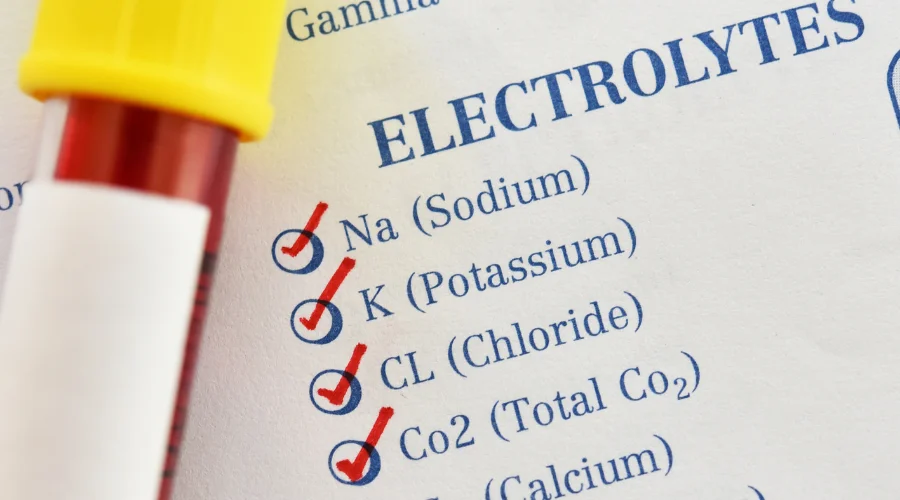
Your kidneys function as the main electrolyte regulators of the body by filtering blood while using intricate processes to regulate mineral levels. Healthy kidneys excrete excess potassium and phosphorus while retaining necessary sodium and calcium.
They also produce hormones that control calcium absorption and maintain acid-base balance through bicarbonate regulation.
The damaged nephrons in chronic renal failure fail to execute these regulatory functions properly. The bloodstream contains increasing amounts of waste products and electrolytes when glomerular filtration rate decreases. The remaining healthy kidney tissue attempts compensation but eventually becomes overwhelmed.
The process generates a series of imbalances because potassium levels rise due to reduced excretion and phosphorus accumulates while calcium decreases and acid waste products surpass the kidney’s buffering capacity.
These changes don’t occur suddenly but develop progressively as CKD advances, making early detection and management crucial for preventing serious complications and preserving remaining kidney function.
Key Electrolyte Imbalances in Chronic Renal Failure
Following are some of the main electrolytes imbalances that occur as a result of chronic renal failure. Understanding these imbalances is critical, as they can lead to serious complications if left unmanaged. One of the most concerning is:
1. High Potassium (Hyperkalemia)
The kidneys’ inability to properly remove potassium from the body leads to hyperkalemia which causes blood potassium levels to exceed 5.0 mEq/L.
The development of hyperkalemia occurs when patients consume diets high in potassium from fruits and vegetables, take ACE inhibitors and potassium-sparing diuretics, and experience metabolic acidosis which moves potassium from cells into the bloodstream.
The condition creates urgent cardiac threats because high potassium levels interfere with heart muscle electrical signals which can lead to dangerous arrhythmias or sudden cardiac arrest. The symptoms include palpitations and muscle weakness and numbness in extremities and fatigue.
However, hyperkalemia can be silent until critical levels are reached, making regular monitoring essential for CKD patients under the care of the best kidney doctor in Patna.
2. High Phosphorus (Hyperphosphatemia) + Low Calcium (Hypocalcemia)
The dangerous combination creates a vicious cycle which harms patients who have CKD. The kidneys’ inability to remove phosphorus from the body leads to elevated blood phosphorus levels which in turn causes calcium levels to decrease.
High phosphorus also reduces active vitamin D production, further decreasing calcium absorption from the intestines.
The imbalance causes the parathyroid hormone to release which tries to restore calcium balance by extracting it from bones thus causing bone loss and weakness.
The body stores excess phosphorus by combining it with calcium to create deposits that build up in blood vessels and heart tissue and other soft tissues which leads to vascular calcification and higher cardiovascular risk.
The uncontrolled progression of this mineral dysregulation leads patients to develop bone pain and severe itching and muscle spasms and increased fracture risk.
3. Metabolic Acidosis (Low Bicarbonate)
The kidneys operate as normal organs to maintain blood pH through acid waste elimination and bicarbonate regeneration.
The ability to regulate acid-base balance deteriorates in CKD patients which results in metabolic acidosis with bicarbonate levels below 22 mEq/L. The acidic environment speeds up kidney damage through increased ammonia production and inflammation which creates a destructive cycle.
Acidosis also promotes muscle protein breakdown, leading to weakness and wasting. The condition results in bone demineralization because the body takes calcium carbonate from bones to neutralize excessive acid.
Patients experience persistent fatigue, rapid or deep breathing as the lungs attempt compensation, confusion, and decreased appetite. Metabolic acidosis causes CKD to deteriorate quickly and increase the risk of death when not treated.
Recognizing Symptoms & Complications

The treatment of chronic kidney disease requires the collaborative care of nephrologists and urologist in Patna to treat obstructive uropathy and control electrolyte imbalances.
The collaborative approach provides complete treatment of primary kidney disease and its secondary effects on mineral metabolism and cardiovascular health.
Subtle Signs
The initial signs of electrolyte imbalance tend to be vague and people commonly miss them. The symptoms of this condition include persistent nausea that becomes worse after eating as well as mental confusion or difficulty concentrating and excessive thirst despite normal fluid intake and muscle twitching or cramping.
The first signs of this condition match typical aging symptoms and stress-related symptoms which leads to delayed medical diagnosis and treatment.
Healthcare providers need to maintain high suspicion for electrolyte abnormalities in CKD patients who present with these minor complaints because early intervention can prevent life-threatening complications from progressing.
Emergency Red Flags
The body requires urgent medical intervention for particular symptoms because they indicate dangerous electrolyte imbalances that need emergency treatment.
- Chest pain, irregular heartbeat, or palpitations can indicate dangerous hyperkalemia that poses a threat to cardiac function.
- The development of severe muscle cramps, spasms, or tetany indicates dangerous calcium-phosphorus imbalances that disrupt neuromuscular function.
- Additional warning signs include sudden weakness or paralysis, severe shortness of breath, seizures, or altered mental status.
The emergency red flags need immediate evaluation and treatment to prevent fatal complications from severe electrolyte imbalances.
Long-Term Risks
Untreated electrolyte imbalances result in severe long-term complications which negatively affect patient results. Renal osteodystrophy develops from chronic calcium-phosphorus imbalance, causing bone pain, fractures, and skeletal deformities.
The heart becomes more vulnerable to damage through vascular calcification which increases the risk of heart attacks and strokes. The need for dialysis or transplantation becomes more urgent because metabolic acidosis and mineral disorders cause accelerated CKD progression.
Additional risks include growth retardation in children, increased infection susceptibility, and reduced quality of life from persistent symptoms and functional limitations.
Managing Electrolyte Imbalance: A Multidisciplinary Approach

Managing electrolyte imbalances in chronic kidney disease (CKD) requires more than just symptom control—it involves a coordinated strategy involving medications, dietary changes, and, when necessary, dialysis.
Medical Treatments
Pharmacological management targets specific electrolyte abnormalities through targeted medications.
The medication calcium carbonate or sevelamer functions as a phosphate binder to stop phosphorus absorption from food while sodium polystyrene sulfonate works as a potassium-lowering resin to eliminate excess potassium through the digestive system.
The administration of intravenous calcium gluconate allows for fast treatment of severe hypocalcemia and sodium bicarbonate supplements help to correct metabolic acidosis.
The last treatment for acute severe imbalances requires dialysis to remove excess electrolytes and toxins for which medications aren’t enough.
The advanced medical facilities deliver complete treatment solutions by using modern technology and specialized medical expertise to manage severe electrolyte disorders in CKD patients who need intensive care.
Diet & Nutrition
The nutritional management of patients with failing kidneys demands precise food choices together with portion management to reduce the amount of electrolytes their kidneys must process.
People should replace their high-potassium foods such as bananas and potatoes with safer alternatives including apples and berries.
The control of phosphorus requires people to reduce their consumption of dairy products and processed foods and carbonated sodas while selecting fresh unprocessed foods.
The practice of fluid restriction helps stop volume overload and sodium limitation helps decrease hypertension and cardiovascular stress.
The registered dietitians offer individualized meal planning services to patients who learn how to read food labels and prepare kidney-friendly recipes and follow electrolyte restrictions which help manage fluid and electrolyte imbalance in renal dysfunction.
Medication Management
Careful medication review prevents drug-induced electrolyte disturbances in vulnerable CKD patients. The use of NSAIDs should be avoided because they deteriorate kidney function and enhance potassium retention.
The blood pressure medication spironolactone increases the risk of hyperkalemia so patients may need to adjust or stop taking this medication. ACE inhibitors and ARBs protect the kidneys but patients need to be monitored for elevated potassium levels.
The process of medication reconciliation requires a review of all prescriptions together with over-the-counter drugs and supplements to detect possible interactions or contraindications.
Healthcare providers need to maintain cardiovascular protection while ensuring electrolyte safety when they prescribe medications to patients who want to find the best urologist near me for complete kidney care.
Monitoring
Regular laboratory surveillance enables healthcare providers to identify electrolyte imbalances at an early stage so they can intervene before complications develop.
The monitoring of advanced CKD requires monthly checks of comprehensive electrolyte panels which include sodium, potassium, chloride, bicarbonate, calcium and phosphorus levels. The evaluation of parathyroid hormone levels enables healthcare providers to assess bone health while guiding decisions about vitamin D treatment.
Patients need to check their blood pressure daily and their weight to detect fluid accumulation. Moreover, patients need to identify symptoms that need urgent care and keep up communication with healthcare providers.
This proactive approach to electrolyte imbalance in dialysis patients helps prevent hospitalizations and maintains stability between clinic visits.
When to Seek Immediate Help?
Certain symptoms require emergency room evaluation due to the immediate life-threatening nature of severe electrolyte imbalances.
Seek urgent care if experiencing:
- Chest pain, irregular pulse, or heart palpitations suggesting dangerous hyperkalemia.
- Severe shortness of breath may indicate fluid overload or metabolic acidosis requiring immediate intervention.
- Sudden muscle paralysis or weakness could signal critical potassium levels threatening respiratory muscle function.
The warning signs include seizures, altered mental status, or severe muscle spasms indicating electrolyte imbalance in CKD requiring rapid correction to prevent fatal complications.
Restore Balance to Protect Kidneys – Act Now
The management of electrolyte imbalance in chronic renal failure requires complete knowledge and continuous observation and early preventive measures. The mineral disturbances show severe complications which produce negative effects when not treated.
The management of kidney disease requires a team-based approach between nephrologists, urologists, and patients to stop complications and maintain quality of life.
Early recognition of symptoms, adherence to dietary restrictions, and regular monitoring enable CKD patients to maintain stability and prevent progression to life-threatening electrolyte crises through coordinated, proactive care. Seek medical help at Big Apollo Spectra today to prevent complications and protect your kidney health.