
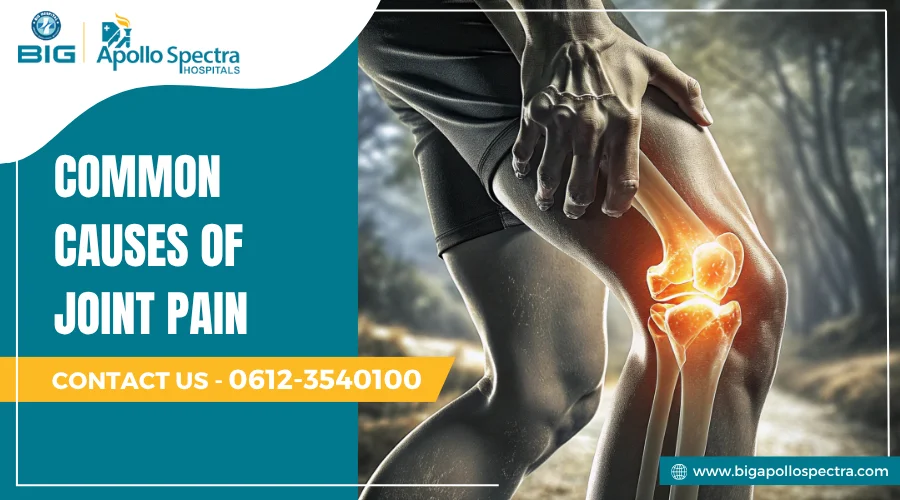
Millions of people worldwide experience joint pain which interferes with their ability to perform everyday activities such as climbing stairs and even typing emails.
The problem affects people of all ages and younger adults now also experience joint pain which restricts their ability to perform everyday tasks. The blog investigates health issues which go beyond the typical arthritis and aging related causes.
The following content will examine mechanical triggers which cause joint pain as well as metabolic imbalances and infections that lead to joint damage. The various factors that cause discomfort become easier to identify when you understand their different origins and take targeted action.
Common Causes of Joint Pain Explained
Joint pain doesn’t have a single cause. Your body pain in knees or fingers may result from your sitting position, diet, and even internal health conditions. Thus, the following categories need to be analyzed.
Mechanical & Lifestyle Causes
Your joints experience stress from daily routines which you perform unconsciously. Small modifications in this area will lead to outstanding comfort.
1. Postural Issues
When you spend long periods with your head down at your laptop, it causes your spine to compress and your body weight to become unbalanced between your hips and knees joints. Your body will adopt abnormal positions when you work in a poorly designed workspace that may include a desk that is too high and a chair that lacks support.
The muscles experience permanent harm because of the ongoing muscle tension. Your shoulders round forward, your neck juts out, and your lower back compensates.
You can find an orthopedic doctor in Patna who will help you with your issues by understanding that prevention begins with knowledge. The maintenance of perfect posture through rigid positions will not produce benefits because the body needs to move naturally.
2. Repetitive Strain
Typing in the same motion thousands of times daily inflames wrist and finger joints. Athletes who perform repetitive movements such as tennis serves and running strides create excessive stress on particular joint structures.
Moreover, manual laborers face the same dangers when they perform lifting and bending tasks. The main issue stems from insufficient activity diversity rather than the activities themselves.
Your body adjusts to repetitive stress in the short term but tissues start to deteriorate at a rate that exceeds their natural repair process. So, what causes joint pain in hands is often these unnoticed repetitive patterns.
3. Muscle Imbalances
Your knees must take on excessive impact because your weak glutes fail to perform their natural function.
The prolonged sitting period causes tight hip flexors which results in pelvis misalignment that creates stress on lower back joints. When supporting muscles fail their job, joints pick up the slack.
Strengthening exercises help to reduce joint pain because they distribute the weight-bearing stress across the joint more evenly.
4. Sedentary Lifestyle
Your joints receive lubrication and nutrients through the synovial fluid, which movement helps to circulate. Sit all day and this system stagnates. The process of regular compression and release functions as a method to preserve cartilage health.
Causes of joint pain in knees often trace back to too little activity, not too much. Your body created joints to operate through motion instead of staying in static positions.
The body maintains its operational efficiency through any form of light physical activity such as walking, swimming, and stretching. The muscles that stabilize joints also become weaker because of inactivity which makes the situation worse.
Pro Tips for Prevention:
Set hourly movement reminders and invest in an ergonomic chair with lumbar support. Also, perform daily stretching exercises that target hip flexors, hamstrings, and shoulders to prevent back pain.
The individual mechanical components appear unimportant yet they create major combined effects. The solution needs you to actively transform your environment and regular routines.
Metabolic & Systemic Causes
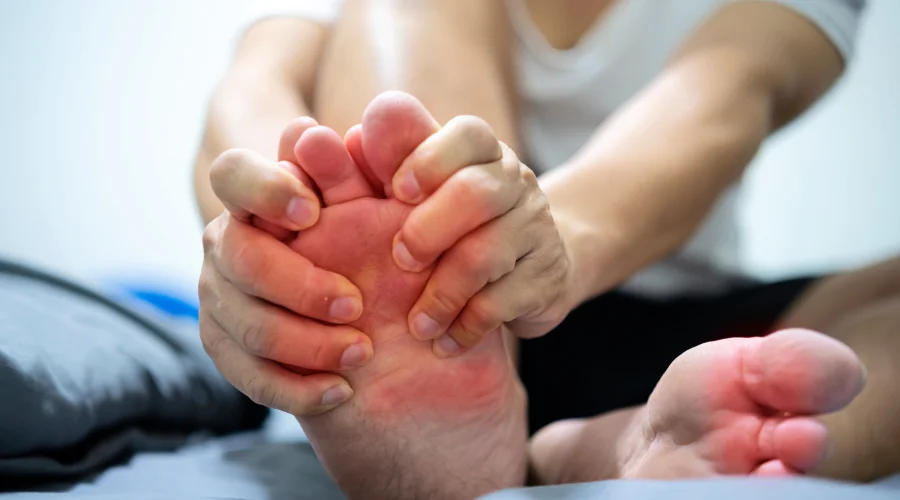
The body may also send joint pain signals when there are internal problems that do not affect the joints directly. These conditions create widespread effects throughout your body which result in noticeable damage to your joints.
1. Gout and Hyperuricemia
Excess uric acid crystallizes inside joints causing sudden intense joint pain that starts in the big toe. The consumption of rich foods together with alcohol and particular medications leads to increased uric acid levels in the body.
The condition produces short but severe inflammation episodes which alternate with periods of complete symptom absence. The condition leads to more frequent attacks if left untreated which start to affect multiple joints.
2. Hypothyroidism or Hormonal Imbalances
Low thyroid function slows your metabolism, including the processes that repair joint tissues. The natural fluctuations of hormones during menopause cause joints to deteriorate at a faster rate.
These conditions lead to general body pain instead of specific areas of discomfort.
Weight changes and fatigue caused by hormonal imbalances create a challenging pattern to overcome because they intensify joint stress until the underlying hormonal issue receives proper treatment.
3. Vitamin D or Calcium Deficiency
These nutrients maintain bone density and support the structures surrounding joints. The lack of this nutrient causes bone weakness which results in unstable joints that easily get damaged.
People throughout many areas experience insufficient vitamin D levels because their locations receive minimal sunlight. Moreover, low calcium levels affect both bones and muscles which can lead to joint-stressing cramps.
Symptom Clues: The symptoms include gout which causes sudden severe joint pain in one joint, thyroid issues that result in unexplained fatigue with body-wide aching, and vitamin deficiency symptoms that lead to bone tenderness and muscle weakness.
These metabolic causes require blood tests for diagnosis. The healthcare provider needs to conduct systemic screening tests when a patient shows joint pain symptoms along with unexplained weight changes, persistent fatigue, or digestive problems.
Autoimmune & Inflammatory Causes
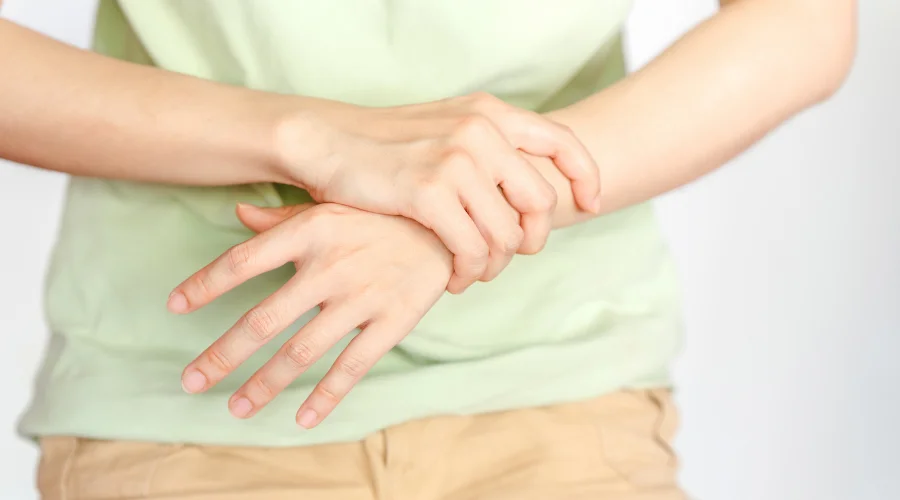
Your immune system can mistakenly attack joint tissues which results in ongoing inflammation. These conditions need immediate treatment to stop them from causing lasting harm.
1. Rheumatoid Arthritis
The autoimmune disease creates symmetrical damage to joint linings which affects both wrists and both knees. Morning stiffness lasting over an hour is classic. The first signs of rheumatoid arthritis tend to appear in the small joints of hands and feet.
Rheumatoid arthritis differs from wear-and-tear arthritis because it affects people at any age including young adults. Joint pain causes in young adults frequently include autoimmune triggers.
When untreated, the inflammatory process leads to cartilage and bone damage that progresses over time.
2. Psoriatic Arthritis
Linked to the skin condition psoriasis, this causes joint pain alongside scaly skin patches. The condition causes uneven swelling that resembles sausage-like swelling on fingers and toes.
The development of psoriatic arthritis before skin symptoms occur makes it challenging to diagnose the condition in certain patients. The flare-ups occur randomly because joint flares develop at different times.
3. Lupus
This systemic autoimmune disease can inflame any part of your body, including joints. The joint pain tends to migrate and doesn’t usually cause permanent damage like rheumatoid arthritis does.
The condition of lupus often brings extra symptoms which include facial rashes, sun sensitivity, and organ involvement. When you require specialized medical treatment, you can find appropriate facilities at Big Apollo Spectra with specialists that treat complicated autoimmune diseases.
Early Warning Signs: Joint pain that affects both sides of the body symmetrically, morning stiffness that lasts more than 30 minutes, and swelling that continues even after rest and ice application.
The treatment of autoimmune diseases requires disease-modifying therapies to halt disease progression. The sooner you catch them, the better your long-term joint function.
Injury & Infection
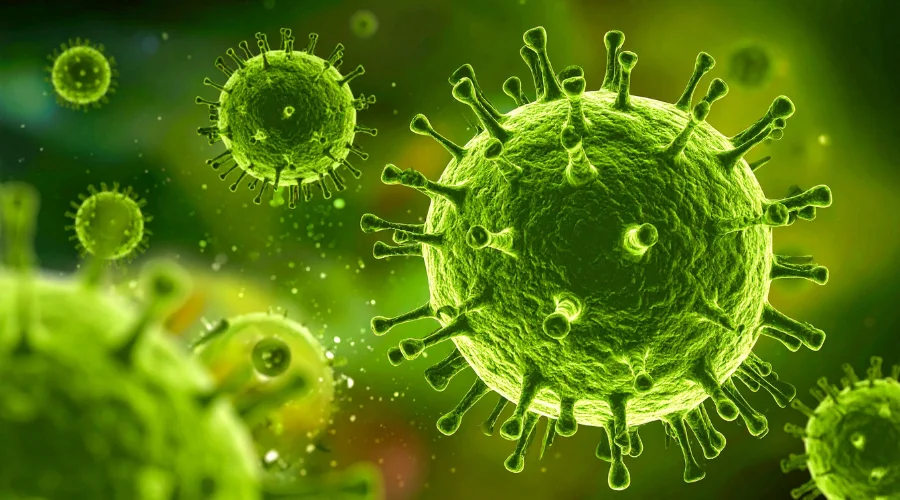
The joints can also develop sudden pain because of acute trauma or infectious processes. Most people identify injuries as the main risk but infections exist as a silent danger.
The most common injuries which result in immediate pain and swelling include ankle sprains and meniscus tears. These mechanical disruptions are usually obvious—you remember the incident. The treatment plan includes rest and rehabilitation and surgery when necessary.
1. Lyme Disease
The disease spreads through tick bites which leads to migratory joint pain that develops weeks after infection and primarily affects knees by causing noticeable swelling.
2. Post-Viral Arthritis
The COVID-19 virus and other viruses can trigger post-viral arthritis which leads to temporary joint inflammation that continues from weeks to months after the virus disappears from the body.
3. Septic Arthritis
Bacteria invade the joint space, causing rapid-onset severe pain, fever, and an inability to move the joint—this is a medical emergency requiring immediate antibiotics.
Warning Signs Requiring Urgent Attention: Joint pain accompanied by fever, rapid deterioration of pain and swelling and inability to bear weight, and symptoms that develop after tick exposure or recent infection.
Medical evaluation needs to happen right away when infections occur. The delay in receiving medical care will result in permanent damage to joints.
Common vs. Uncommon Joint Pain Patterns
The identification of standard patterns enables you to detect situations which require expert assessment.
Common Patterns:
- Gradual onset with morning stiffness (osteoarthritis)
- Pain that worsens with activity and improves with rest (mechanical issues)
- Aching after prolonged sitting or inactivity (sedentary lifestyle)
- Symmetrical pain in multiple joints (rheumatoid arthritis)
Uncommon Patterns That Warrant Investigation:
- Sudden severe pain in a single joint without injury
- Joint pain all over the body accompanied by fever or rash
- Pain that travels between different joints (migratory pain)
- Night pain that occurs regularly and interferes with sleep patterns.
- The joints show signs of sudden pain which occurs without any detectable reason or predictable pattern.
The identification of these differences helps you communicate better with medical specialists and identify which symptoms need immediate medical attention.
Prevention & Lifestyle Optimization
Taking proactive steps helps you prevent joint problems from occurring and also helps to stop their progression. These implemented strategies work to enhance joint health by using different methods.
1. Diet for Joint Health
Anti-inflammatory foods combat the low-grade inflammation that damages joints over time. The joint tissues receive support from fatty fish which contain omega-3s and colourful vegetables that have antioxidants.
On the other hand, people need to control their intake of foods with excessive sugar and processed junk because these ingredients trigger body inflammation. The body needs proper hydration because cartilage is about 70% water, and adequate hydration helps it function as a shock absorber.
When wondering what causes joint and muscle pain all over the body, know that systemic inflammation occurs as a result of poor dietary choices. Consider turmeric which has curcumin with established anti-inflammatory properties.
2. Mobility and Flexibility Routines
Regular movement prevents stiffness and maintains range of motion. Gentle yoga, swimming, and tai chi exercises are suitable for people with joint issues.
Stretching exercises enhance flexibility which helps prevent joint damage that occurs from compensatory stress patterns. Strength training practice enables joint stability through the growth of supportive muscle tissue.
Moreover, regular movement combined with diverse activities that challenge joints through different movements forms the foundation for joint health maintenance.
Even five minutes of morning stretching can improve joint pain and stiffness significantly. Remember that preventive measures are simpler to implement than the process of reversing damage that has already occurred.
3. Supplements Supported by Research
The scientific evidence about glucosamine and chondroitin’s effects on cartilage health remains unclear. The intake of Omega-3 supplements results in lower levels of inflammatory markers.
People who are deficient in vitamin D should take supplements because the recommended daily intake ranges between 1000 and 2000 IU. Scientific research shows that collagen peptides have shown positive effects on joint health.
NOTE: Please consult healthcare providers before taking any supplements because some medicines can interact with your existing medications. Moreover, the doctor will also assess your suitability for the prescribed medications, decreasing the chances of side effects.
Having said that, sometimes the main causes of joint pain in adults stem from nutritional deficiencies which specific supplements help to resolve. These lifestyle changes produce their best results when used together.
Exercise will not compensate for an unhealthy eating plan while supplements cannot substitute for physical activity. These remedies function together to establish an environment which promotes joint health.
Take Charge of Your Joint Health!
The various causes of joint pain can include mechanical stress from poor posture and repetitive movements as well as metabolic and systemic causes like gout and vitamin deficiencies.
Furthermore, autoimmune conditions like rheumatoid arthritis and acute issues from injuries and infections can also be the cause. In any case, you should not dismiss ongoing pain because it will not disappear by itself.
Early intervention helps prevent small problems from developing into long-term disabilities. The medical staff at Big Apollo Spectra Hospital will evaluate your joint pain through a complete assessment to create individualized treatment strategies.
Remember that your joints require attention because they serve as the body’s foundation for performing everyday tasks.