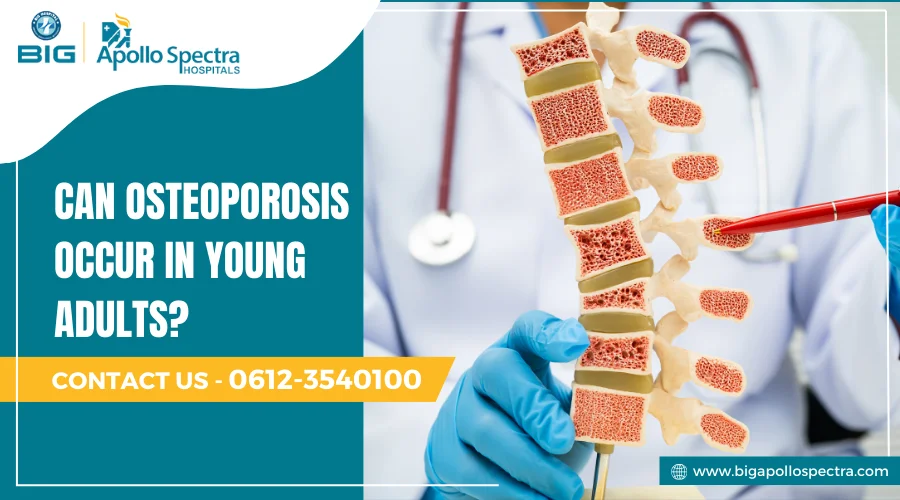
People usually associate the term ‘osteoporosis’ with elderly women who have hunched backs. However, most people remain unaware that osteoporosis at a young age is now not so uncommon.
Your bones can experience weakening regardless of your current age, whether you are in your 20s, 30s, or 40s. Early-onset osteoporosis affects people of all ages, so knowing your risk at present will help you prevent future bone fractures and medical issues.
So, let’s explore what factors have caused this condition to affect people who are not yet in their senior years.
Can Osteoporosis Occur in Young Adults?
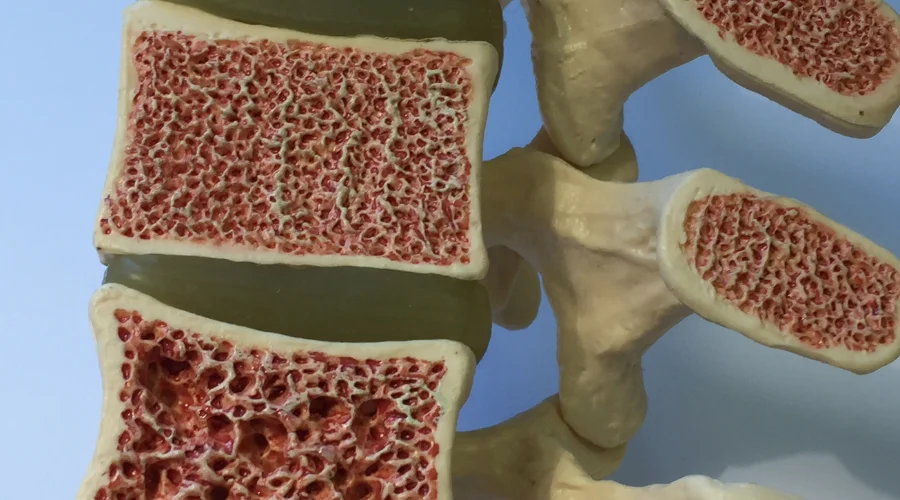
Yes, absolutely. The answer is clear: young adults can and do develop this bone-weakening condition. The condition occurs at a reduced frequency when compared to elderly populations, but it does occur.
Young adults most commonly develop weakened bones because of medical conditions, their medications, and their lifestyle choices.
The condition develops when bone density decreases faster than the body can rebuild, which makes people more susceptible to bone fractures from minor impacts that would not harm people with normal bone mass.
What makes this particularly concerning is the silent nature of bone deterioration. Your body will start to lose skeletal strength without showing any warning signs while you feel healthy and keep doing your normal activities.
Young people today often choose to ignore osteoporosis because they believe this condition will not affect them until they reach an older age. Most young patients delay medical care until their condition reaches a severe stage which requires hospitalization for treating a serious bone fracture.
But why does this happen? To understand osteoporosis in young adults, we need to first debunk the myth that it’s exclusively an ‘old age disease.’
Why is Osteoporosis Not Just an “Old Age Disease”?
Osteoporosis has become stereotyped as a condition which affects post-menopausal women because their estrogen levels drop which causes their bones to deteriorate at an increased rate.
However, the diagnosis requires the evaluation of additional factors which extend past age. Your bones can weaken regardless of how many candles are on your birthday cake.
The essential factor for evaluation is bone density together with bone strength which represent distinct assessment criteria. You can have decent bone density but its structural integrity may be compromised which increases the risk of fracture.
The research usually focuses on elderly populations which has led to young people remaining undiagnosed until their condition becomes severe.
People need to understand their risks and vulnerability by studying a vital developmental window which most individuals tend to disregard.
Peak Bone Mass: The Forgotten Window in Young Adults
Peak bone mass represents the highest bone density level which people reach during their lives between 18 and 30 years old. Think of it as your bone bank account receiving deposits throughout these years. Failing to reach peak bone mass makes you more likely to experience fractures.
The start of bone loss can even occur without any warning during your 20s when you fail to establish sufficient reserves.
The combination of inadequate nutrition, physical inactivity, and health problems which occur during this period will create future health issues which become apparent only after multiple years have passed.
Additionally, there are other factors that come into play as well. Medical conditions that affect otherwise healthy young people will continue to weaken their bones.
Medical Conditions That Cause Osteoporosis in Young Adults
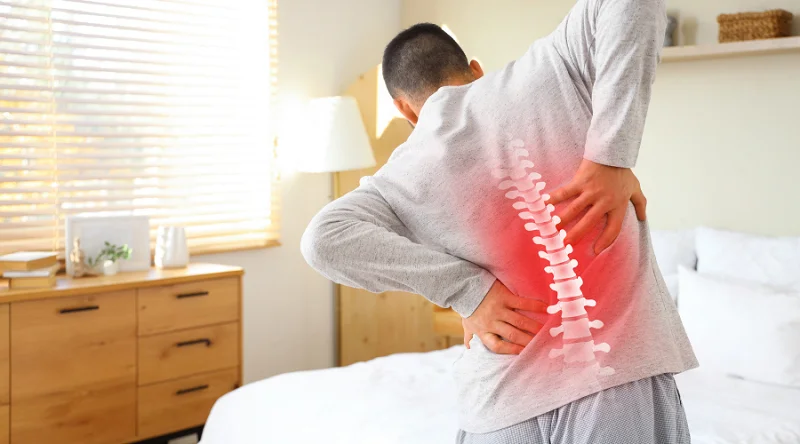
Young people can develop bone health problems because of multiple medical conditions which affect their bones:
1. Endocrine disorders: Thyroid problems trigger fast bone turnover while parathyroid disorders affect calcium regulation, and Cushing’s syndrome leads to excessive cortisol that destroys bone tissue.
2. Autoimmune and inflammatory diseases: Chronic inflammation in rheumatoid arthritis and lupus damages bone cells which results in reduced mobility that hinders bone strengthening processes.
3. Gastrointestinal malabsorption conditions: The body fails to absorb calcium and vitamin D from food due to gastrointestinal malabsorption conditions such as Celiac disease, Crohn’s disease, and IBS.
4. Chronic kidney or liver disease: The body’s mineral regulation system which bones need for health becomes impaired when patients develop chronic kidney or liver disease. This results in progressive weakening of skeletal structure. That’s why you should consider consulting the best orthopedic doctor in Patna for developing a complete bone health plan or at least getting a few necessary checkups on a periodic basis when you have any of these medical conditions.
Medical conditions serve as one of the main causes of bone strength deterioration. However, note that medications used for treating entirely different medical conditions can also weaken bones and affect bone strength.
Medications That Can Weaken Bones at a Young Age
Prescription medications which treat one medical condition effectively can lead to skeletal damage during extended use.
- Long-term corticosteroids: Prednisone and similar drugs reduce calcium absorption and increase bone breakdown, which becomes more severe with each dose.
- Anti-epileptics: The medication phenytoin disrupts vitamin D metabolism which results in weakening bone formation during extended periods of treatment lasting months or years.
- Chemotherapy and hormonal therapies: Cancer treatments can damage bone marrow and suppress hormones necessary for bone maintenance.
- Excessive thyroid hormone replacement: The consumption of these medications above the recommended amounts results in bone remodeling acceleration which produces negative effects on net bone loss.
These medications, when prescribed to young patients, are often given without performing bone checks which results in a hidden medical crisis that reveals itself through accumulated damage.
Lastly, it’s also important to remember that your bone health depends equally on your daily decisions as it does on the extended use of the above medications.
Lifestyle & Nutritional Factors That Increase Early Risk
Your regular activities throughout the day affect bone health in ways that create dangers long before you experience any symptoms:
1. Low Calcium and Vitamin D Intake
The body requires these nutrients to perform proper mineralization of bones. The combination of complete dairy elimination, sunlight avoidance, and processed food consumption results in nutritional deficiencies which harm bone density development in children during their essential growth stages.
2. Sedentary Lifestyle
Bones strengthen in response to weight-bearing stress. The human body needs mechanical stress to maintain bone density and structural strength. This is not possible with hours sitting at a desk and scrolling through your phones for several hours a day.
3. Excessive Caffeine, Smoking, Alcohol
The combination of excessive caffeine consumption with smoking and alcohol consumption leads to negative effects on bone health.
Caffeine causes the body to excrete excess calcium which leaves the body through urine while smoking decreases bone blood flow and alcohol disrupts the function of cells responsible for bone formation. The combination of these habits produces an ideal environment which leads to bone deterioration.
4. Eating Disorders and Low BMI
Anorexia, bulimia, or restrictive eating patterns leads to bone nutrient deficiency while simultaneously interfering with hormone production which bones need to stay healthy.
Young people today face early disease detection risk because they are exposed to modern lifestyle patterns which include working at desks for hours on end, eating processed food, and experiencing high levels of stress.
All these factors make you more likely to experience deteriorated bone health before time. Moreover, while bone health risks affect all people, there’s a population that’s particularly overlooked when it comes to bone health challenges.
Can Men in Their 20s and 30s Get Osteoporosis?

Many people fail to understand the risks of male osteoporosis because the common perception views bone health as a condition that concerns only women. So, can osteoporosis happen in the 20s for men? The answer is unfortunately yes.
Men in their 20s and 30s can absolutely develop the condition. Bone density decreases because testosterone deficiency leads to reduced bone formation and increased bone breakdown.
Sports injuries of high severity, bodybuilding steroid use, and inadequate nutrition during overtraining sessions lead to bone damage.
Men tend to dismiss their symptoms until they need emergency medical care because of a severe bone fracture.
Can Early Osteoporosis Be Reversed or Controlled at a Young Age?
The good news is that osteoporosis can happen at a young age and still be managed effectively? Yes—younger bodies possess remarkable recovery potential:
Bone Remodeling Potential in Younger People
Your bones constantly rebuild themselves through remodeling. However, younger people are more likely to regain lost bone density than older adults do when they perform specific treatment interventions.
The solution needs to start right away because damage will keep increasing until it reaches a point where recovery becomes harder.
Lifestyle and Medical Management
Treatment for osteoporosis in young adults is usually done through a combination of weight-bearing physical activity, bisphosphonates medication (when needed), calcium and vitamin D supplements, and dietary enhancements.
Also, the treatment process requires equal attention to be given to the management of underlying medical issues which can include hormonal problems and problems with nutrient absorption.
Importance of Early Diagnosis
The ability to detect osteoporosis at its beginning stage allows patients to prevent fractures instead of facing the aftermath of these injuries.
Screening programs for at-risk patients together with bone density tests help doctors start treatments before your quality of life gets affected. Learning about your osteoporosis risk at an early stage provides you with multiple opportunities to protect skeletal health.
Thus, patients need to understand when they should visit their doctor immediately for medical assessments.
Young Patients are Rarely Screened
Doctors advise bone density screenings for young patients only in rare cases because they perform tests only when patients show clear signs of risk. This lack of screening procedures leads patients to remain undiagnosed until their health condition reaches advanced stages.
If you experience any concerning symptoms or have risk factors, seeking evaluation at the best orthopedic hospital in Patna—like Big Apollo Spectra Hospital—ensures you receive proper diagnosis and treatment plans from experienced healthcare professionals who understand osteoporosis in young female patients and males alike.
The absence of pain does not indicate that bones are healthy. It’s common for young adults to experience declining bone density over multiple years without realizing it at first.
By the time symptoms become noticeable, significant bone loss may have already occurred, making prevention and early detection far more valuable than waiting for warning signs to appear.
When to Seek Help at Big Apollo Spectra?
Recognizing the symptoms and seeking early care from our experts can help you alleviate the dangers of worsening and protect bone health in the long run.
1. Osteoporosis Often Goes Unnoticed in Young Adults: Young adults frequently develop osteoporosis without showing any noticeable signs of the condition until they experience a fracture or something breaks. The early warning signs of osteoporosis appear as unnoticeable symptoms which people tend to ignore.
2. Fractures may be the first sign: A broken bone from a minor fall or impact that shouldn’t have caused injury is a red flag. If you have fractured your wrist during a very minor fall or developed a rib fracture from forceful coughing, your bones are weaker than they should be.
3. Notice back pain, height loss, stress fractures: The spine sometimes develops compression fractures which result in chronic back pain and gradual height reduction. Stress fractures which occur in your feet or shins because of regular activities indicate that your bone strength has become weakened.
Also note that the ability to identify symptoms is as important as knowing when you should undergo testing for medical evaluation.
Diagnosis and Testing
Osteoporosis occurs less often in young adults when compared to elderly people. However, it’s common enough to ignore age as a screening factor and concentrate on risk-based screening.
The DEXA scan serves as a diagnostic tool for young patients who need to undergo the test because of their use of steroids for extended periods, the development of eating disorders, bone fractures from minimal trauma, or any conditions affecting bone metabolism.
Doctors usually diagnose for specific warning signs which include:
- osteoporosis history in family members,
- hormonal problems,
- diseases that interfere with nutrient absorption,
- and sudden bone pain.
You should request testing if you check many of these boxes. Your understanding of bone health enables you to start protecting your bones before they reach an irreversible state of damage.
Don’t Ignore Bone Health and Seek Care Early!
A combination of medical conditions, use of certain medications, and lifestyle choices is usually the reason that causes osteoporosis at a young age. The false belief that osteoporosis affects only elderly people has resulted in a dangerous lack of awareness about this condition.
Your bones face a current risk of danger if you have hormonal problems, you take medications which weaken bones, or you spend most of your time sitting. The good news is that early intervention works. You need to focus on bone health maintenance before you experience a fracture.
Big Apollo Spectra Hospital provides complete medical services to young adults who develop osteoporosis or are at a higher risk for the condition because our doctors recognize that age doesn’t make you immune to this condition.