A brain stroke has immediate life-altering effects. Most people remain unaware about what the recovery process actually entails. While emergency treatment saves lives, whether you’ll be able to regain independent mobility actually depends on the care you receive after the emergency procedure and stabilization.
The actual process of recovery starts during rehabilitation because patients regain their ability to move, their speech becomes better, and they can perform their regular daily activities again.
The correct treatment approach which begins at an early stage under professional guidance will produce significant positive results for your condition.
The following guide provides evidence-based rehabilitation techniques which enable stroke survivors to reclaim their lives, from understanding the purpose of rehabilitation to selecting advanced treatment methods for faster recovery.
Why Stroke Rehabilitation is As Important As Emergency Care?
Stroke rehabilitation has equal importance to emergency care because it enables patients to reach their highest potential for recovery following the first phase of treatment.
A brain stroke occurs when blood flow to part of your brain stops, causing cells to die. Emergency care protects the patient from additional harm but it cannot bring back the lost function. The importance of the rehabilitation process comes in at this stage.
The process of stroke recovery continues for months and sometimes even extends to years. Structured rehabilitation programs lead to major improvements in:
- Mobility and balance – helping you walk and move safely again
- Speech and communication – restoring your ability to express yourself
- Cognitive function – rebuilding memory, attention, and problem-solving skills
- Independence in daily activities – Ability to do things on your own throughout the day including eating your meals and dressing yourself.
Your brain stroke recovery chances will decrease when you do not receive appropriate rehabilitation treatment.
Your brain possesses excellent plasticity which allows it to rewire itself, but this process needs the intervention of targeted therapeutic approaches to function.
The early stages of stroke recovery among patients benefit from rehab because it stops complications from happening while their body heals at a faster rate.
The best results emerge from hospital-based programs because these programs bring together neurologists, therapists, and support staff who work as a team under one roof. A brain specialist doctor can detect small neurological changes which will help them modify your treatment plan.
The multidisciplinary teams develop individualized treatment plans which focus on your particular weaknesses that affect your physical, cognitive, and emotional functioning.
Recovery under professional guidance produces significantly different results from home recovery alone.
Start Rehabilitation Early Under Medical Supervision
Time serves as a critical factor which determines the success of stroke rehabilitation procedures. Research indicates that patients who begin therapy within days after their stroke symptoms stabilize will achieve superior results in their long-term recovery.
Your brain is most responsive to treatment in the first three months. The implementation of early rehabilitation through neurologist-led planning delivers various advantages to patients.
Prevention of Complications
The prevention of complications needs urgent attention at this stage. The body will experience muscle stiffness, develop pressure sores, and face the danger of pneumonia from aspiration when no movement occurs.
Supervised mobilization process protects against these issues because medical staff continuously monitor for signs which might indicate a problem.
Neurologist Oversight
This ensures your rehab plan aligns with your neurological status. The team monitors signs of recovery from stroke which include improved strength, better coordination, and restored sensory function.
Critical Care Integration
The critical care integration process enables patients to receive safe rehabilitation services during their recovery even while they are recovering from acute complications.
Big Apollo Spectra Hospital provides patients with early in-hospital rehabilitation services with comprehensive support from neurologists and critical care teams who can provide immediate medical assistance when needed.
The early initiation of therapy provides your brain with the best environment to heal. A neurologist in Patna who specializes in stroke treatment will guide this crucial phase by monitoring your progress to determine treatment intensity and stop any potential relapses from occurring.
This established base enables healthcare providers to deliver complete care which involves comprehensive, multidisciplinary care.
Multidisciplinary Rehabilitation Approach at Big Apollo Spectra
Stroke impacts various body systems which need multiple specialists to work together for proper recovery. The following therapies bring individual benefits to the treatment process.
1. Physiotherapy for Mobility and Balance
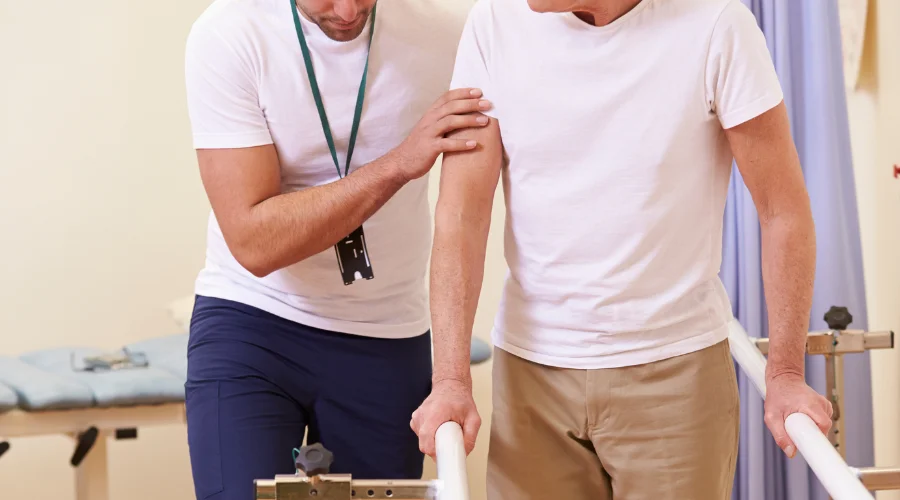
Physiotherapy restores your ability to move. The therapeutic process helps patients to strengthen their weak muscles while they develop their coordination skills and regain their balance abilities. The program will help you practice sitting, standing, walking, and moving from your bed to chair.
Physical therapy in neurological rehabilitation involves performing repeated movements which enable your brain to create new neural connections.
The treatment plan would include gait training and exercises which help prevent contractures along with methods to reduce spasticity. The goal is independent, safe movement.
2. Occupational Therapy for Daily Activities
Occupational therapists assist patients to achieve self-sufficiency when performing their regular daily activities. The program delivers compensatory strategies which help patients perform daily tasks including dressing, bathing, cooking, and household activities.
The patient will be taught one-handed techniques when one arm strength remains insufficient. The assessment of your home environment leads them to suggest grab bar installation and toilet seat elevation as necessary modifications.
The therapy program bridges the gap between clinical recovery to your ability to perform daily activities in the real world, which enables your return to regular activities.
3. Speech and Swallowing Therapy for Communication and Nutrition
Stroke patients commonly develop problems with their ability to communicate through language and their capacity to swallow. Speech therapists work with patients who have aphasia which causes speaking and understanding difficulties.
They also treat dysarthria which results in slurred speech and dysphagia which affects swallowing abilities. The program employs brain exercises for stroke recovery which help stroke patients recover their language abilities through activities that include naming drills, reading practice, and conversational exercises. The treatment plan also includes teaching patients about proper eating safely and diet modifications.
4. Neuropsychological Support for Memory, Behaviour, and Emotional Health
Stroke patients commonly experience cognitive and emotional changes, but these changes are often less discussed. Neuropsychologists conduct evaluations to assess memory, attention, executive function, and mood. The program teaches effective methods to handle the feelings of frustration, depression, and anxiety.
Cognitive rehabilitation exercises enable patients to strengthen their mental capabilities. Behavioral therapy serves as a treatment approach to help patients manage their personality changes and impulsive behaviours.
Your emotional health determines your ability to follow other treatment plans, so this support stands as your essential need for complete recovery.
Integrated neuro-rehabilitation units unite all these specialists together to provide you with coordinated medical care.
The treatment process takes place in one location where you can receive all necessary care without needing to visit different sites. Therapists maintain daily communications about your treatment progress as well.

Consistency, Family Involvement, and Advanced Therapies
The process of recovery needs sustained effort even after the scheduled therapy appointments. Here’s how to maximize your progress:
Regular Therapy Sessions
Your brain requires the repeated sessions of therapy to establish new connections through its rewiring process.
Missing appointments slows recovery. The process of regular practice will produce progressive results which become noticeable during the span of weeks and months.
Caregiver Involvement
The therapy process continues through regular activities because caregivers take part in the treatment program on a daily basis.
The exercises you learn in sessions become easier to practice at home when family members who received training can help you with your practice. Their emotional support also boosts motivation during difficult moments.
Technology-assisted Rehabilitation
The rehabilitation process for patients now includes access to new treatment methods through technology-based rehabilitation programs. The robotic therapy devices let patients do repetitive movement exercises.
The application of electrical stimulation helps to stimulate muscles which have become weak. Virtual reality rehab tools let users do exercises which are both engaging and help track their progress. The new stroke rehabilitation techniques operate as an additional treatment approach which supports the existing traditional therapy.
Personalized Rehab Plans
The rehabilitation program adapts as you notice improvements. Your team will adjust your goals, increase challenge levels and introduce new activities through performance-based modifications.
The best chances to recover from stroke quickly is possible when hospitals provide patients with advanced rehabilitation technology, caregiver training, and individualized treatment plans which help them achieve quick recovery and substantial functional improvement.
Choosing the Right Rehabilitation Center for Stroke Recovery
The selection of an appropriate rehabilitation facility represents a vital choice which stroke patients need to make to reach their highest potential for recovery.
The recovery process spans several months and years while patients require ongoing professional guidance throughout their recovery journey.
The recommended approach for best results includes early intervention alongside multidisciplinary care, family involvement, and advanced therapies, which should be implemented in an integrated healthcare environment.
A super speciality hospital with dedicated neurology and rehabilitation medicine departments enables patients to achieve better results. Advanced medical treatments need modern infrastructure systems to function properly, which a super speciality hospital has.
Experienced teams are equipped to detect even minor treatment improvements which they assess to make treatment modifications. The comprehensive care at the hospital helps to heal physical health while it supports mental health, emotional stability, and cognitive abilities too.
Big Apollo Spectra Hospital in Bihar operates as an advance neuro hospital in Patna which provides stroke survivors with complete aftercare and rehabilitation services under one roof. The neurology team works together with rehabilitation specialists and support staff to achieve better recovery outcomes and improved quality of life for you.
Your recovery matters. Choose expertise together with complete medical care to achieve the goal of recovering your independence and mobility.