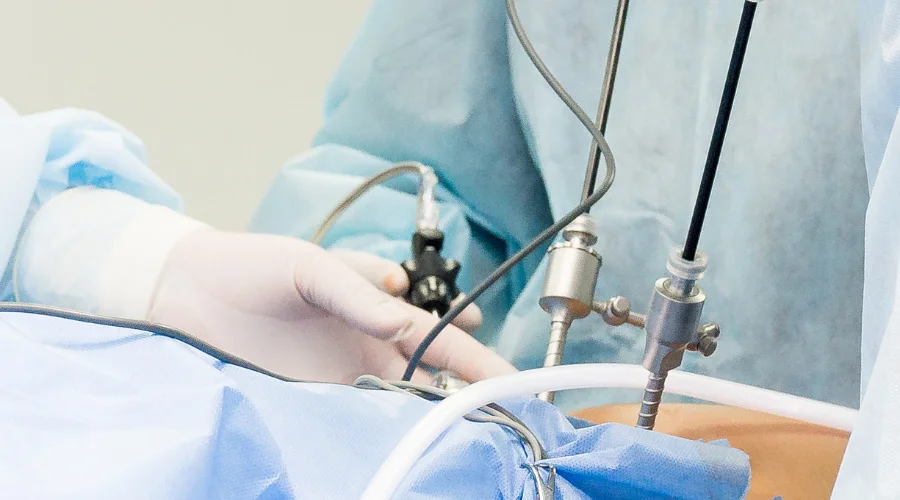
Laparoscopic surgery (also called Keyhole surgery) is a surgery technique that is performed with the help of a laparoscope. The surgeon makes small incisions in the abdomen.
A laparoscope (a very thin fibre-optic camera) is then inserted through one of the incisions and the surgeon can see the internal organs on a monitor. Since it is generally less painful than the open surgery method, it results in a faster recovery.
For instance, surgeries like the removal of the gallbladder, the appendix, laparoscopic hernia surgery, and various gynaecological procedures like fibroids and ovarian cyst removal are done by laparoscopy.
On the other hand, just like any other surgery, there are precautions to take so as to not come across potential problems. Pre-laparoscopy preparations should start, with the most crucial thing being to strictly adhere to your surgeon’s instructions.
On this basis, there are numerous things that you can do to prepare yourself for a quicker recovery, lower the chances of complications and maintain your calm and self-confidence throughout the whole process.
Therefore, once your understanding of the surgery is thorough, the next move is to learn how to prepare your body for laparoscopic surgery specifically. Step by step here we go through the stages so that you can be totally ready.
How to Prepare for a Laparoscopic Surgery?
You and the surgeon will discuss many issues well before the day surgery is performed. In fact, you should clear your doubts around the surgery during the initial appointments itself.
Some of the questions you may want to ask your surgeon about include:
- what should I do before laparoscopic surgery,
- how long is the laparoscopic surgery time,
- what are the possible laparoscopic surgery side effects,
- what are the long-term side effects of laparoscopic surgery, if any.
The surgeon will explain the surgical technique to you and discuss your past medical problems and options available to you so that together you can develop a surgical plan that best fits your needs.
Not to mention, as one of the leading hospitals in Patna, we are amongst the top-ranking healthcare facilities if you’re looking for the best laparoscopic surgeon in Patna.
Our surgeons are well versed with modern surgical methods and are skilled in performing the latest laparoscopic surgical techniques.
With the use of the latest advancements in surgical methods, our team ensures the best possible care and treatment pre and post surgery. The use of the latest laparoscopic techniques keeps procedures safe, precise, and recovery-friendly.
The surgical team makes sure that all your queries and doubts are clarified regarding your upcoming surgery. Here are the essential steps explained:
1. Pre-Surgery Tests
Your surgeon will request a number of investigations. These investigations are performed prior to your surgery and are used to assess your fitness for anaesthetic and surgery.
They are also part of your general health screening and are used to look for signs of infection, anemia, and clotting issues, as well as check for heart disease with an ECG.
Your urine will also be tested looking for signs of infection and kidney problems. Depending on the surgery you are having, your doctor may also request an ultrasound or CT scan prior to surgery. This helps understand the best surgical approach for your specific case.
2. Medicines to Review Before Surgery
Please inform your surgeon about all of your current medications prior to surgery. Most blood thinners (aspirin, warfarin, etc.) are paused prior to surgery in order to decrease the risk of bleeding.
Diabetic medications dosage need to be reviewed prior to surgery since you will be fasting. Most blood pressure medications may be taken the morning of surgery with a small amount of liquid.
However, almost all dietary supplements and herbal products need to be stopped 2 weeks prior to surgery as many of these products have potential interactions with anesthesia as well as the risk of increased surgical bleeding.
3. Smoking and Alcohol Cessation
Smoking increases the risk of postoperative wound complications and delays wound healing. So, if you smoke, stop at least 4 weeks before the actual surgery and follow what the surgeon advises. Laparoscopy stitches healing time is also better in non-smokers.
Also note that smokers can expect to take longer to recover from laparoscopy (keyhole surgery) compared to non-smokers and both alcohol and cigarettes are best avoided before major surgery as they can change how your body responds to anaesthesia and cause slow recovery from the procedure.
Patients may be referred to a local cessation programme by their surgeon if necessary. Moreover, patients should avoid drinking alcohol for at least 48 hours prior to their operation, but this should ideally be for as long a period as possible before coming into hospital.
You will be instructed not to eat or drink any thing after midnight the night prior to your surgery. This is to decrease your risk of aspiration and is to prevent stomach contents entering the lungs during anaesthesia.
For certain surgeries of the abdomen, additional bowel preparation may be required to clear the intestines. This may include laxatives or enemas the day prior to surgery. Please follow any specific instructions provided by your surgeon.
While preparing for treatment is a major part of the process, you may also want to prepare yourself and your home for the experience ahead.
Practical and Emotional Preparation at Home
It’s helpful to have organised your home for surgery. Having thought about how you will manage in the days after surgery and make some things easier for yourself by preparing in advance can help to reduce stress and aid recovery.
Many patients also have questions about how many days rest they will need after laparoscopic surgery. This will depend on the procedure you are having and your individual recovery. However, making a few adjustments to your home before you come into the hospital will be helpful.
1. Arrange These Before Leaving for the Hospital
Ensure that you can make arrangements for commuting back to your home following surgery as driving will be difficult for you after anaesthesia. Best case scenario is you ask someone in your family to drive you back home.
Comfortable loose fitting clothing is a good idea to bring to the hospital. Bring clothing that makes you feel comfortable. Even though you will be less conscious, tight waistbands will be uncomfortable to wear over the surgical site. Bring a copy of recent x-rays and scans and current lab reports.
Also, have a record of your current medications with dosages, names and contact information of your primary care physician and any other physicians involved in your care.
Bring copies of both sides of your insurance card and a photo ID. Bring any current prescription medications and necessary equipment with you on the day of surgery packed in a small bag.
2. Prepare Your Home in Advance
Food – Stock simple to cook foods and some ready to eat foods, such as soups, porridge and soft fruit. Bottled water and medications should be placed within your arm’s reach when you come back to your home after the surgery.
Make sure your recovery room is tidy, warm, and comfortable before you leave for hospital.
As for children and pets, make arrangements for someone to look after them whilst you are in the hospital.
3. Emotional Readiness
Many people experience some degree of anxiety before their surgery. In this case, it can be very helpful to have your questions answered by the surgeon, for example around issues such as timings, recovery time and any early signs of possible complications.
Counselling and breathing techniques can also be extremely helpful in managing anxiety. It is also important that your family is aware of your planned surgery and that you have an honest conversation about them getting involved in your pre operative and post operative recovery.
We recommend you bring slip-on slippers to wear in the hospital, ID Proof, copy of medical reports and a phone charger. Please bring a change of clothes to wear at the time of discharge from hospital. However, please keep the bag as light as possible and only pack what’s necessary.
Now, with your home organised and your documents sorted, you’ll see how all these things will come together on the day of your surgery.
What to Expect on the Day of Surgery and Recovery?
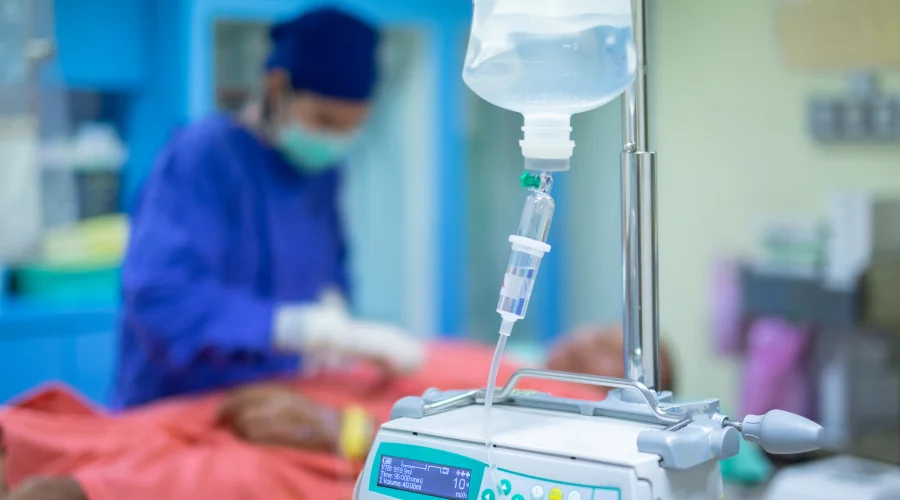
You are advised to arrive at the hospital a few hours prior to the time of your surgery. You will be assessed by the nursing staff on arrival and will have your vital signs monitored; your paperwork will be looked at and the nursing staff will set up an IV line.
Post surgery, patients generally have some discomfort at the incision site, some bloating, and shoulder pain due to the carbon dioxide gas used in surgery to inflate the abdomen. This pain typically disappears within a day or two.
All surgical patients need to rest and recover at home and follow their surgeon’s instructions including wound care and restriction of activities. Although recovery is faster than with an open surgical approach, it can take a few days to be fully active and get back to your usual routine.
PEOPLE ALSO READ: Is Laparoscopic Surgery for Hernia Safe?
Plan Your Laparoscopic Surgery with Confidence Today
Remember that pre-surgical preparation and post-operative recovery are as important as the surgery itself.
At Big Apollo Spectra Hospital, we recognize this and provide the best surgical care in Bihar by employing the most advanced technology in laparoscopy and the best team of surgeons who are always available to listen and discuss concerns with you.
Also, before the surgery itself, we clearly inform our patients regarding the cost and procedure details of the laparoscopic surgery so that there are no surprises for them at the time of surgery. This is one of the reasons why you should always select a good surgical team who keeps you informed throughout the process.
Getting laparoscopic surgery done is often less scary than you might think and with full preparation before the day of your surgery, you can expect to recover faster and without complications.